Useful fitness answers, without the noise.
Evidence-minded guides for people who care more about visible progress than another number on the scale.

Reading about progress is useful. Seeing yours is better.
Turn one gym photo into body-fat, FFMI, and muscle-group trends, then keep the signal going with consistent check-ins.
4.9 ★ from 35 ratings · 5,000 lifters · Private by design
Latest articles
Practical guidance on body composition, progress photos, training, and the work behind GainFrame.
Showing 61–90 of 274 posts
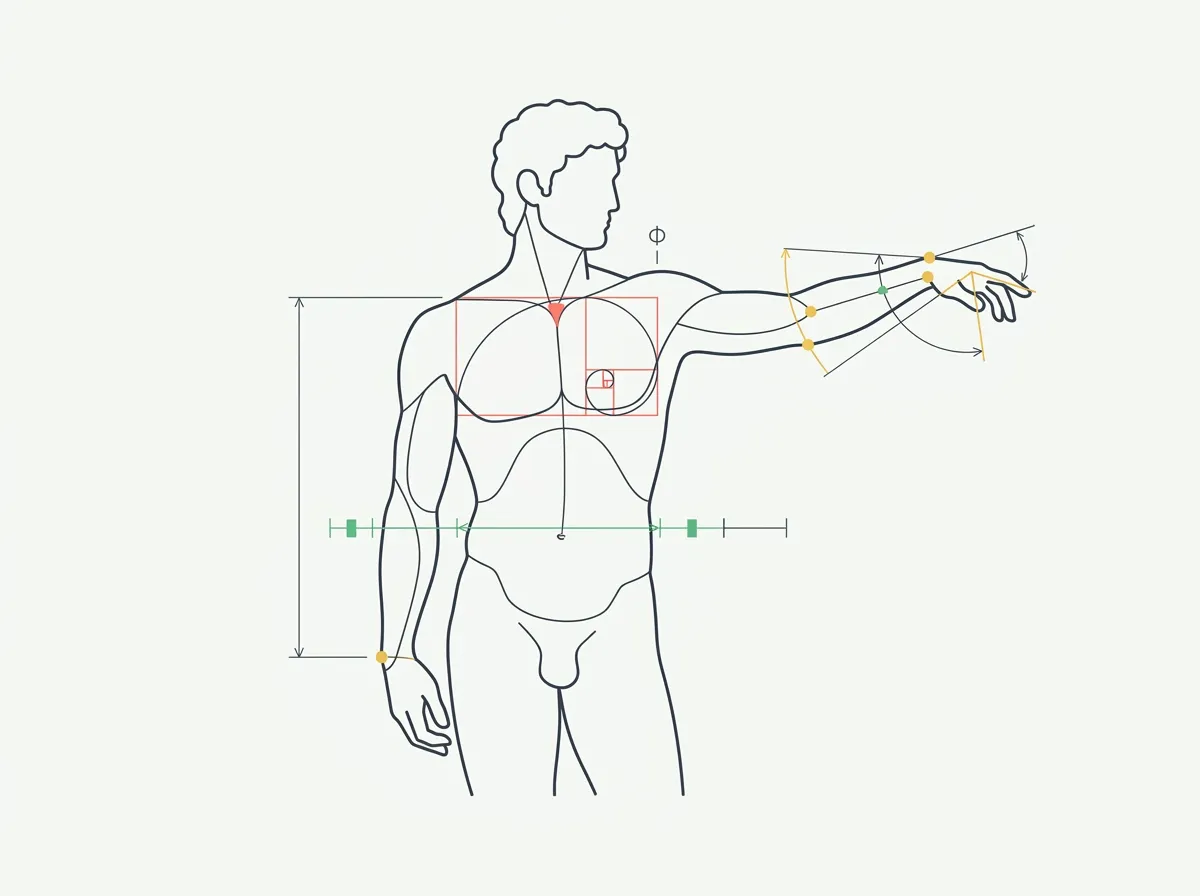
Ideal Body Measurements for Men: The Classic Proportions Chart
The old-school proportion system scales every measurement off your wrist, chest 6.5 times, arms 2.5 times, waist at 70-75% of chest. Here's the worked chart for real wrist sizes, why lean matters more than big, and how to find the one ratio holding your physique back.
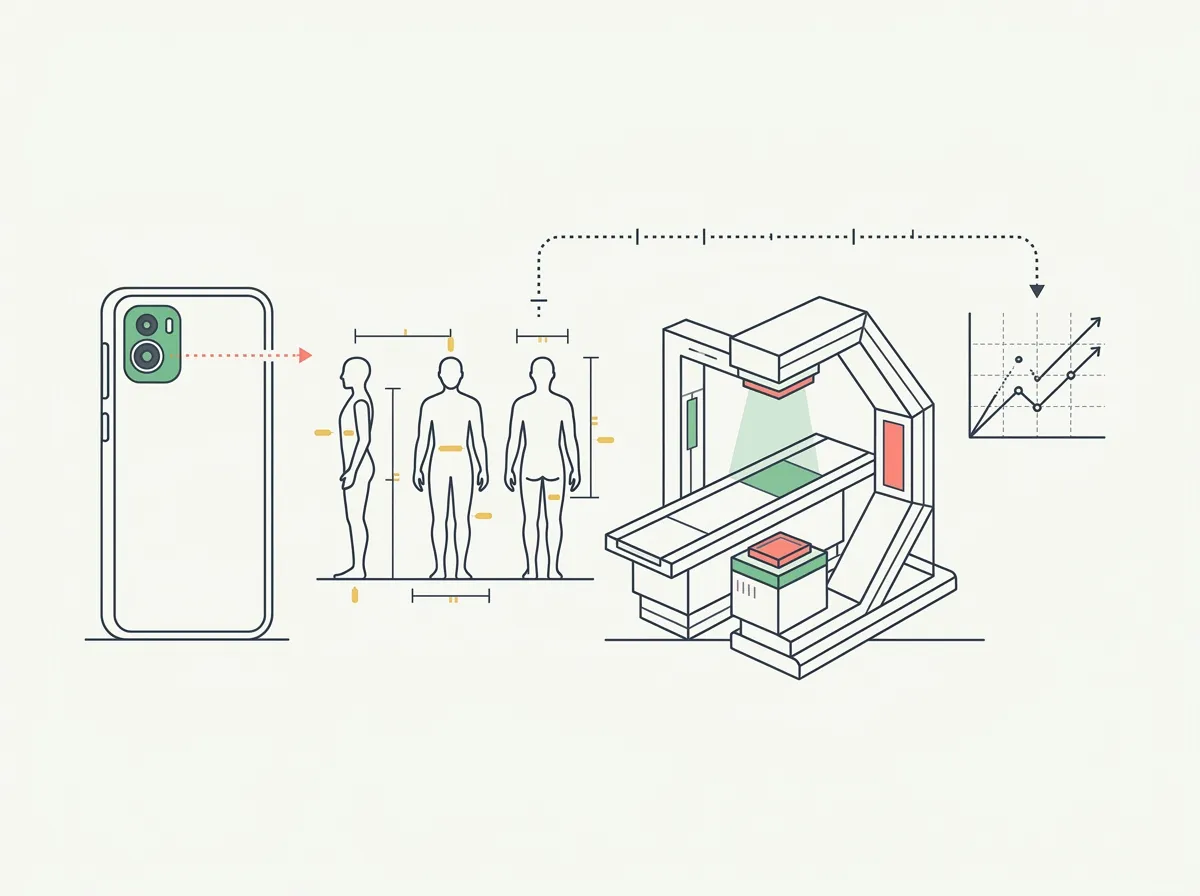
AI Body Fat Estimator Accuracy: We Tested GainFrame Against 36 DEXA Results
We stripped the labels from 36 clean physique photos, ran every image three times, and compared the estimates with DEXA. The result is our strongest evidence yet.
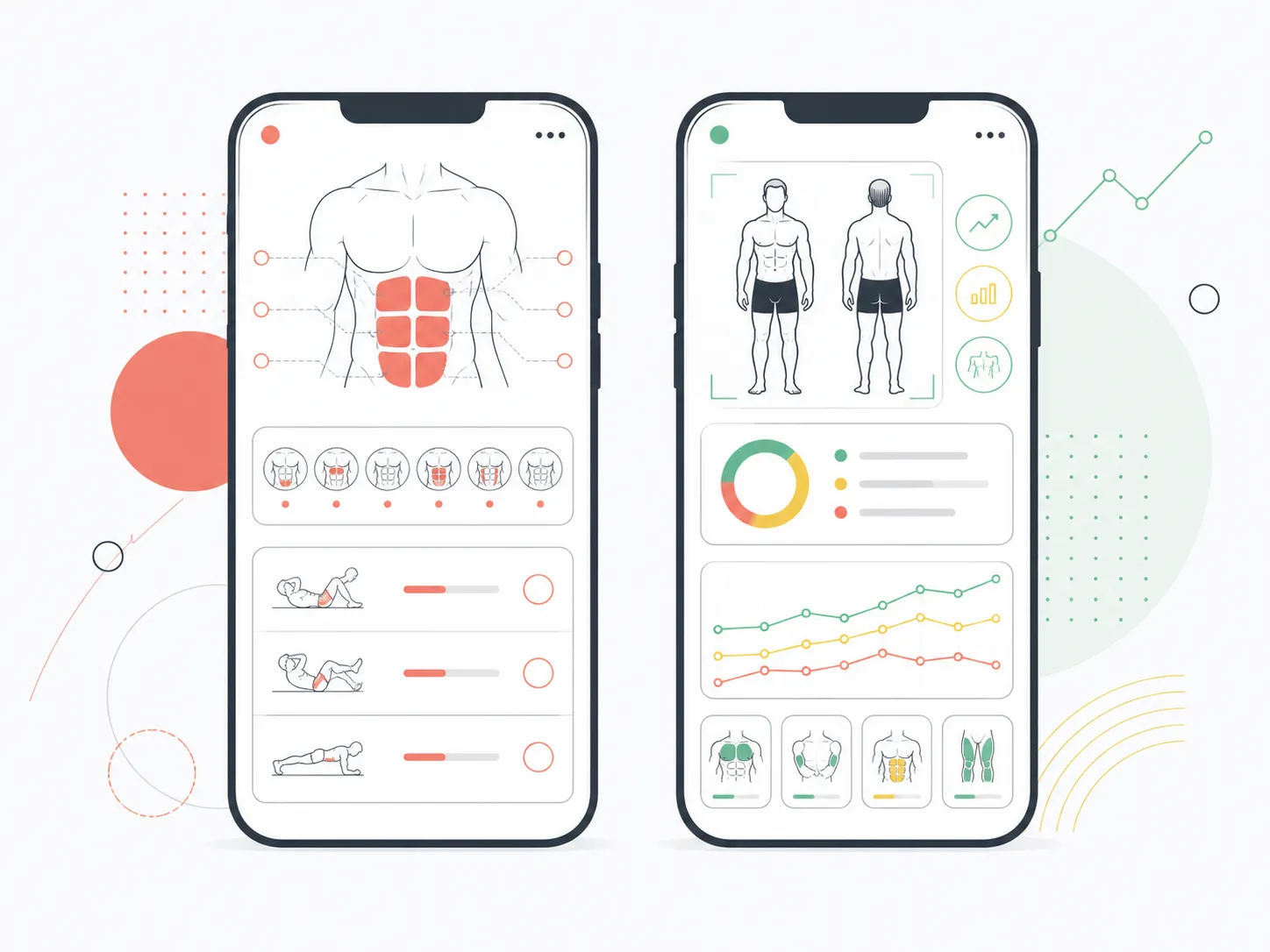
AbsMaxx vs GainFrame: Which Fitness App Fits Your Goal?
Both apps analyze physique photos and both now log food. The useful difference is what happens after the scan: a dedicated abs plan or a full-body progress system.

Free Tools Helped Add $920 MRR in 31 Days
The first $1,000 took 126 days. The next $920 took 31 as free-tool clicks grew 827%, organic tool sessions grew 868%, and I improved the pages already getting found.
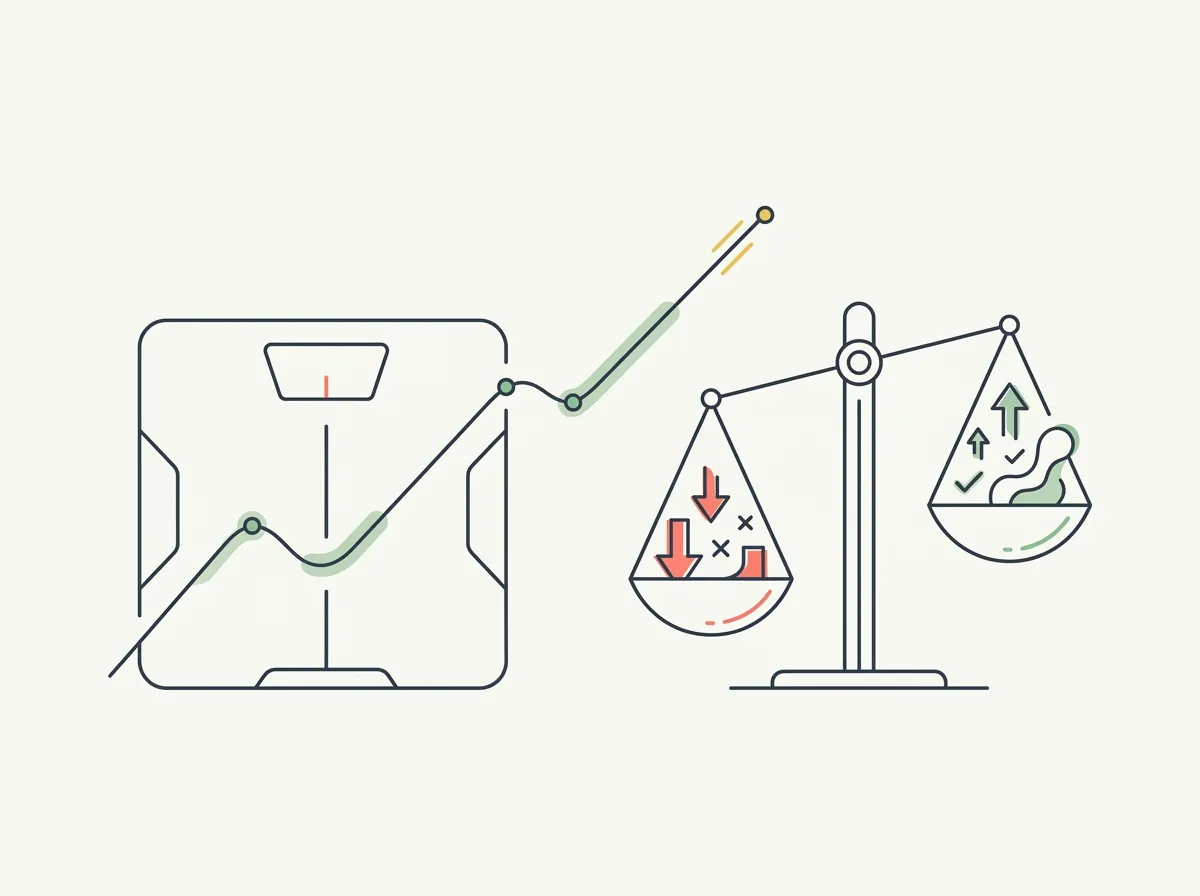
Are Smart Scales Worth It? What Lifters Actually Get From One
The strongest case for a smart scale has nothing to do with body fat percentage. It is the weigh-in you never have to log. Here are the pros that hold up, the cons the box does not mention, and the setups where a $30 scale earns its spot.
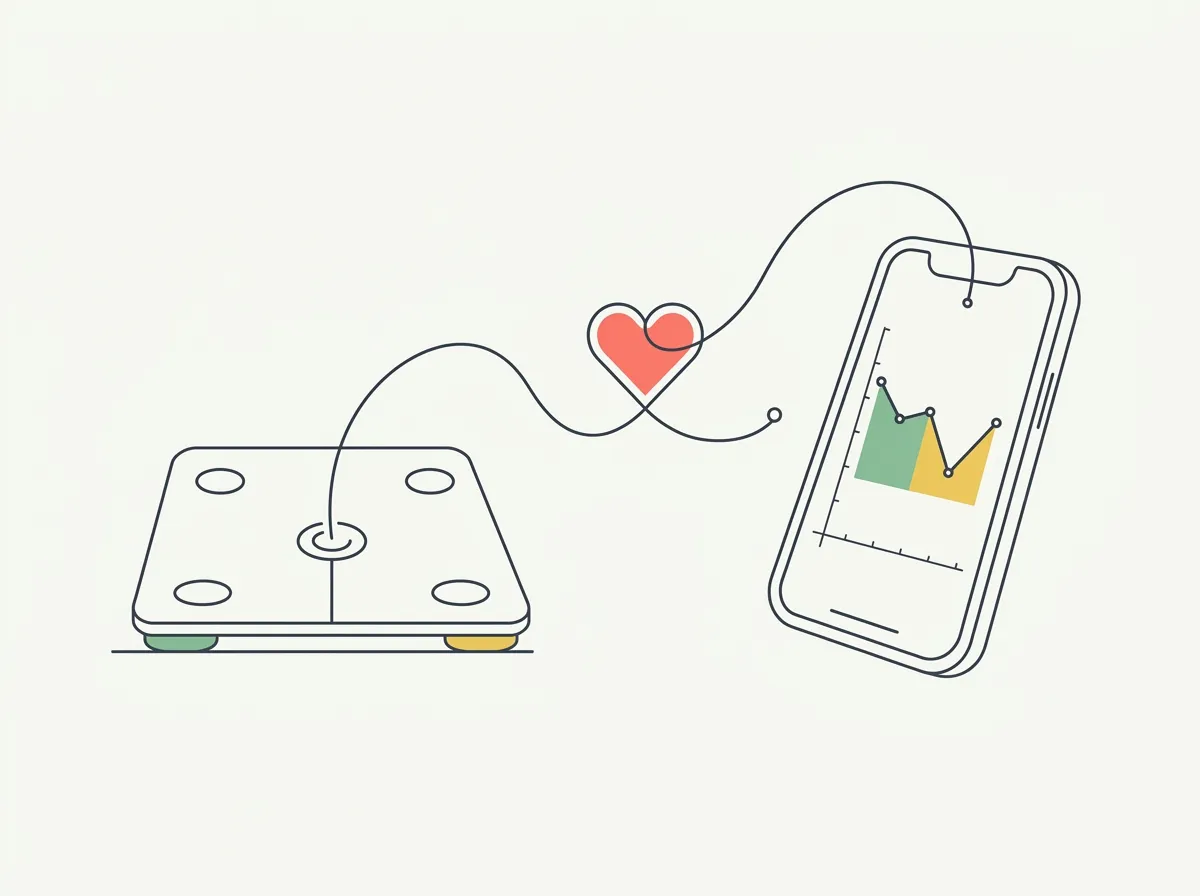
Best Smart Scales That Sync With Apple Health (2026)
Every scale here gets your weight into Apple Health. The differences that matter are whether the sync needs your phone in hand, which metrics actually get written, and what the reviews say about the companion app you will live in. Ranked honestly, with the post-sync workflow nobody else covers.
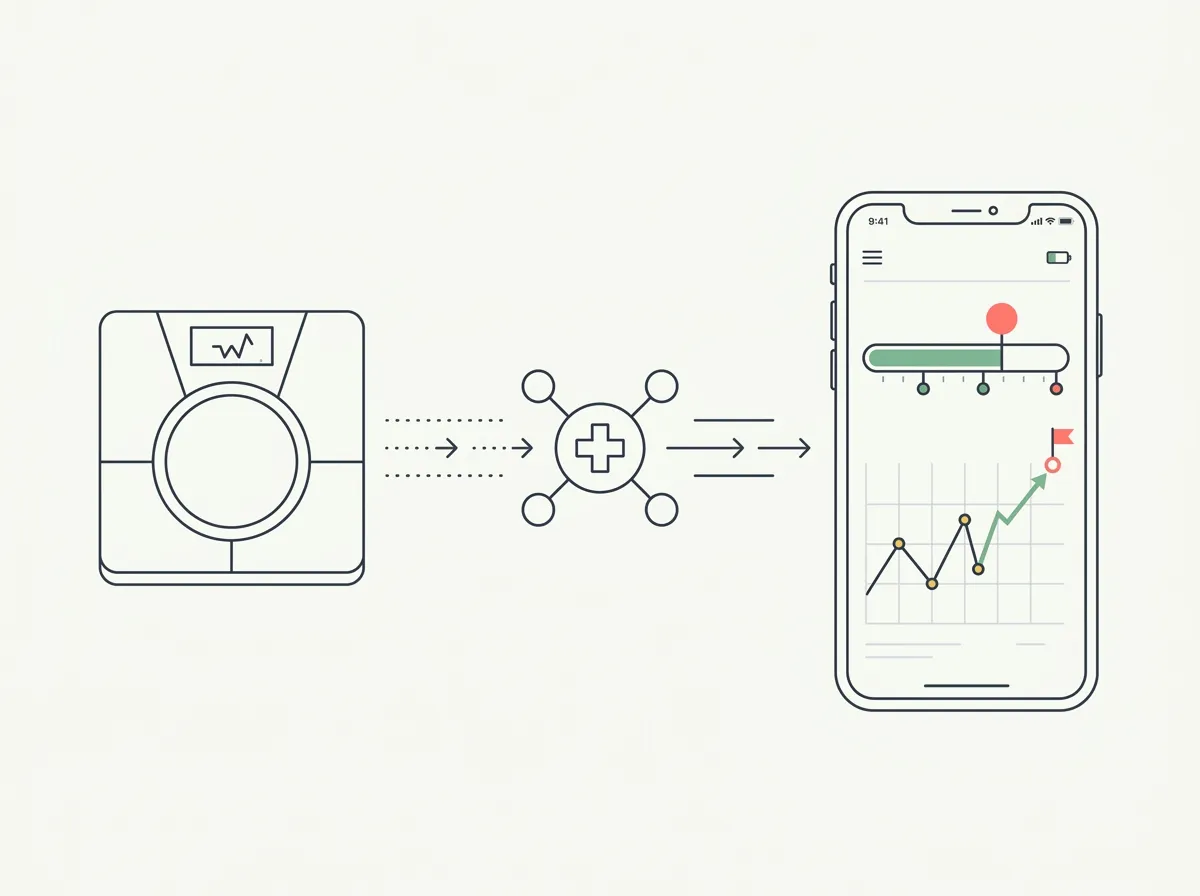
How to Sync Your RENPHO Scale With GainFrame via Apple Health
GainFrame now reads your RENPHO scale's weight, body fat, and lean mass through Apple Health. Here is the full setup chain, what data flows where, and how to fix the sync when a reading goes missing.
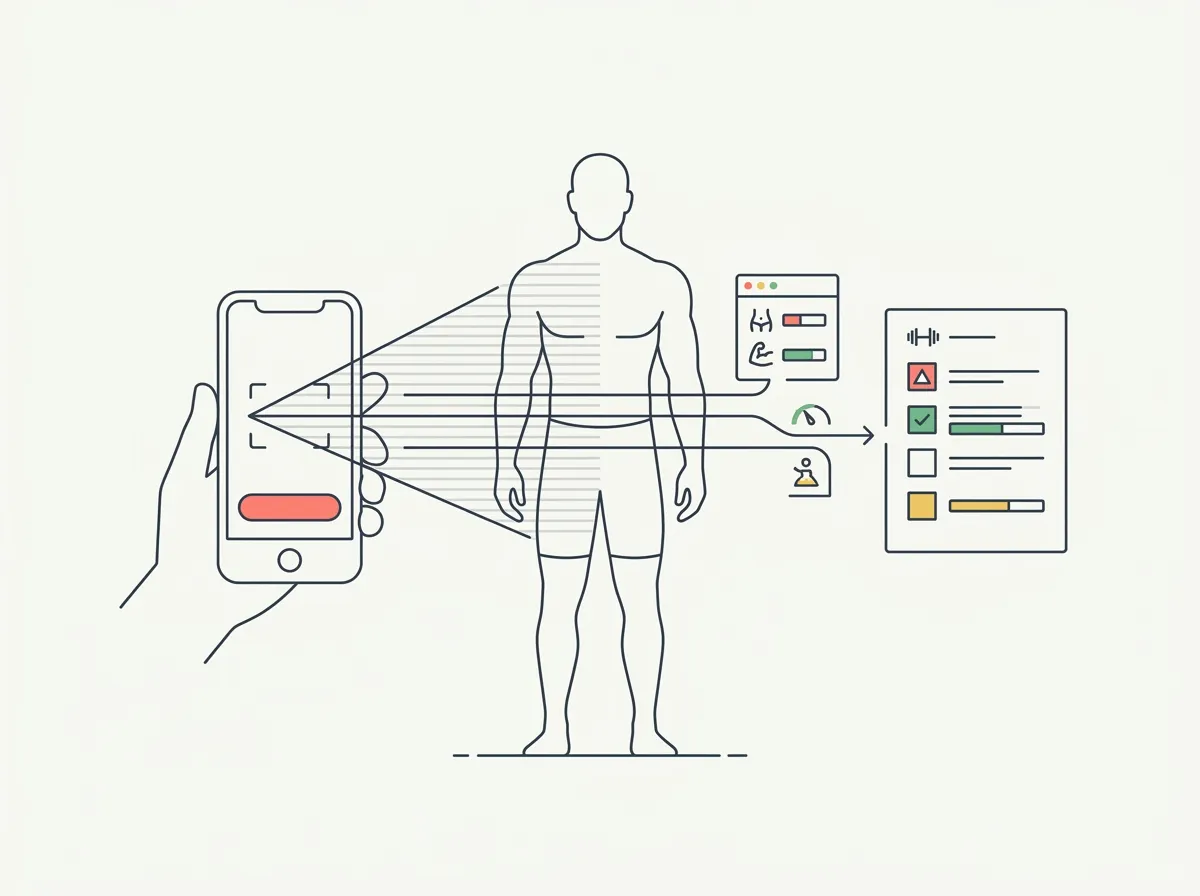
Thelo App Review (2026): The Body-Scan AI Trainer, Tested
Thelo scans your body with the phone camera and feeds the result into a workout plan that adapts as you change. Here's an honest review: what it does well, what it costs, and where it's thin.
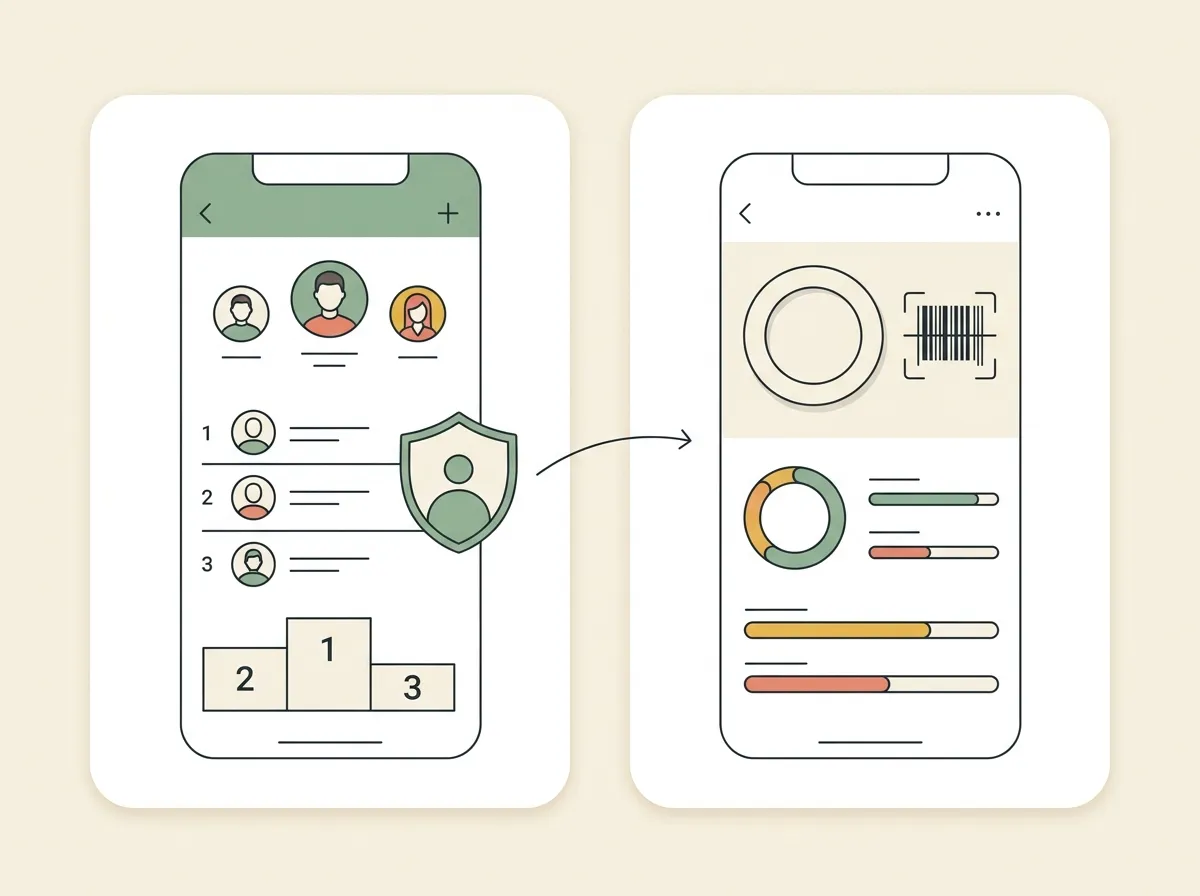
The GainFrame Leaderboard Is Live. Nutrition Tracking Is Next.
A privacy-first place to compare GainFrame Scores is available today. Next, we are closing the loop between seeing your progress and managing the nutrition behind it.
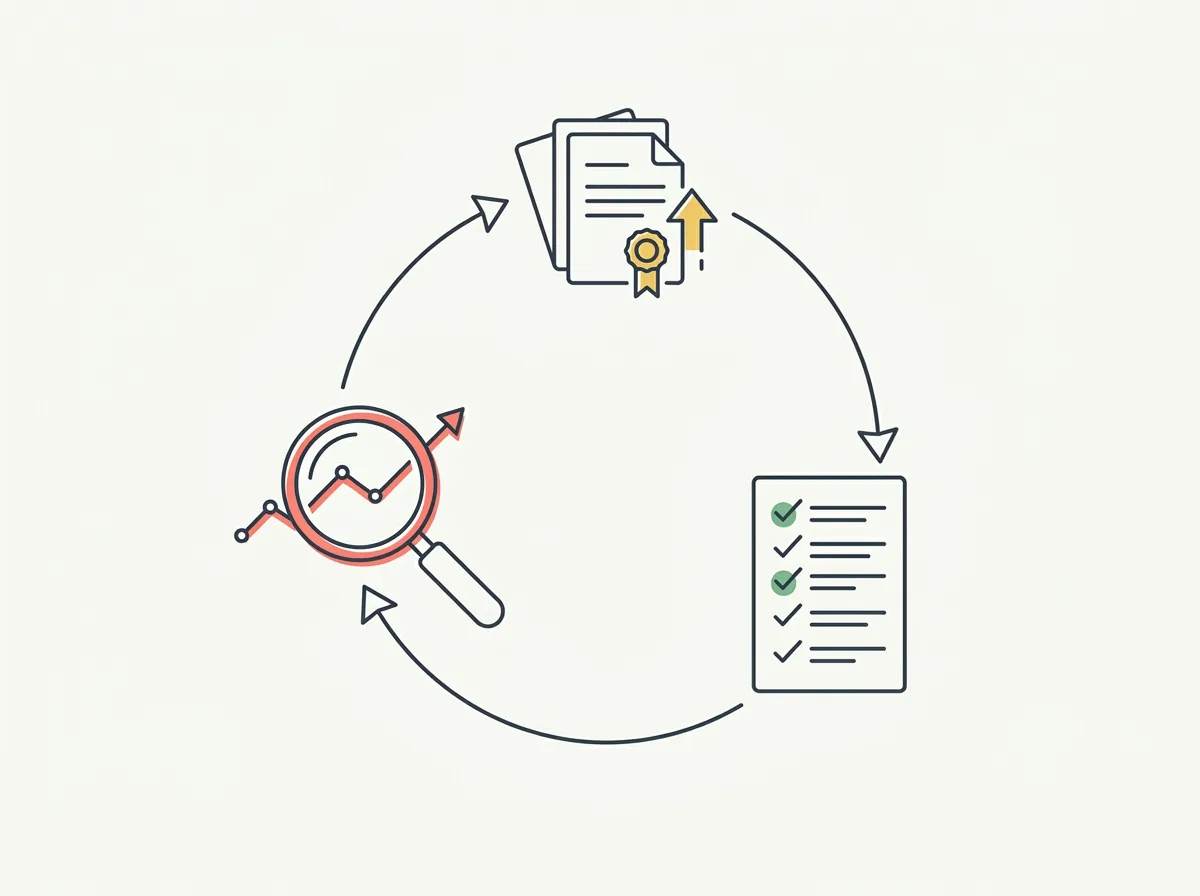
My SEO Is a Weekly Audit Loop Now. Organic Clicks Tripled in a Month.
Real Search Console and DataForSEO numbers on the measure, propose, approve, ship loop that took my iOS app from 2,153 to 7,205 organic clicks a month.
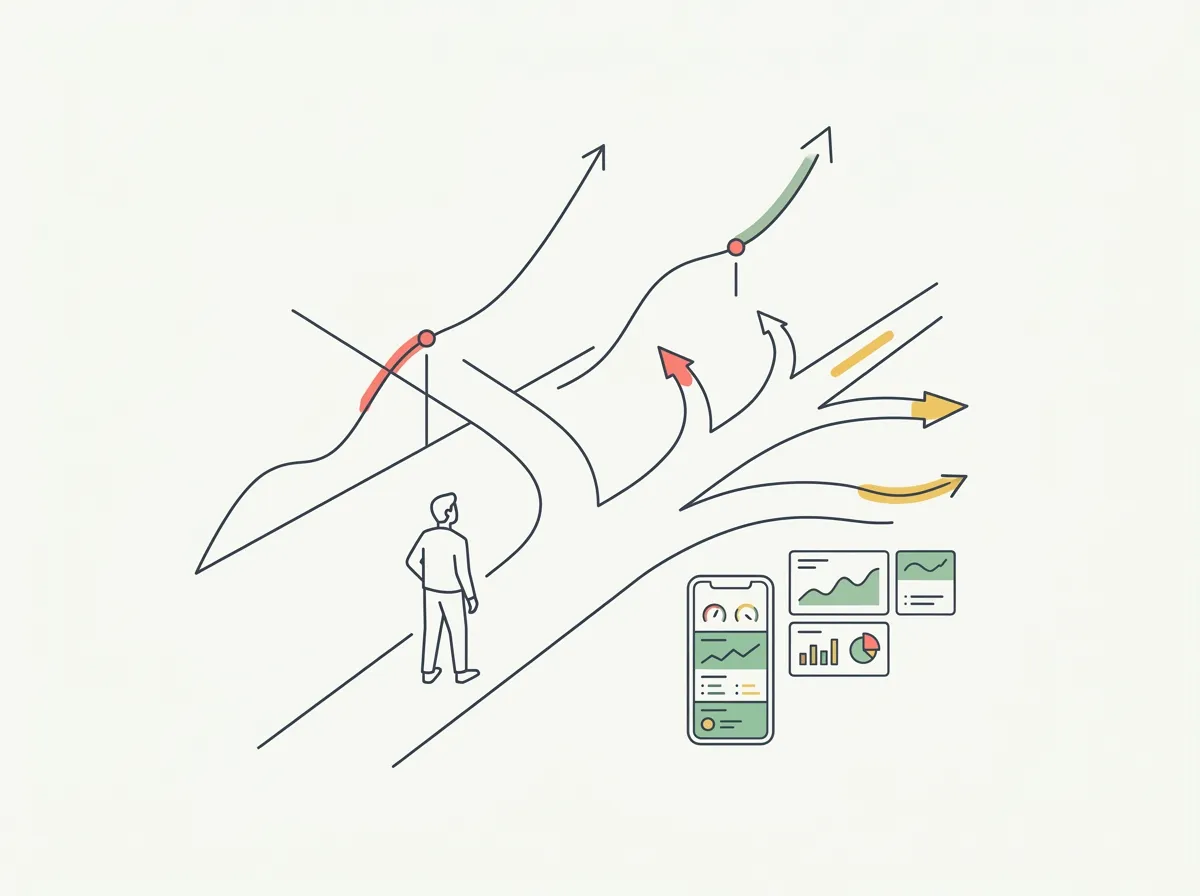
I Thought $1,500 MRR Meant I’d Figured It Out. It Just Gave Me Better Problems.
GainFrame is at $1,536 MRR and $9,423 in cumulative revenue. I expected that traction to make the product obvious. Instead, it made the unanswered questions more expensive.
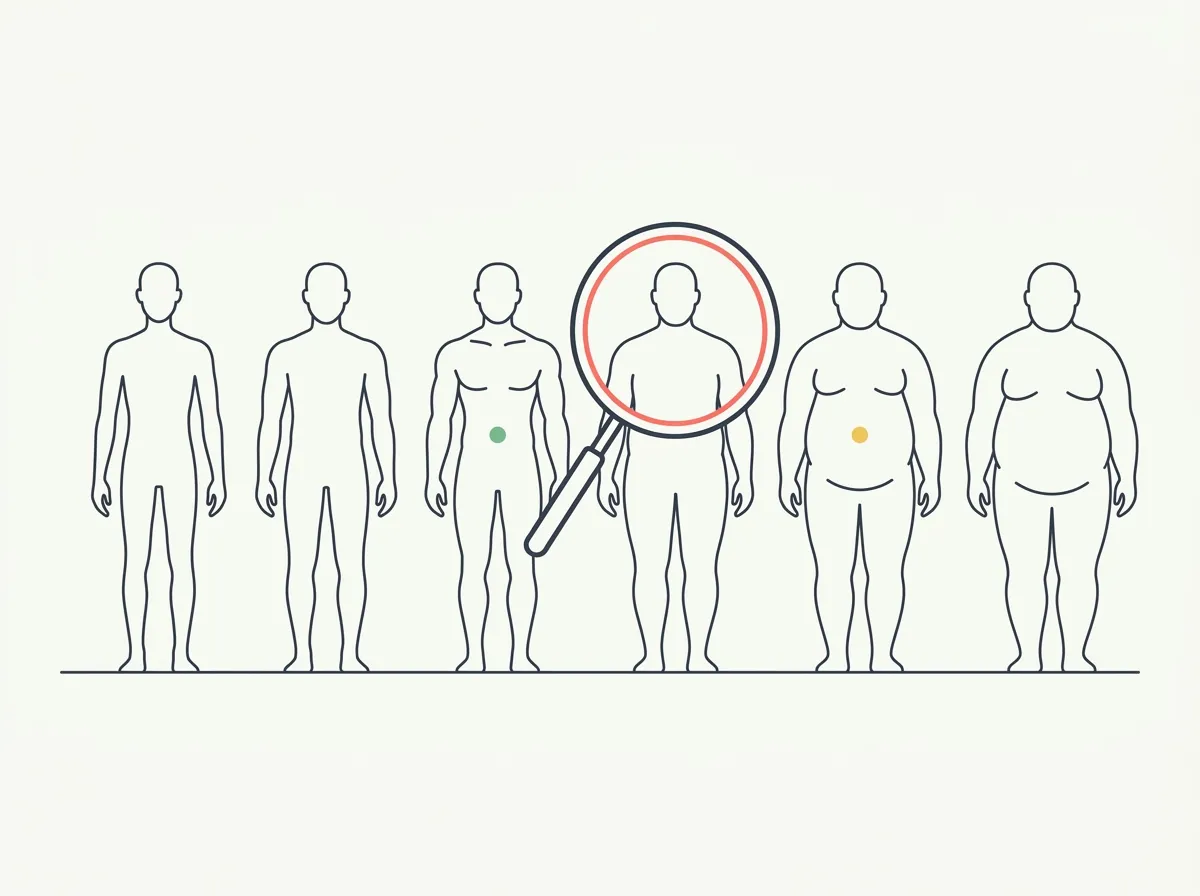
Body Composition Pictures: Real Examples at Every Level
Comparing yourself to strangers fails because everything about them differs from you. These pictures change one variable at a time - which is what makes them usable.
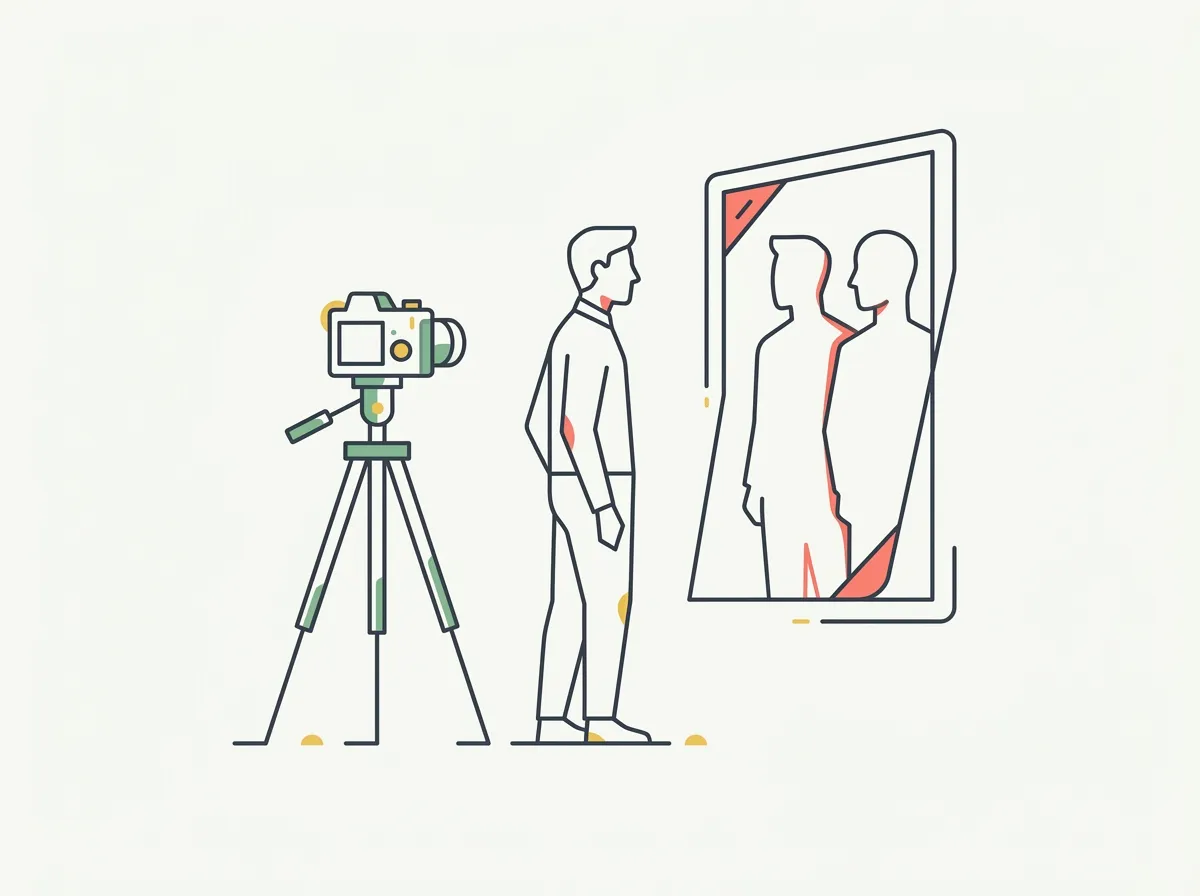
Do I Look Fat? An Honest Way to Actually Check
The mirror says one thing at 8 AM and another at 8 PM. Photos say something else entirely. Here's why the question feels unanswerable, and the repeatable way to actually answer it.
Apps Like GainFrame: Honest Alternatives (From the Founder)
Someone searching for alternatives to my own app deserves a straight answer rather than a sales page. Five apps that beat GainFrame at something specific, the cases where each one wins, and the narrow band where mine is the right pick.
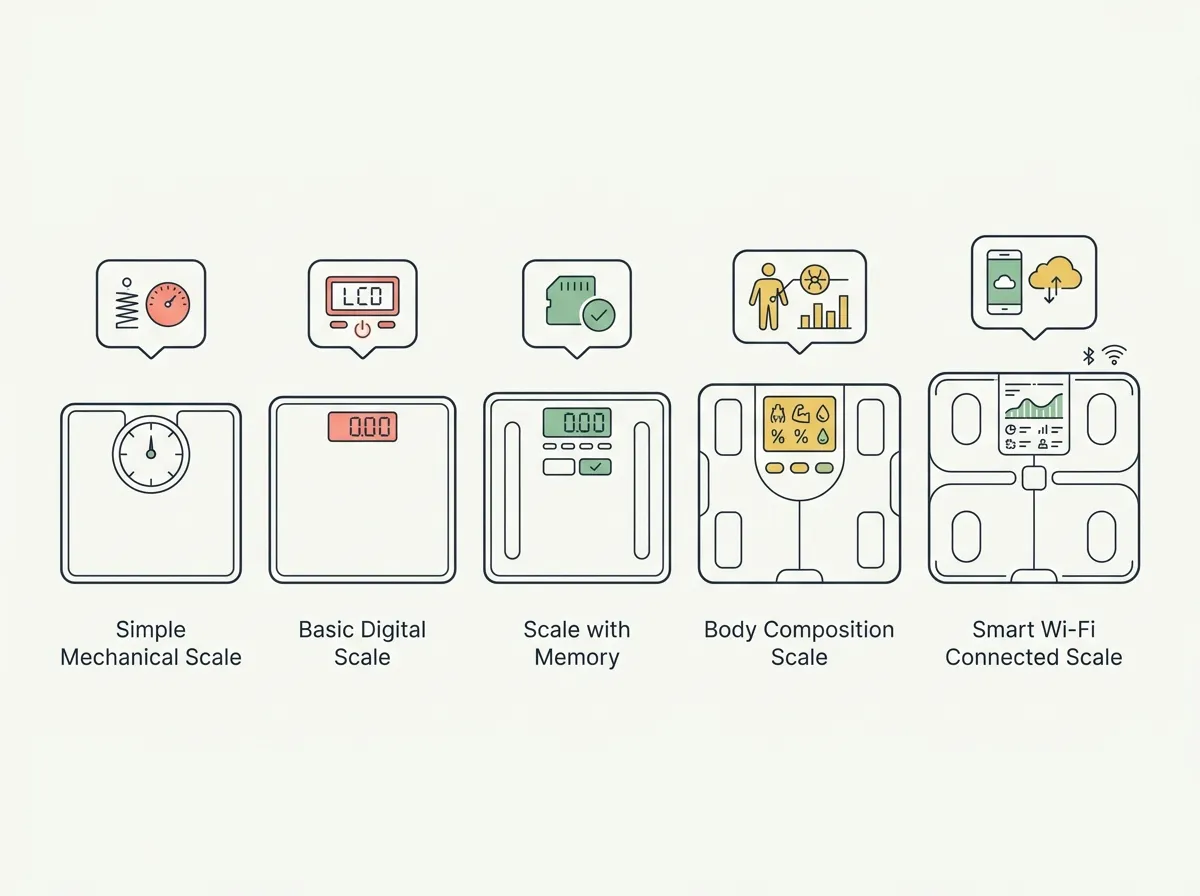
Best Smart Scales for Body Composition in 2026 (6 Ranked)
Every smart scale on this list estimates body fat from the same physics, and the price gap between the cheapest and the priciest is about 15x. Here is what the extra money genuinely buys, tier by tier, and when the honest answer is to skip the scale.
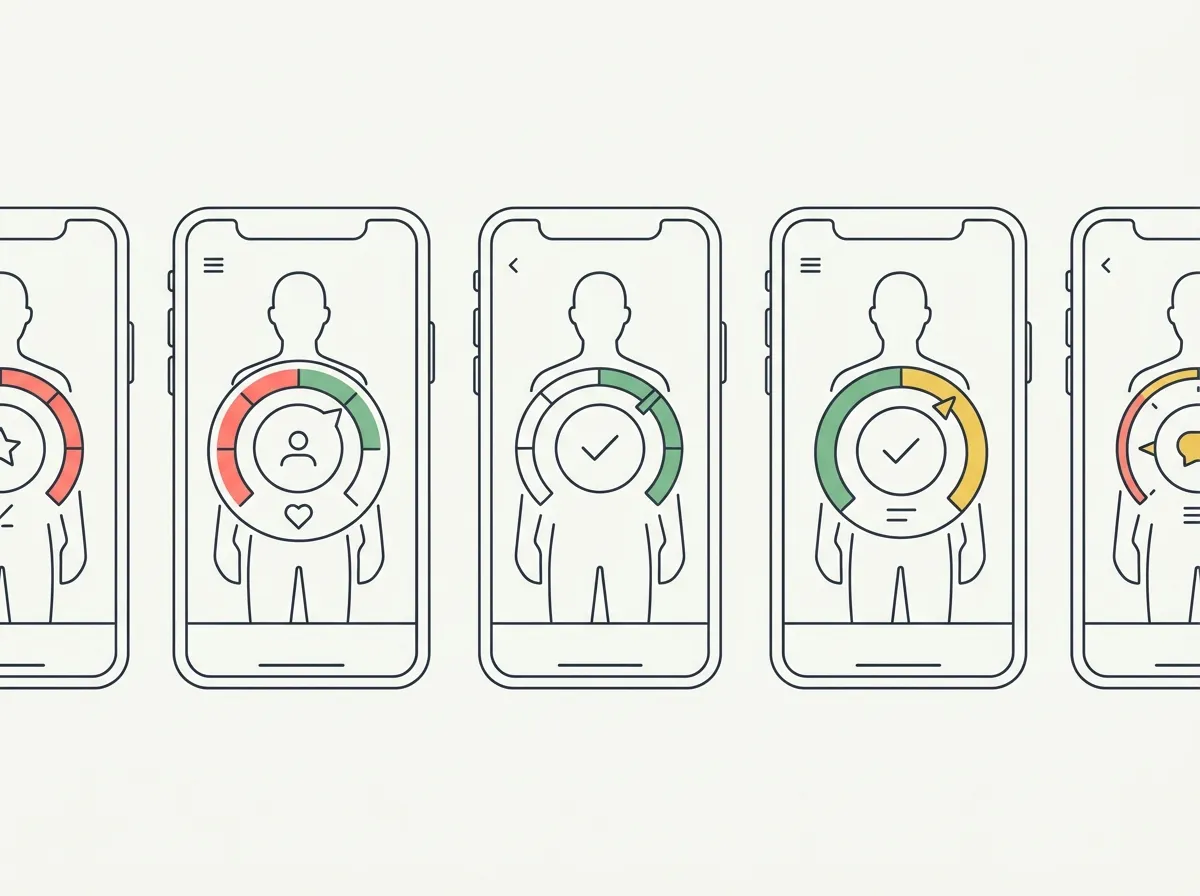
6 Best Body Rating Apps in 2026 (Tested)
Search for an app that rates your body and you get three different product categories in one list — face raters, physique scorers, and body-composition estimators. Here's what each one actually measures, and which scores still mean something next month.
10 Best Fitness Apps for Men in 2026 (By Goal)
Most fitness app lists rank ten apps against each other as if they compete. They don't — they do different jobs. Here are ten apps sorted by the goal you're actually trying to hit, with the honest limits of each.

10 Best Fitness Apps for Women in 2026 (By Goal)
The women's fitness app category is full of 28-day challenges and step counters. Here are ten apps sorted by the goal you're actually training for — strength, visible change, nutrition, cycle awareness, recovery, and home training — with honest limits on each.
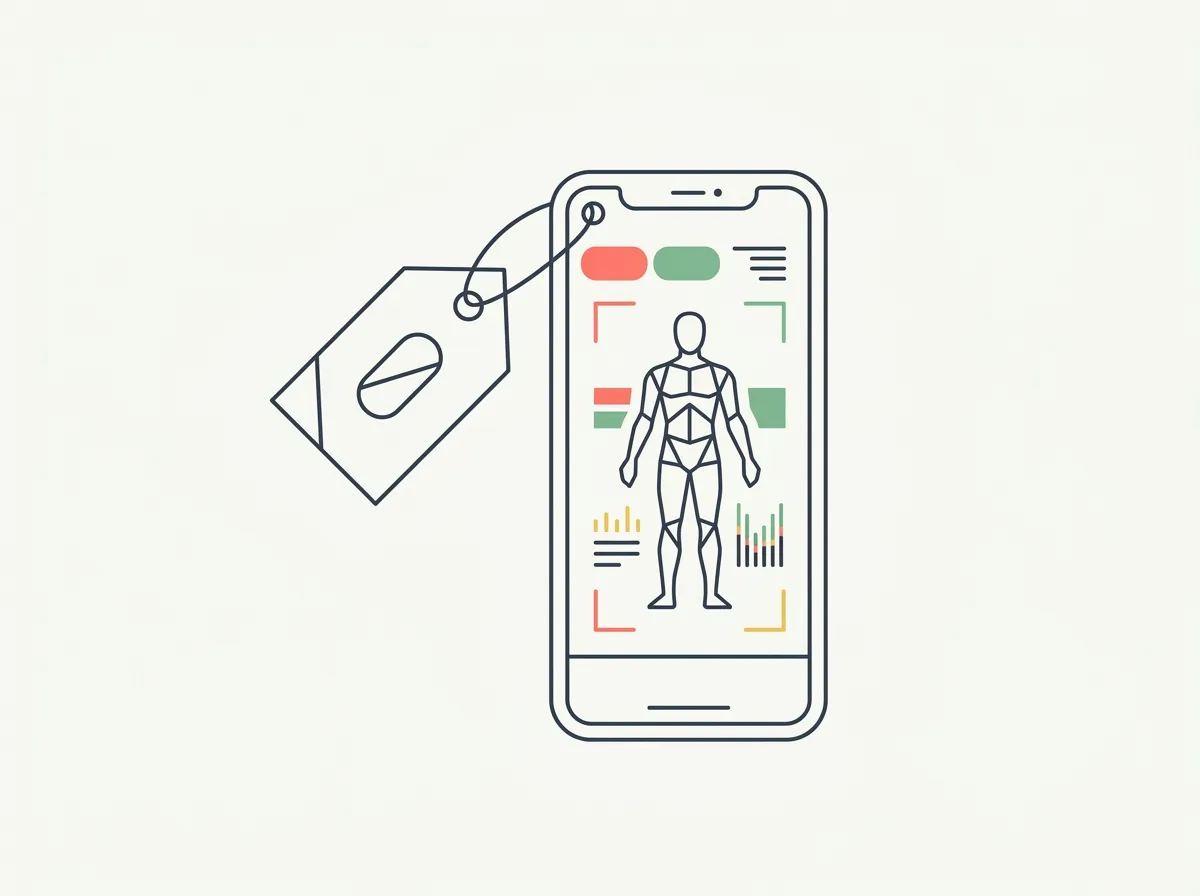
7 Best Free Body Fat Apps in 2026 (Actually Free)
Every app in this category calls itself free. Some mean a hard cap, some mean a three-day trial, some mean ads between you and your result. Here are seven options with the fine print stated up front — including the two that stay free permanently.
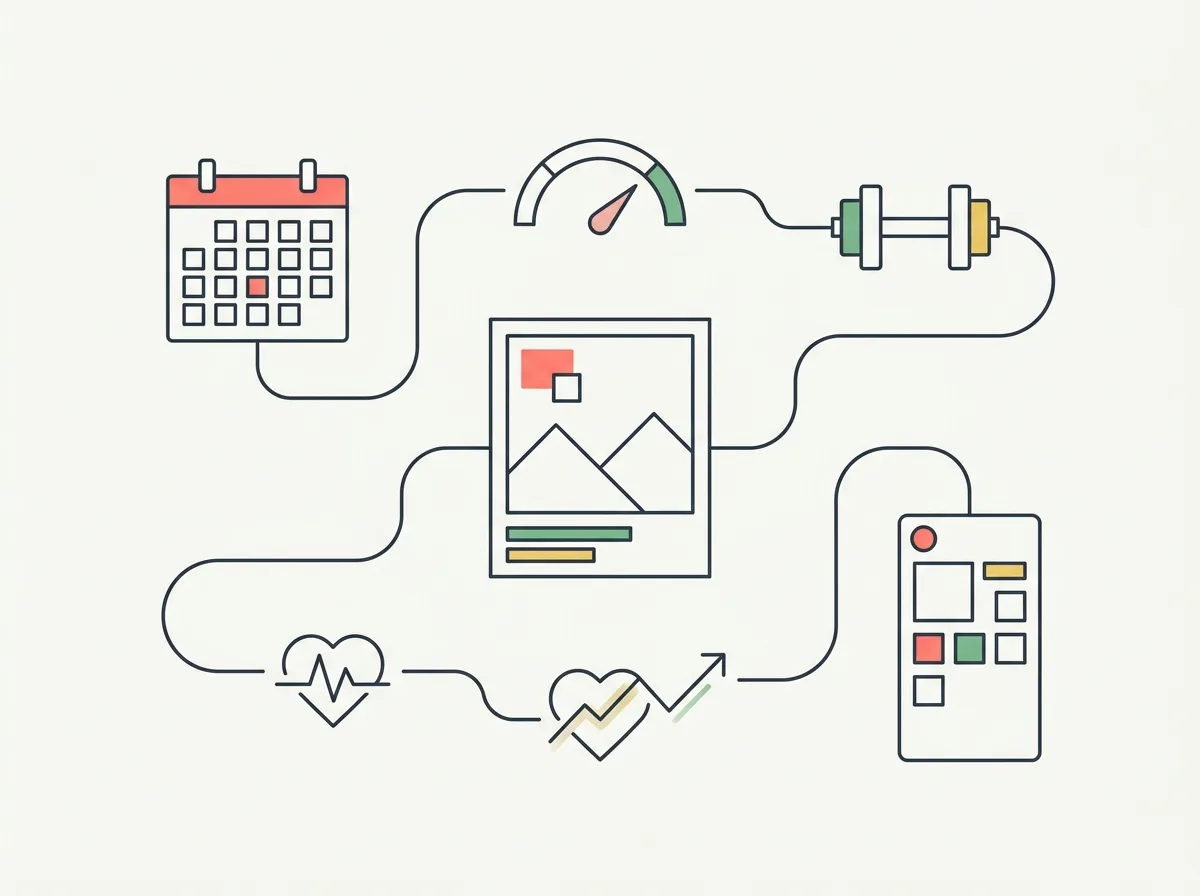
The GainFrame Roadmap for the Next 90 Days
I want to reduce paid churn by 30–50% and improve paid retention by about 25%. I have a product direction for getting there, but several of the ideas still need to earn their way into the app.
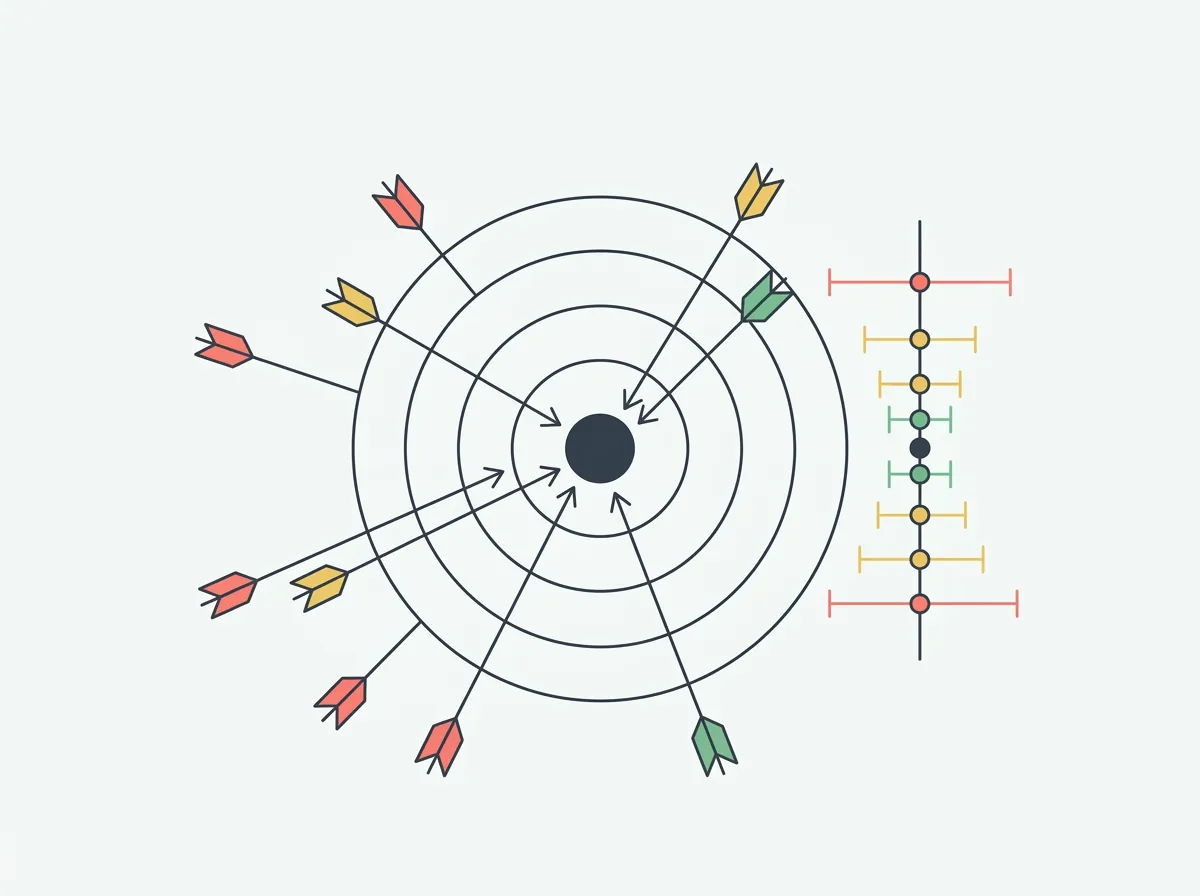
How Accurate Are Body Fat Calculators? Method by Method
Four calculators, four different numbers, and no way to tell which one is closest. Here's the honest error range behind each method, why they disagree, and the reframe that makes body fat tracking useful anyway.
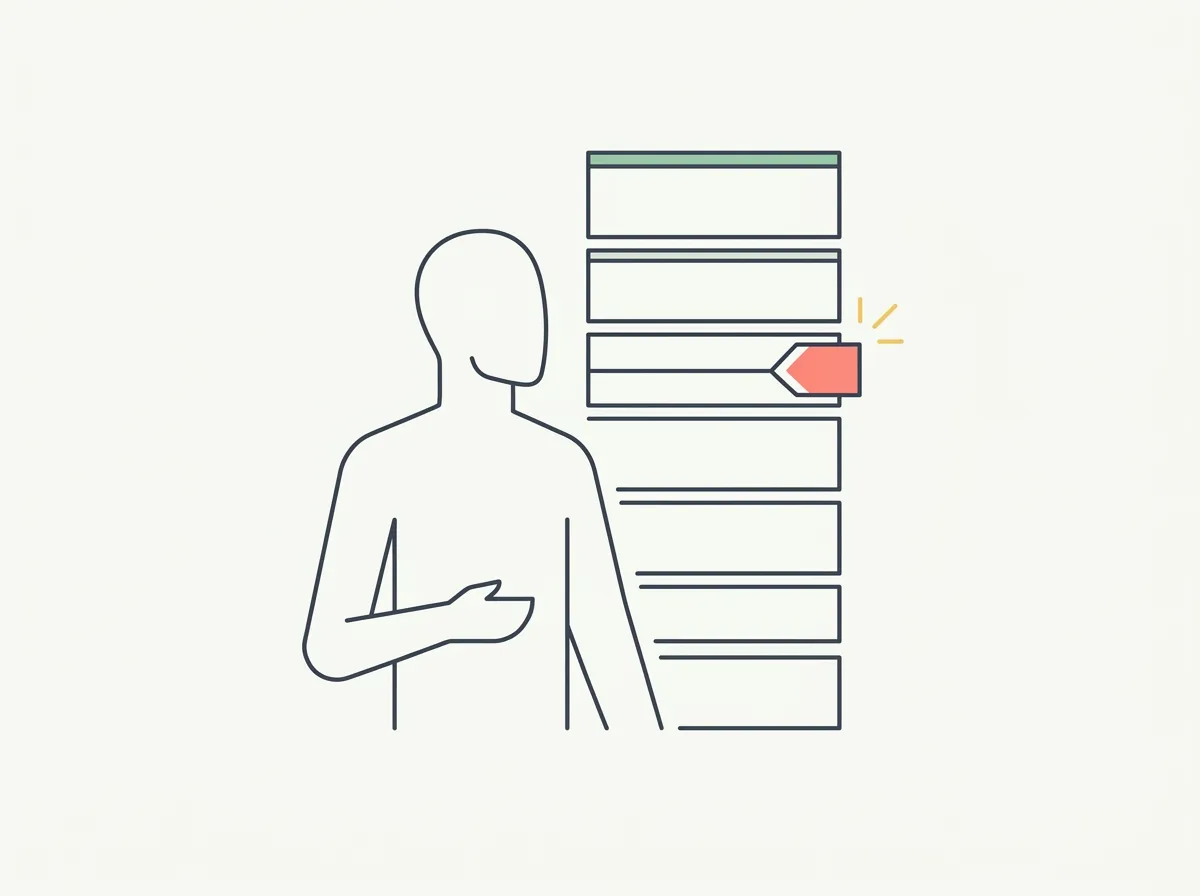
The Physique Rating Scale: What the Numbers Actually Mean
You can get a physique rating from a gym scale, an app, a judge, or a stranger on the internet - and all four numbers mean different things. Here's what each scale is grading, and which parts of yours are worth reading.
Rate My Physique: How to Get an Honest Assessment
You can't see your own physique clearly - nobody can. Here are the four ways to get an outside read on it, what each one actually tells you, and how to tell useful feedback from noise.
Am I Bulking Too Fast? The Rate Check
Your muscles have a monthly speed limit and your fork doesn't. The honest rate math for how fast a bulk should move, a worked example of the check, the four warning signs the surplus is going to fat, and the correction that isn't a panic cut.
Average Body Fat Percentage for Men
The average American man measures somewhere around 23-28% body fat - at the top of the band category charts label average, and often past the line they flag as elevated. Here are the men-specific ranges, why male numbers run lower than female ones by design, and what 18%, 23%, and 28% actually look like on the same body.
Beginner, Intermediate, or Advanced Lifter? A Real Self-Assessment
Five years of gym membership doesn't make you advanced, and neither does one good lift. A self-assessment across the three axes that actually define training level - consistent progression, relative strength, and rate of progress - and the honest reason most lifters land in the middle column.

5 Best Ways to Make App Store Screenshots (From a Solo Dev)
The App Store screenshots are the wall every solo dev hits — you can build the product but lose a weekend fighting device frames. Here are the five best ways to make them, ranked by how little time they cost.
Body Recomposition Over 40: What Changes and What Doesn't
The doom content about training after 40 is mostly wrong. Muscle still responds, fat still comes off — what changes is recovery, protein math, and how long you have to wait to see it. Here's the honest version.
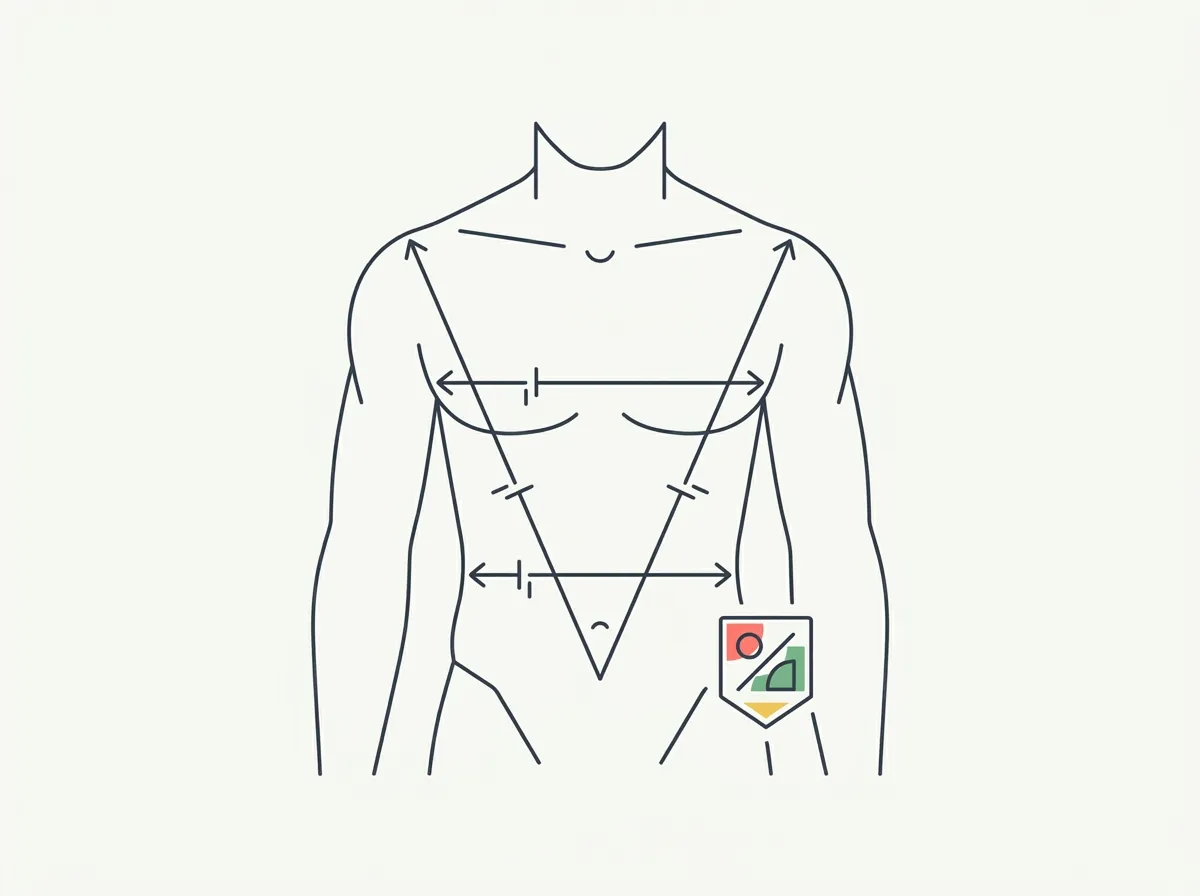
Chest-to-Waist Ratio: The Other V-Taper Number
The V-taper has two measurements, and most people only know one. The commonly cited ideal chest-to-waist ratio sits around 1.33–1.4 — a different number than the golden-ratio shoulder figure, taped at a different place. Here's the worked table, the protocol, and which lever to pull first.
How to Get a Toned Stomach: What Works for Women
The crunch challenges keep failing for a reason: they train a muscle nobody can see yet. A toned stomach is a body fat number plus a bit of core muscle — here's the range where it shows, the playbook that gets there, and why your stomach looks different every morning.
Download GainFrame today
Sign up for early access and be the first to know when GainFrame goes live.