
Quick answer: Use these body fat reference pictures to compare broad visual patterns in men and women. The images are standardized AI illustrations, not photographs of people with measured body fat. Jump to the relevant chart, keep lighting and pose in mind, and treat any visual match as an estimate rather than a diagnosis.
The percentage labels organize an illustrative atlas. They are not validated measurements of the rendered bodies, and a visual match cannot establish your actual percentage. For measurement choices, see DEXA alternatives and their limits.
Someone tells you they're at 15% body fat. What does that actually look like? Without a visual reference, that number means nothing.
Text descriptions fall short. "Visible abs with some softness" could describe three different body fat levels depending on who's writing. The reference images below use consistent male and female builds with matched front and back views, spanning labels from 8% to 30% for men and 18% to 40% for women. That makes small visual differences much easier to spot. For a one-shot baseline, our free AI body fat tool reads a photo and returns a percentage in under a minute.
How should you read these reference pictures?
The images are AI-generated illustrations from the body-fat visualizer, organized by nominal percentage labels. The depicted changes are illustrative. They have not been validated against measured bodies, and the labels do not establish a diagnosis, a healthy target or an exact visual threshold for visible abs.
Compare like views and remember that body shape, muscle size, lighting and pose can change appearance. The descriptions below refer to the illustrations, not to what every person at a measured percentage must look like.
What does each body fat percentage look like on men?
The male illustrations use a consistent reference build, pose and lighting. Actual fat distribution and muscle development vary between people.
What does 8% body fat look like on a man?
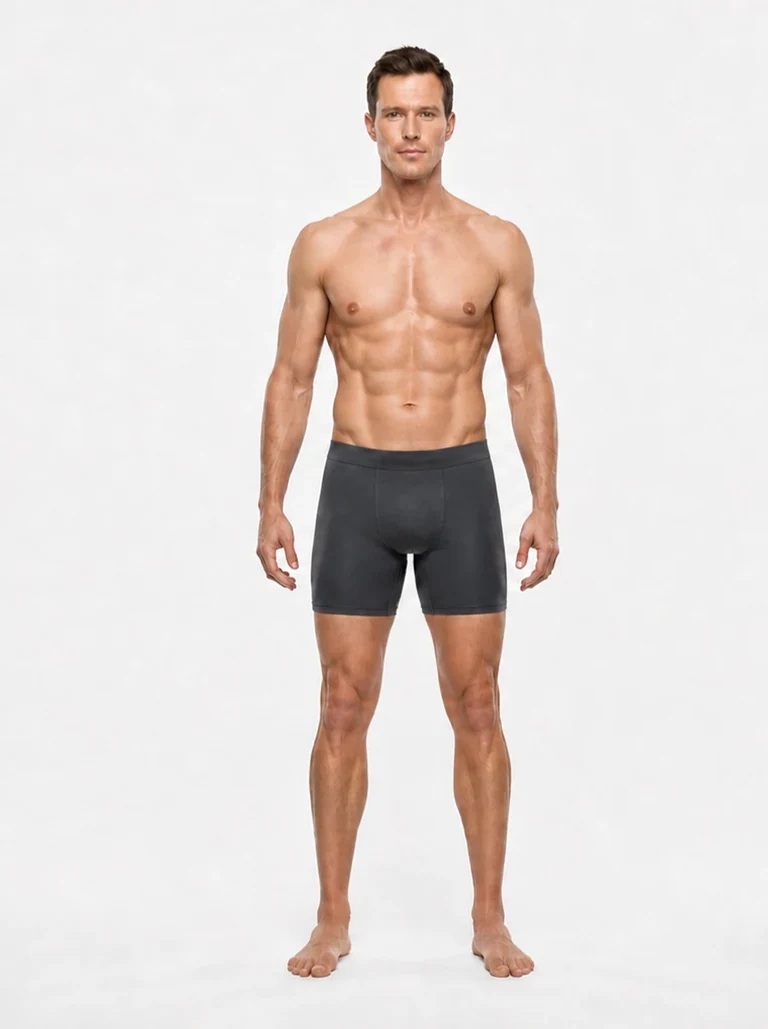
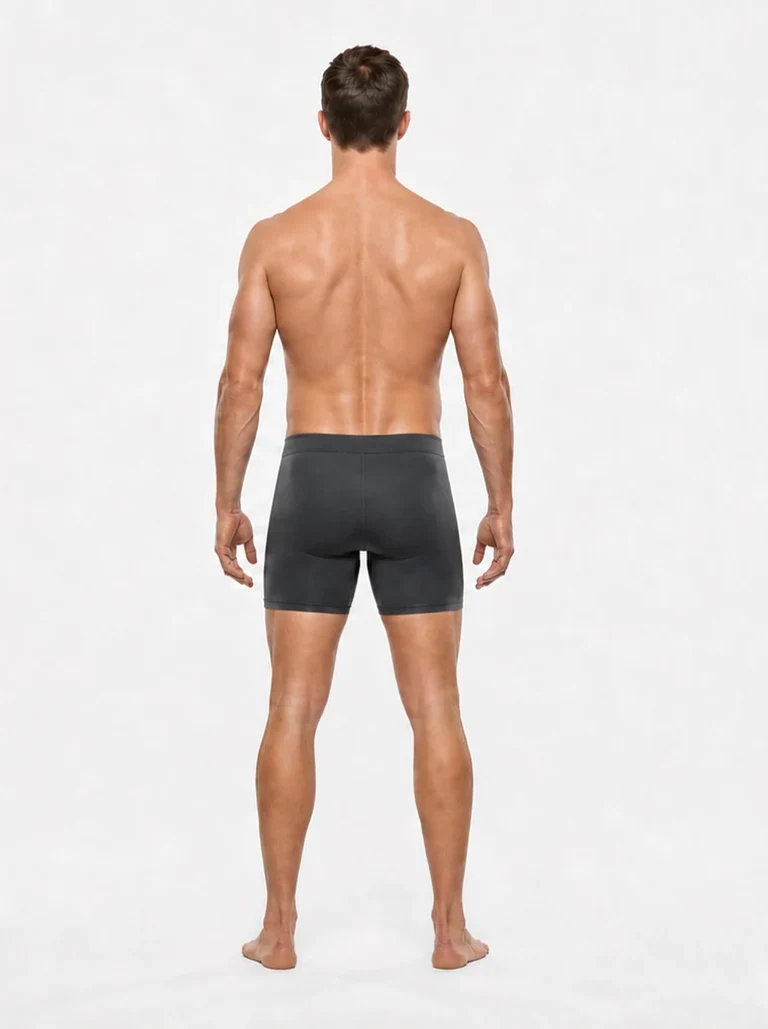
Very sharp abdominal and back definition with a narrow waist.
What does 9% body fat look like on a man?
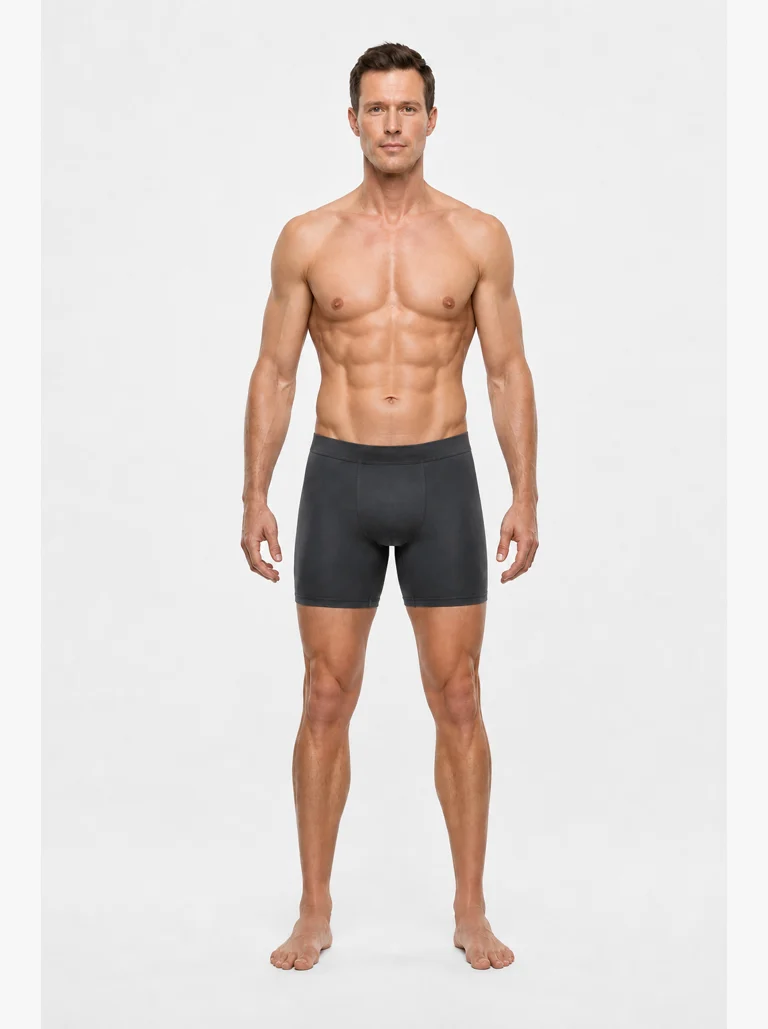
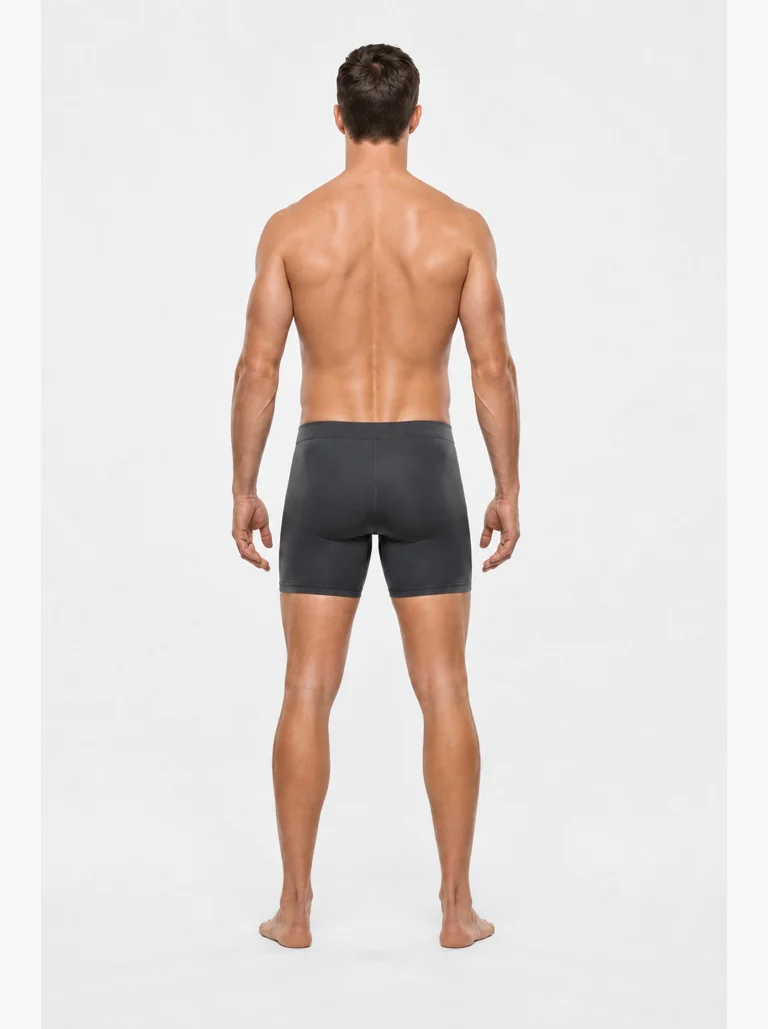
Sharp abdominal definition and a tight lower-back outline.
What does 10% body fat look like on a man?
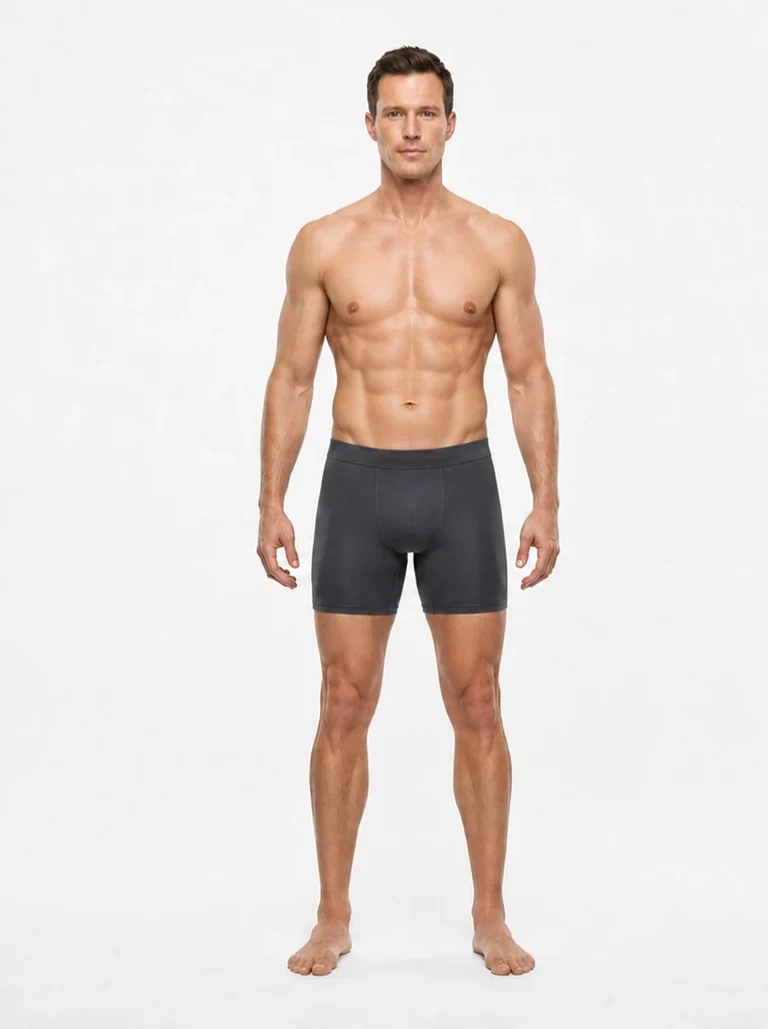
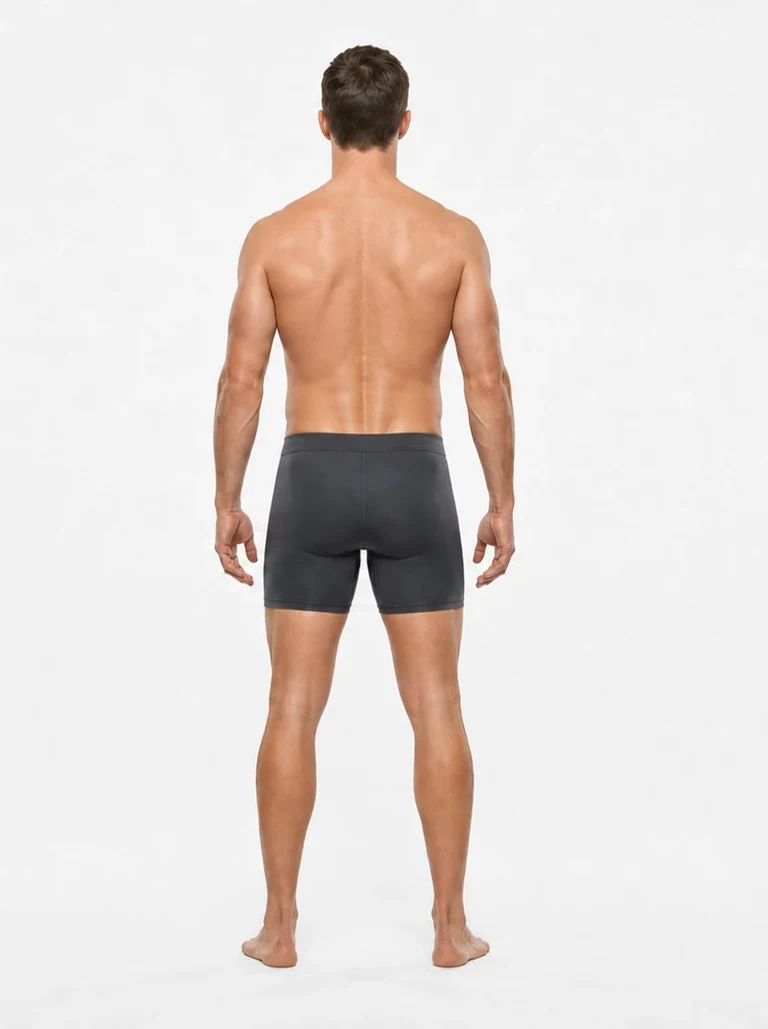
Clear abdominal contours and pronounced shoulder and back separation.
What does 11% body fat look like on a man?
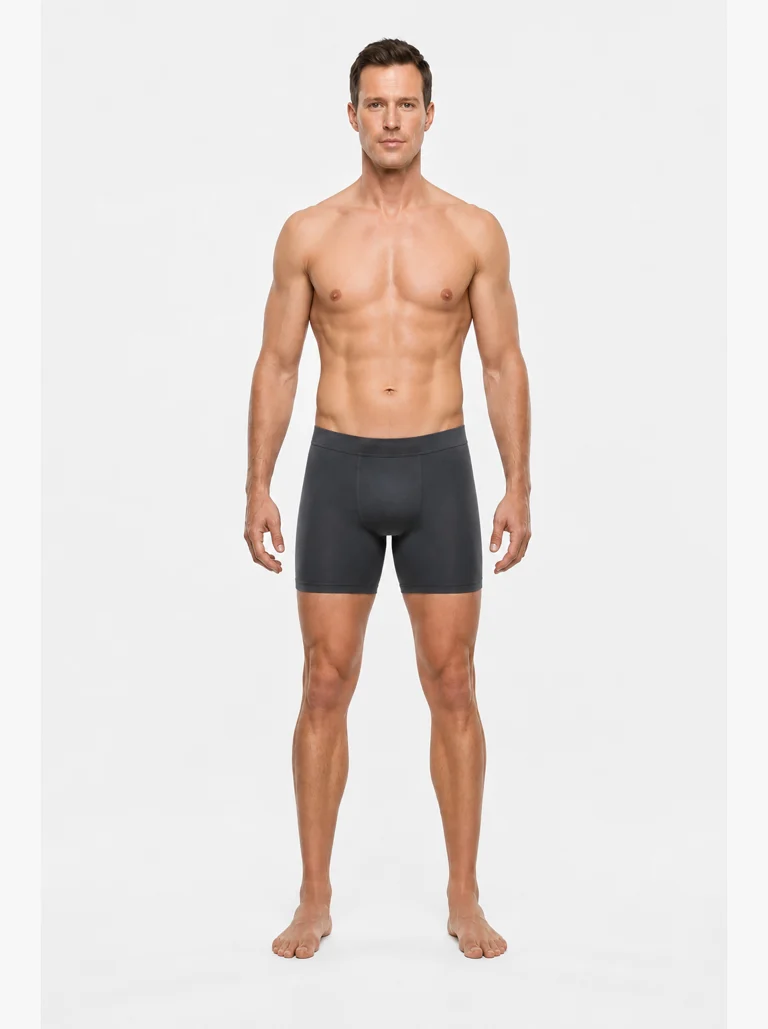
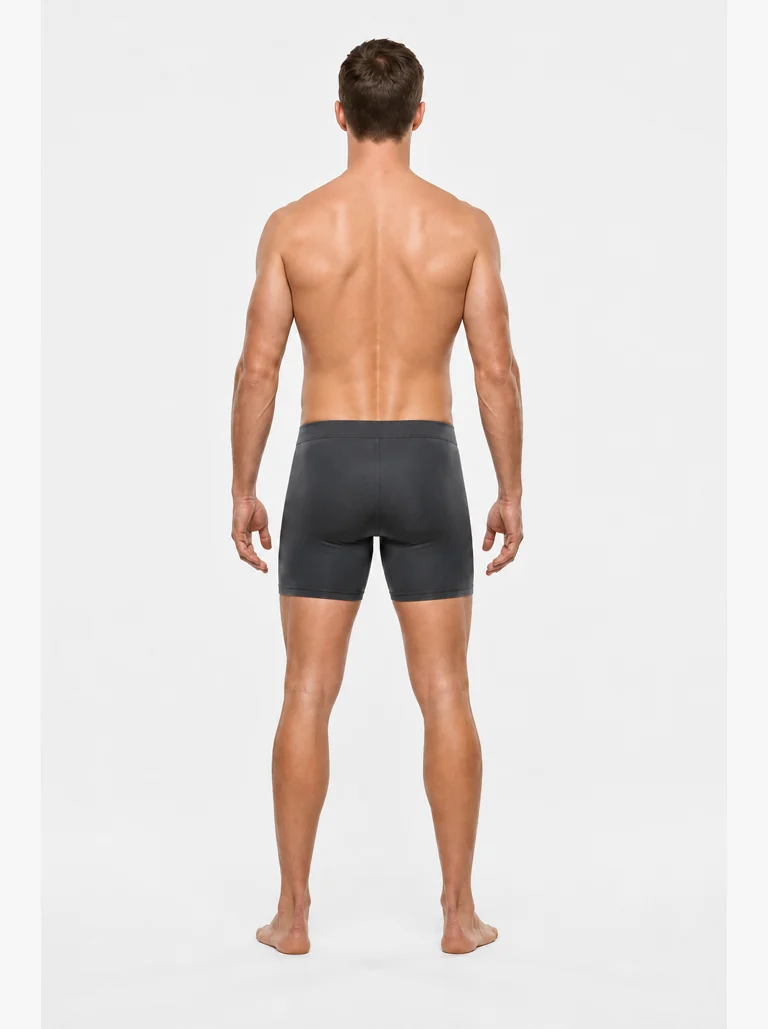
Visible abdominal contours with slightly softer edges than the lower-labeled examples.
What does 12% body fat look like on a man?
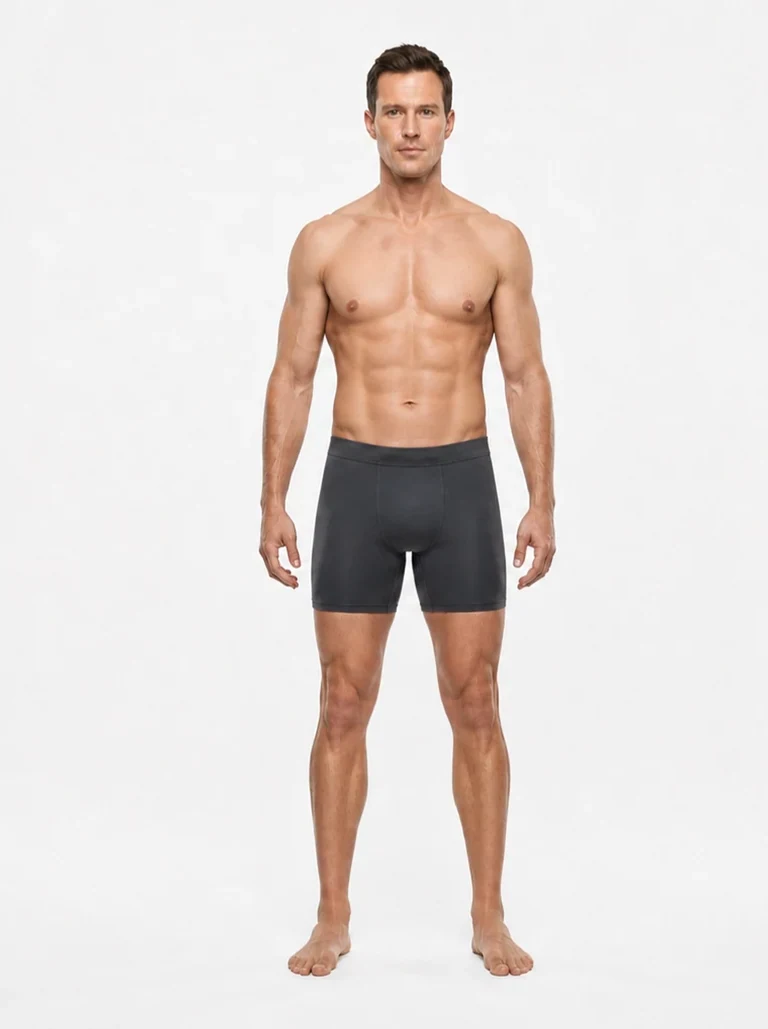
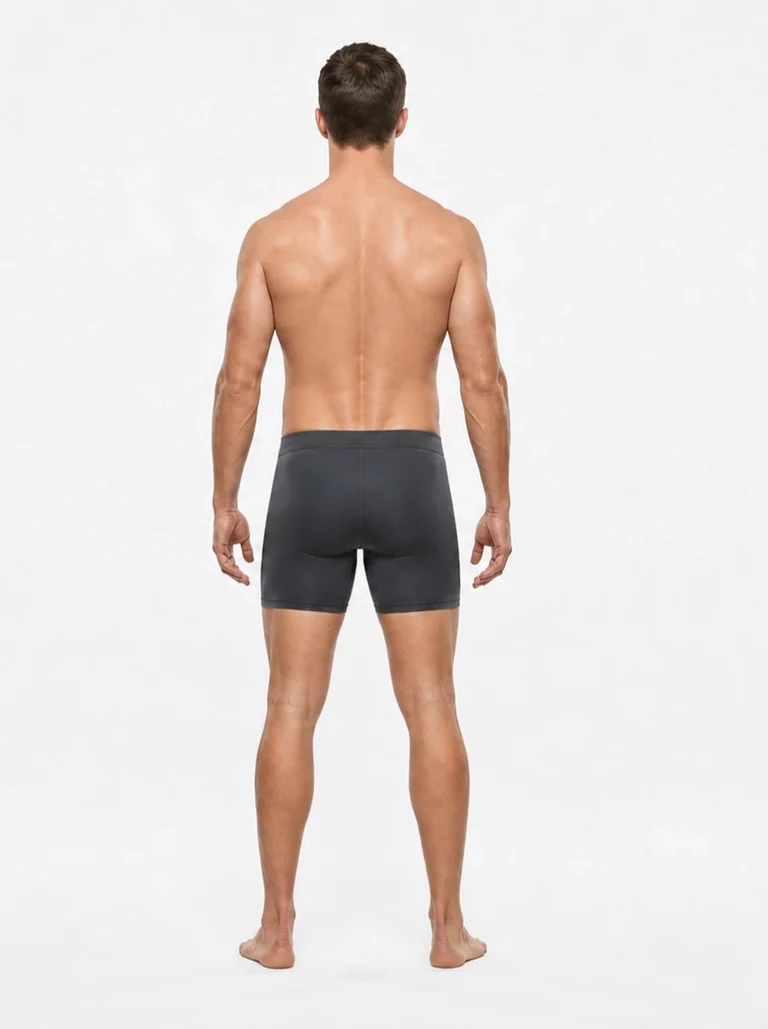
Defined upper-body contours and a comparatively narrow waist.
What does 13% body fat look like on a man?
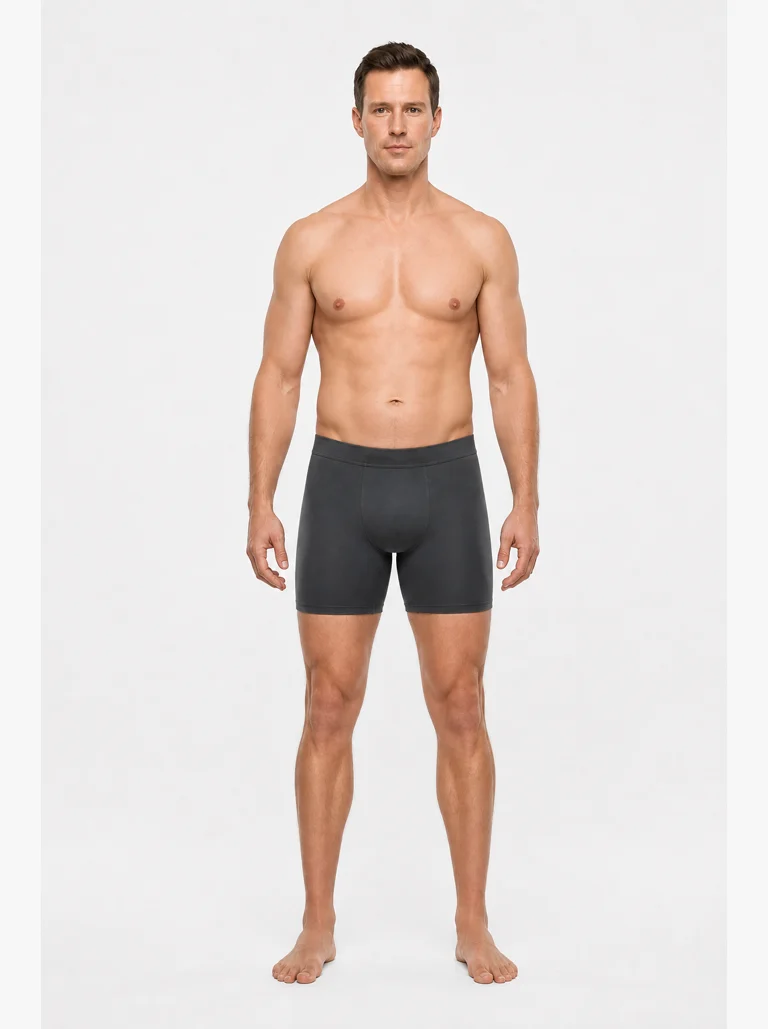
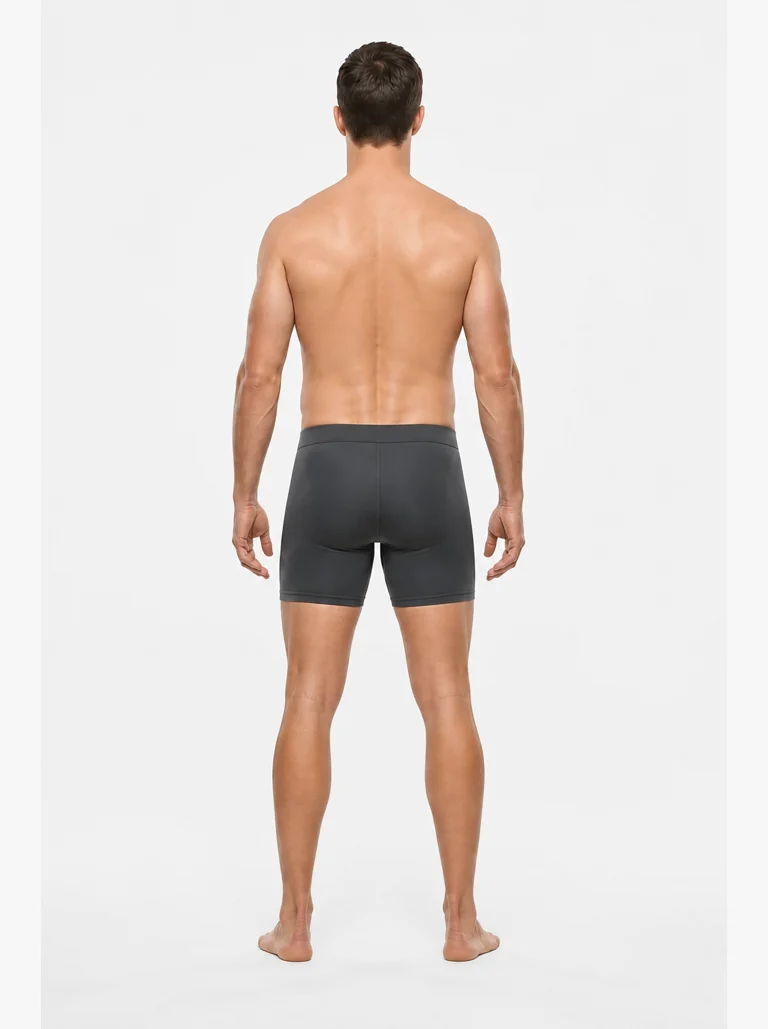
Visible muscle outlines with some softness around the lower torso.
What does 14% body fat look like on a man?
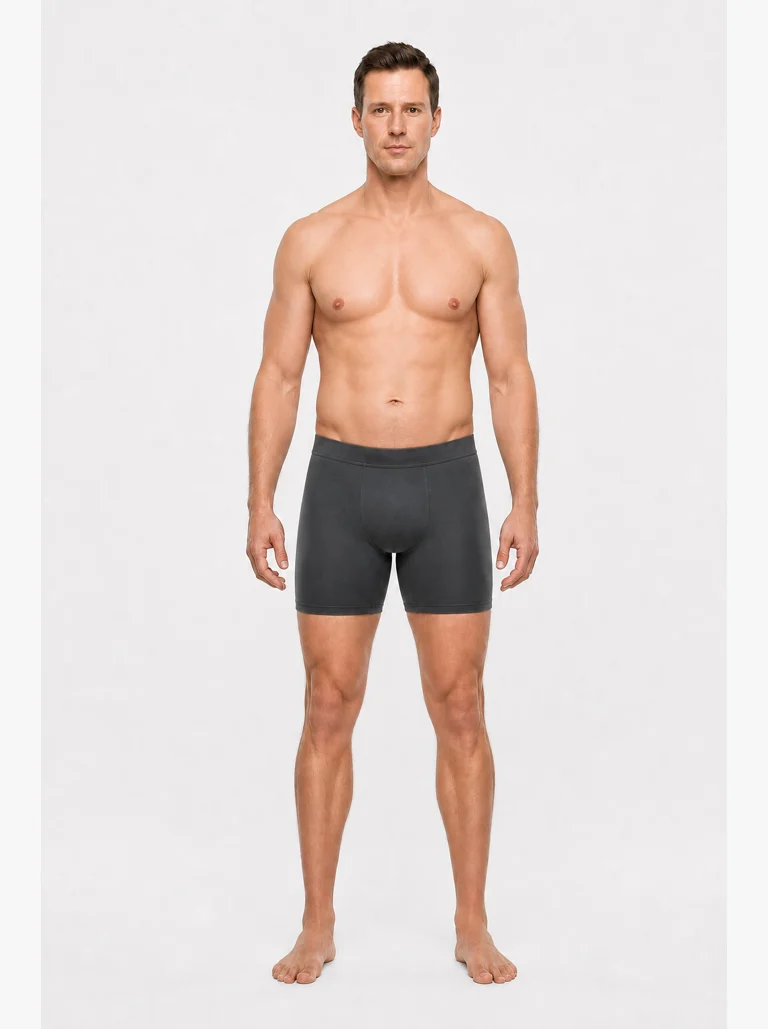
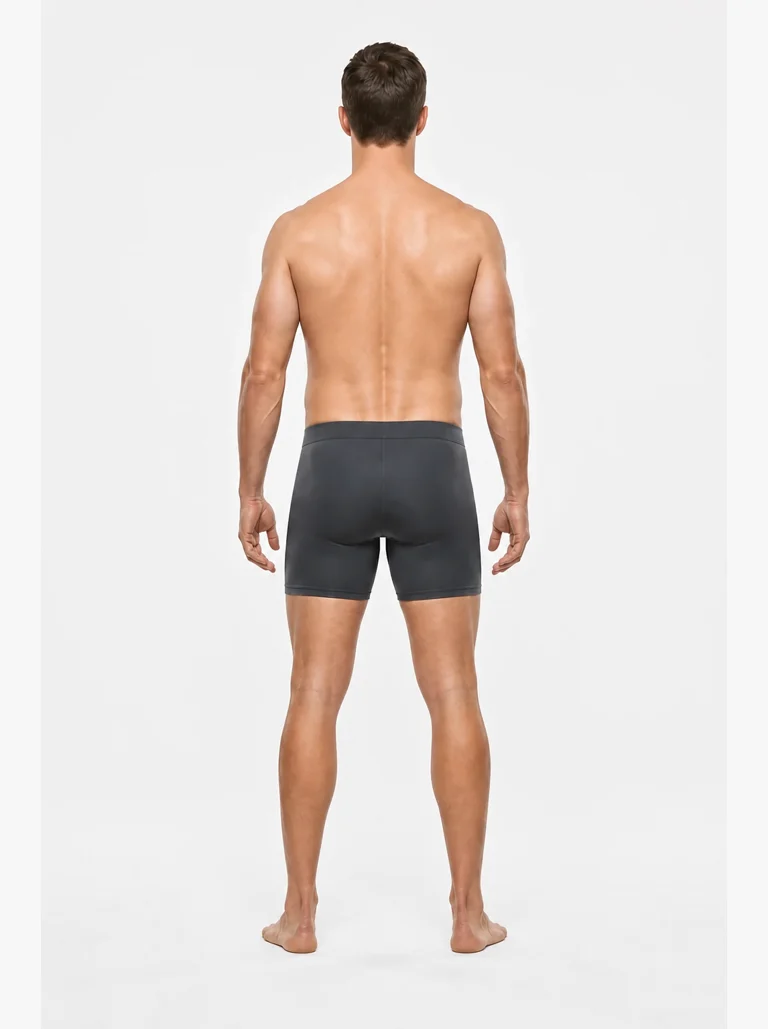
Visible upper-body definition with softer waist contours.
What does 15% body fat look like on a man?
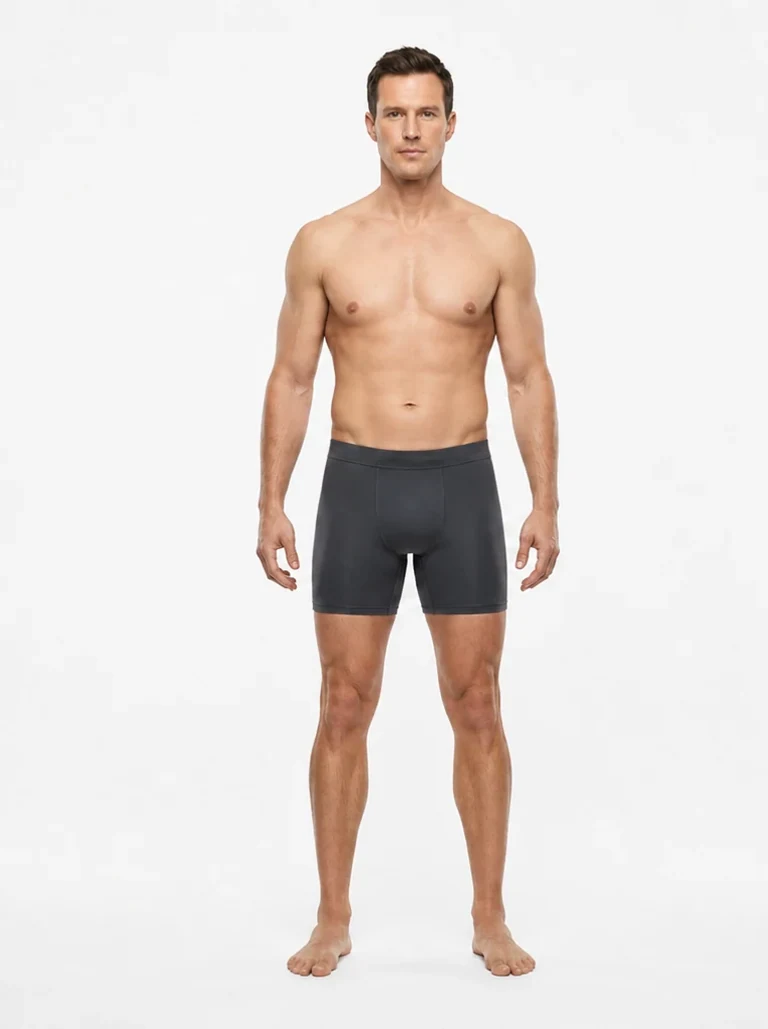
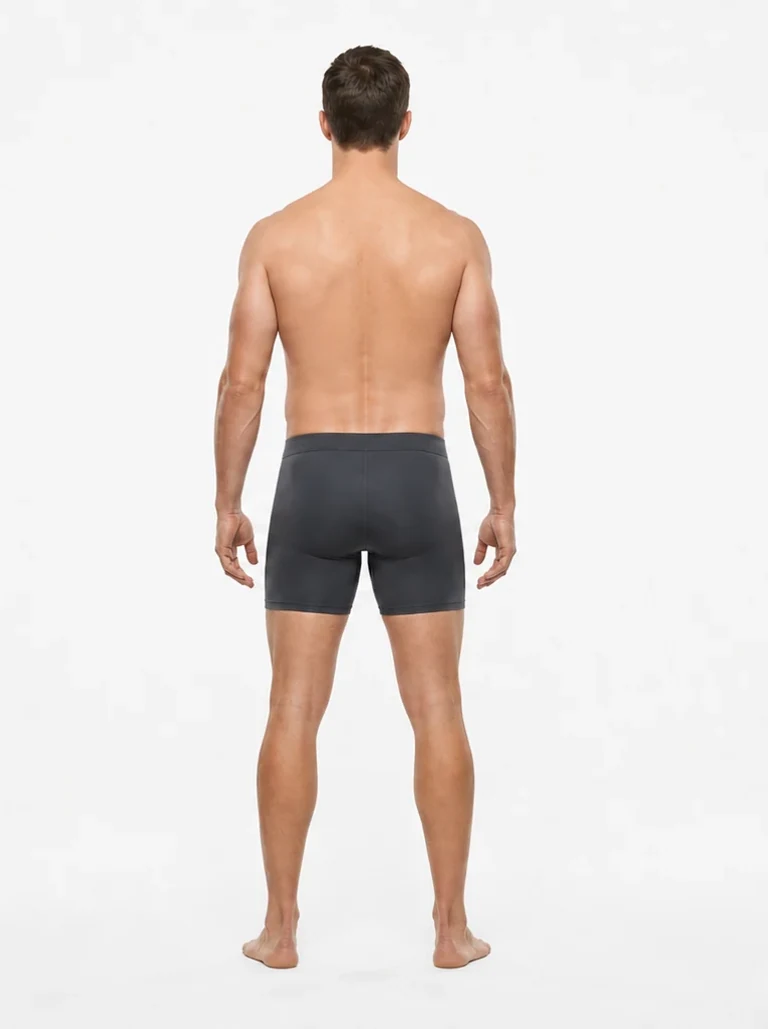
Visible muscle contours with some softness around the torso.
What does 16% body fat look like on a man?
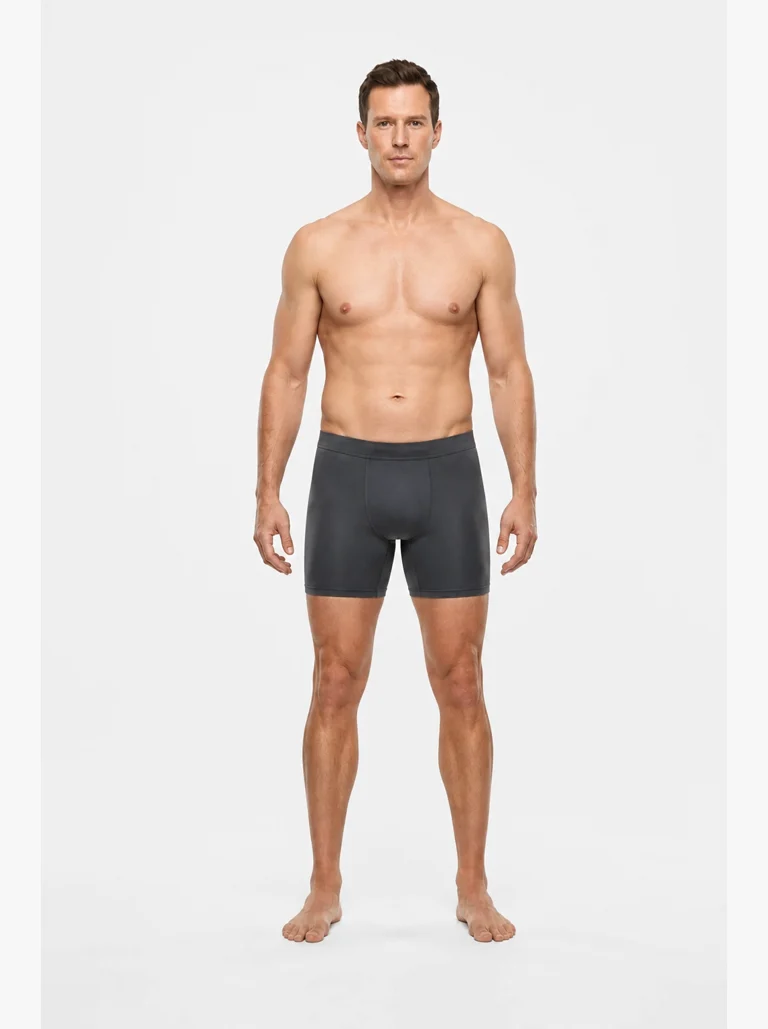
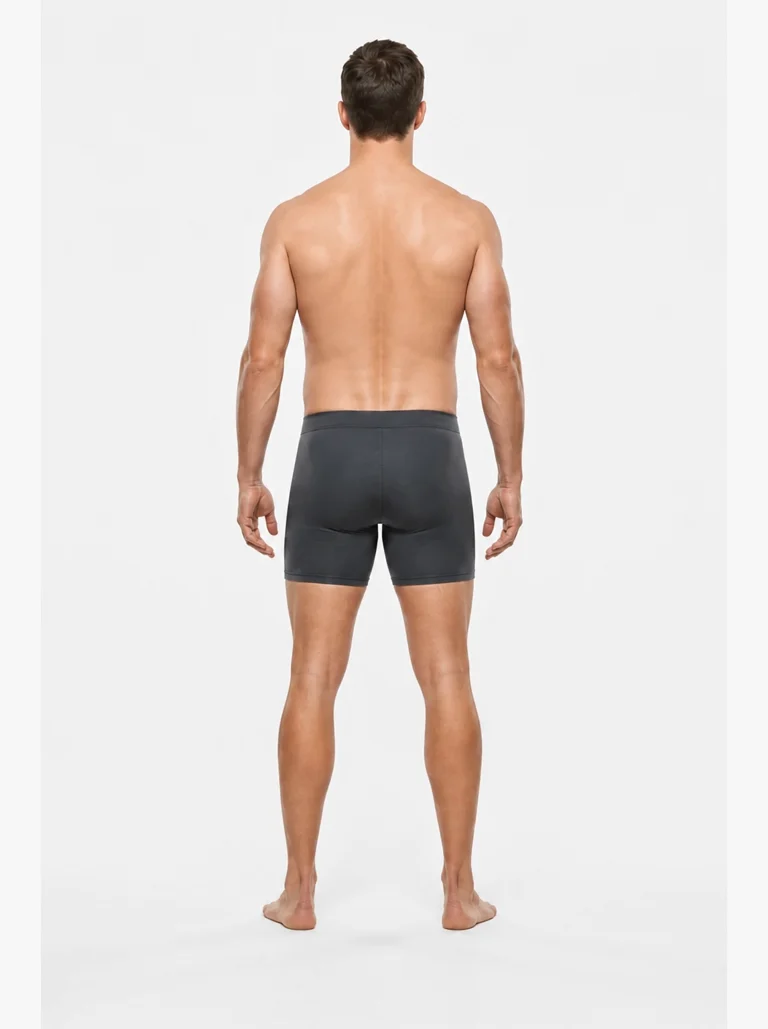
Softer abdominal edges while shoulder and back contours remain visible.
What does 18% body fat look like on a man?
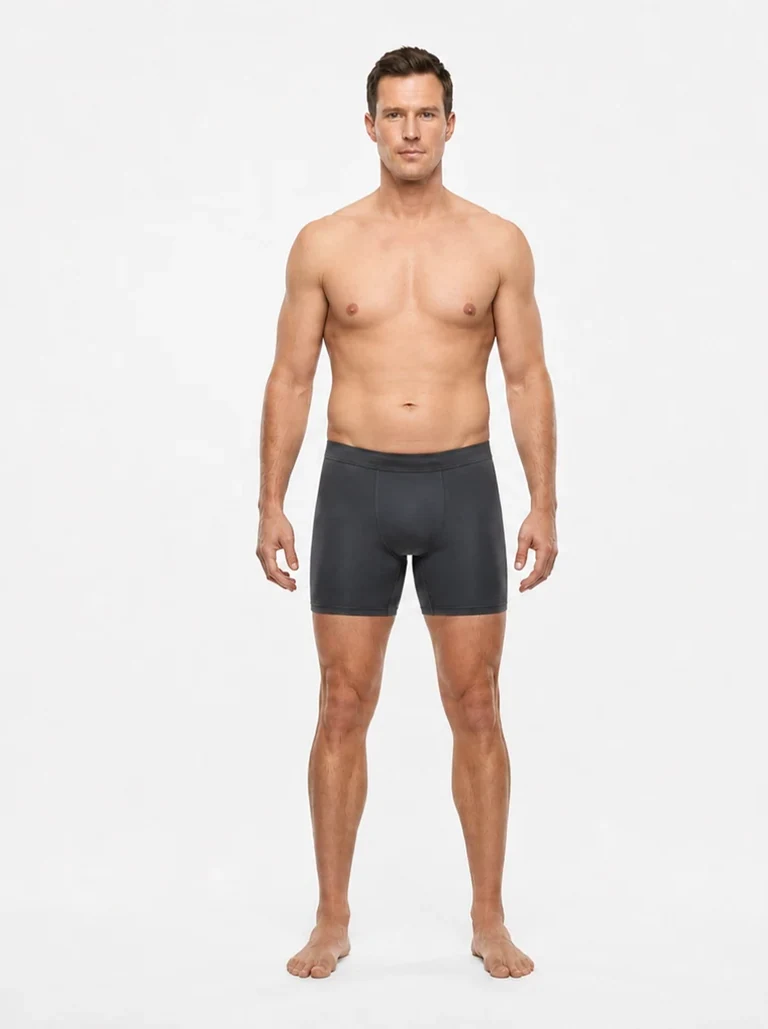
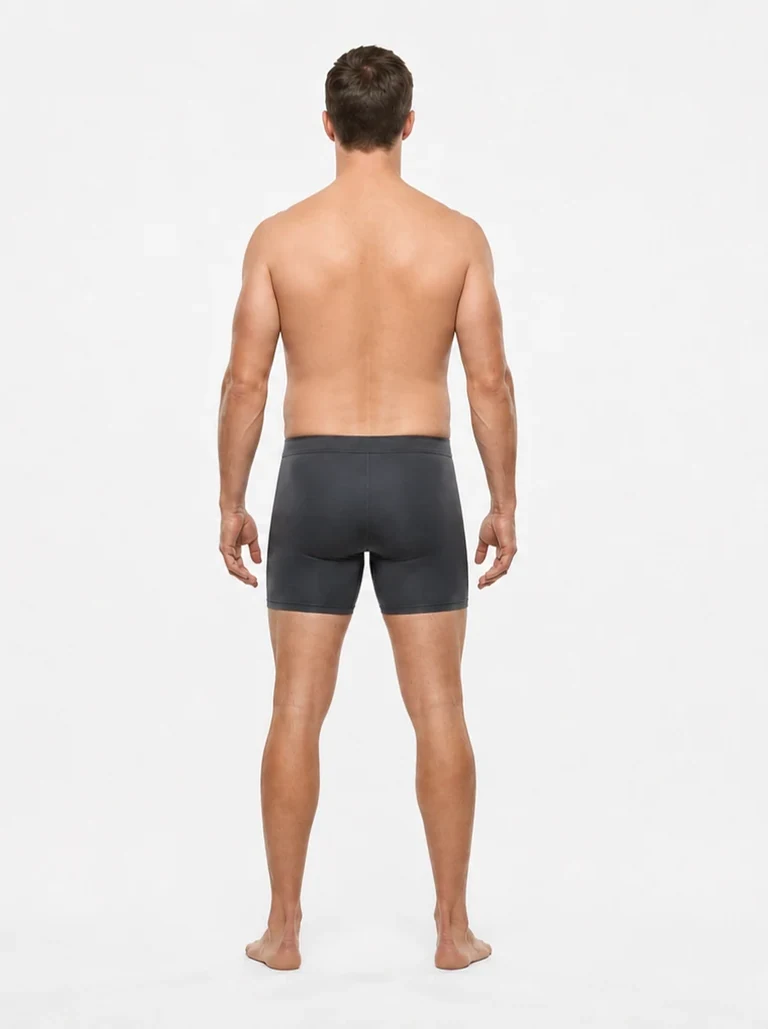
Some muscle shape remains visible beneath a softer torso outline.
What does 19% body fat look like on a man?
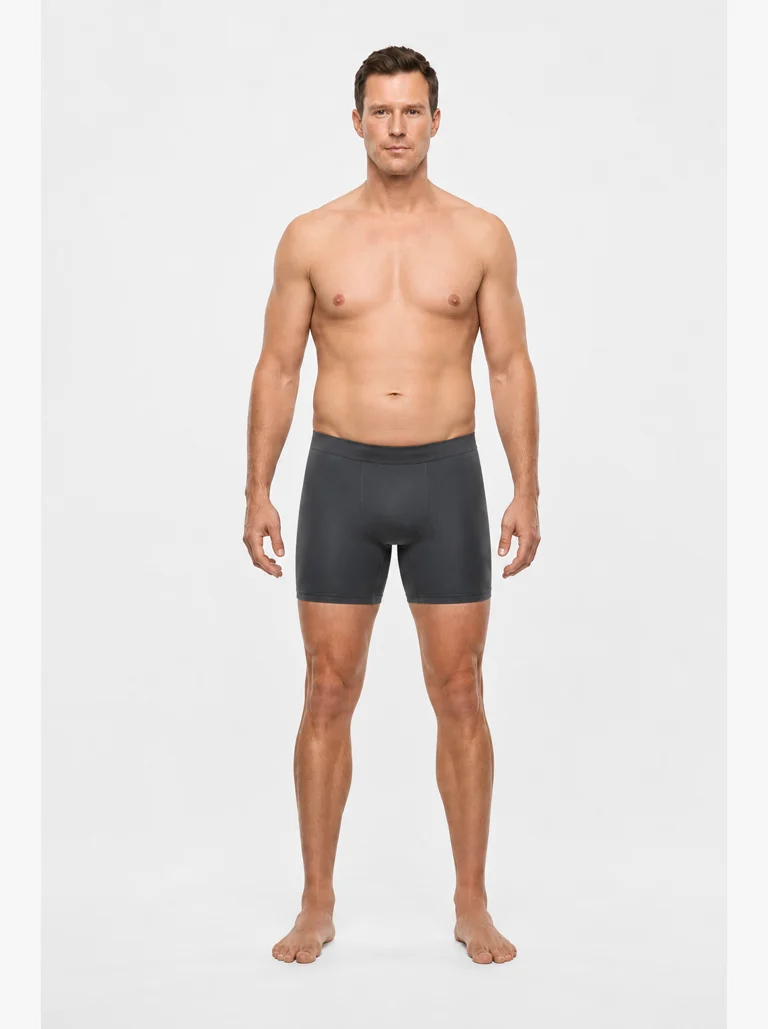
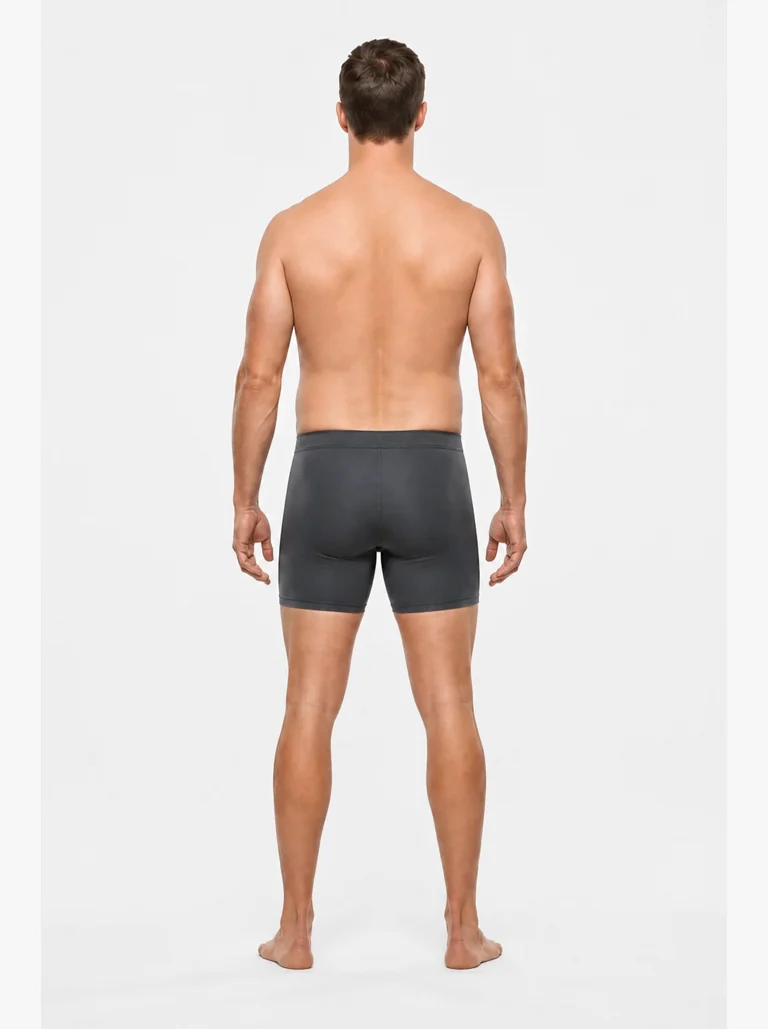
The bridge from fit to average-looking. The waist is smooth, with only light muscular separation remaining through the torso and back.
What does 20% body fat look like on a man?
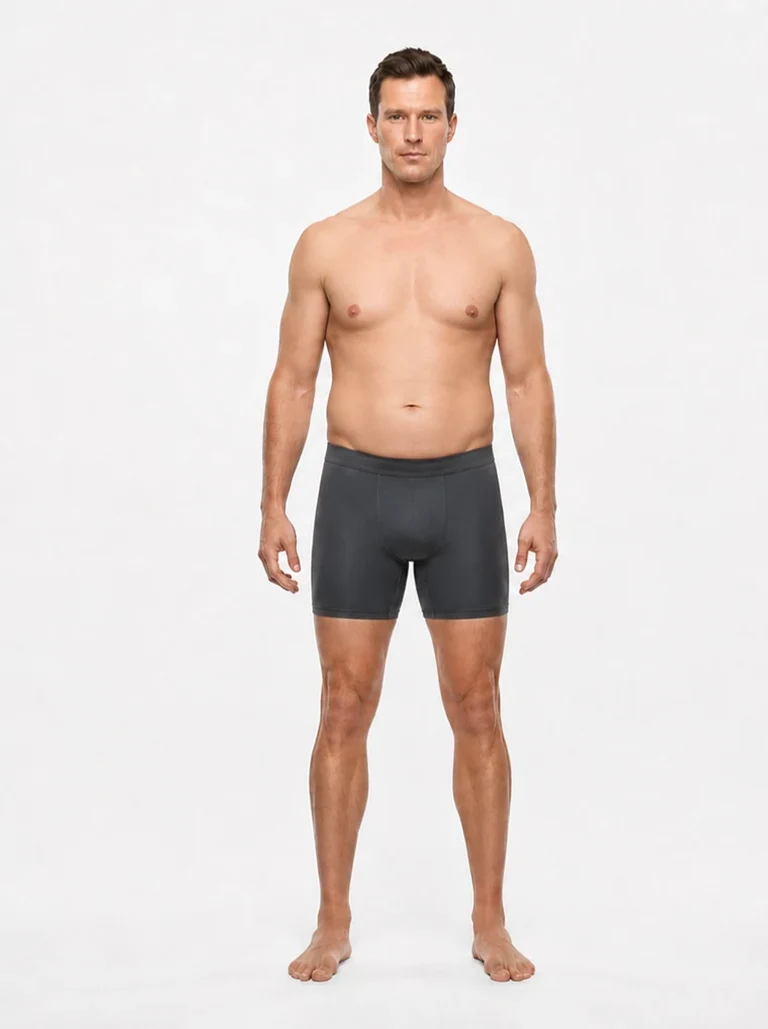
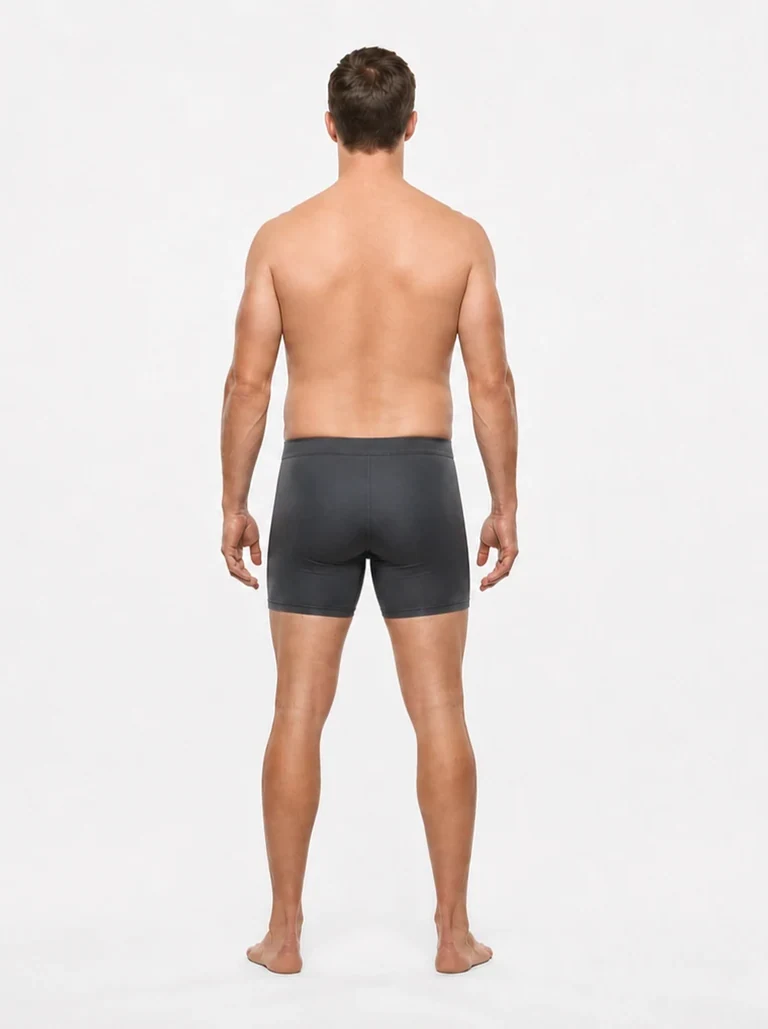
A smoother midsection and less visible abdominal separation.
What does 22% body fat look like on a man?
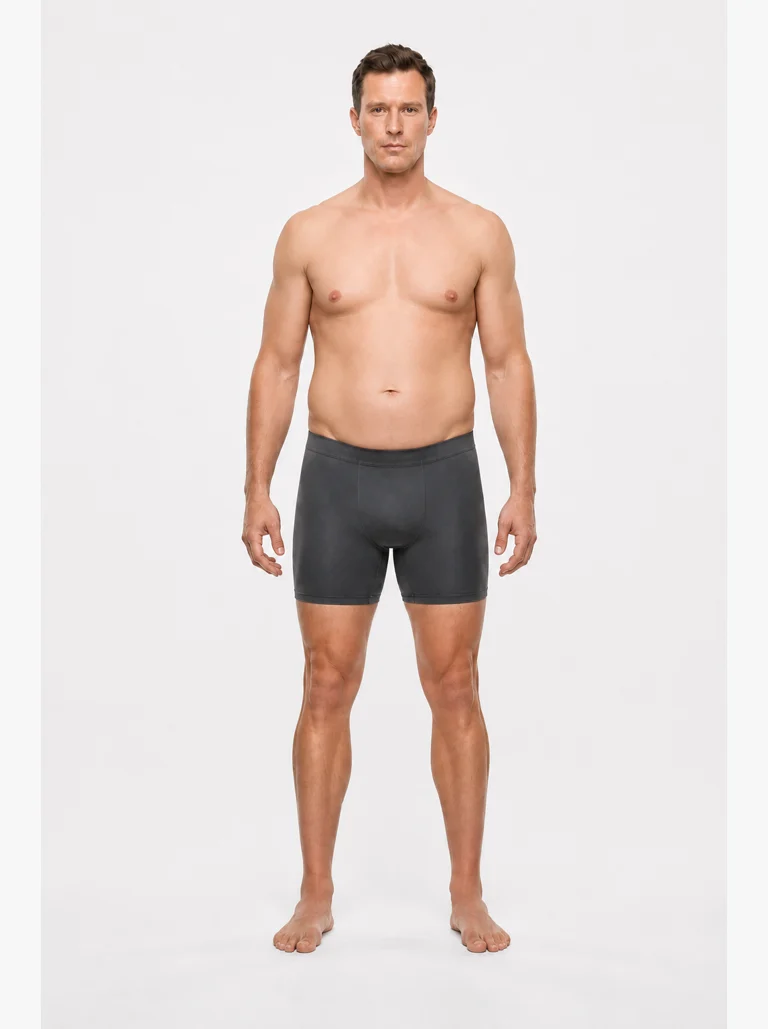
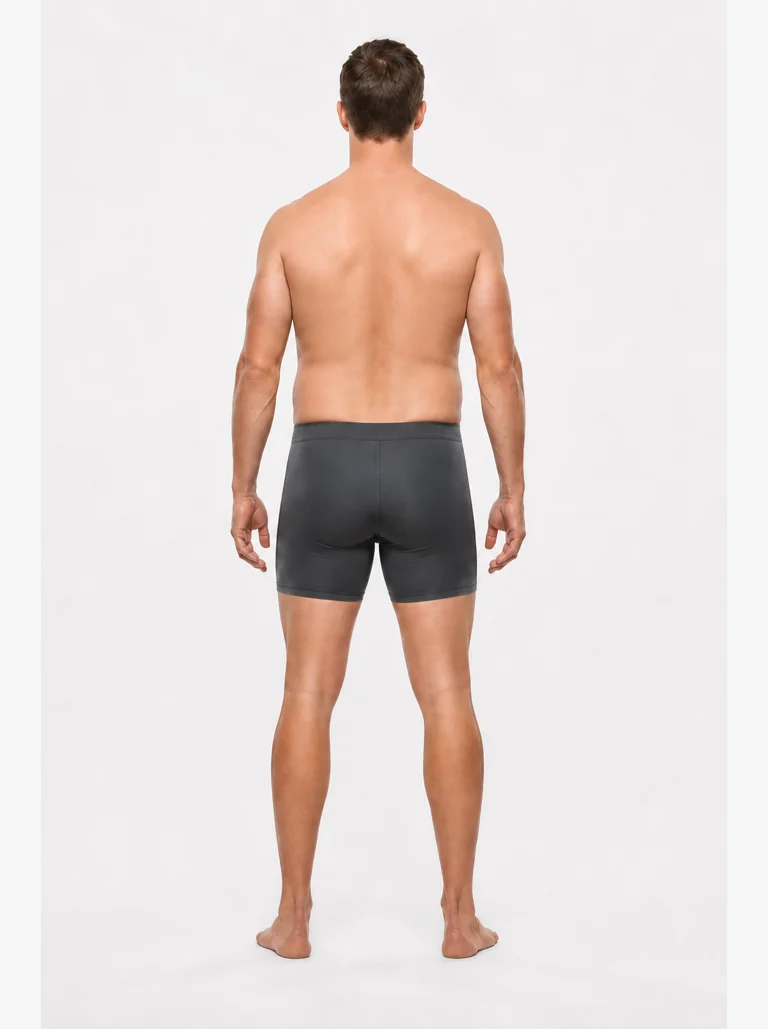
More fullness around the waist and lower back within this illustrated sequence.
What does 25% body fat look like on a man?
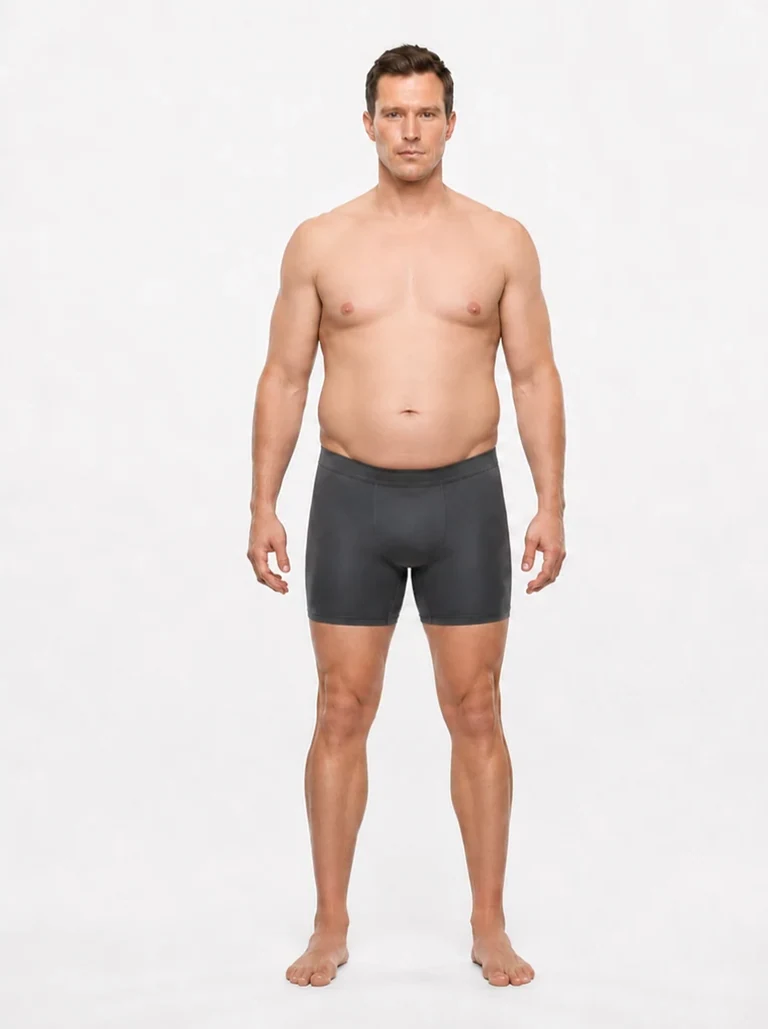
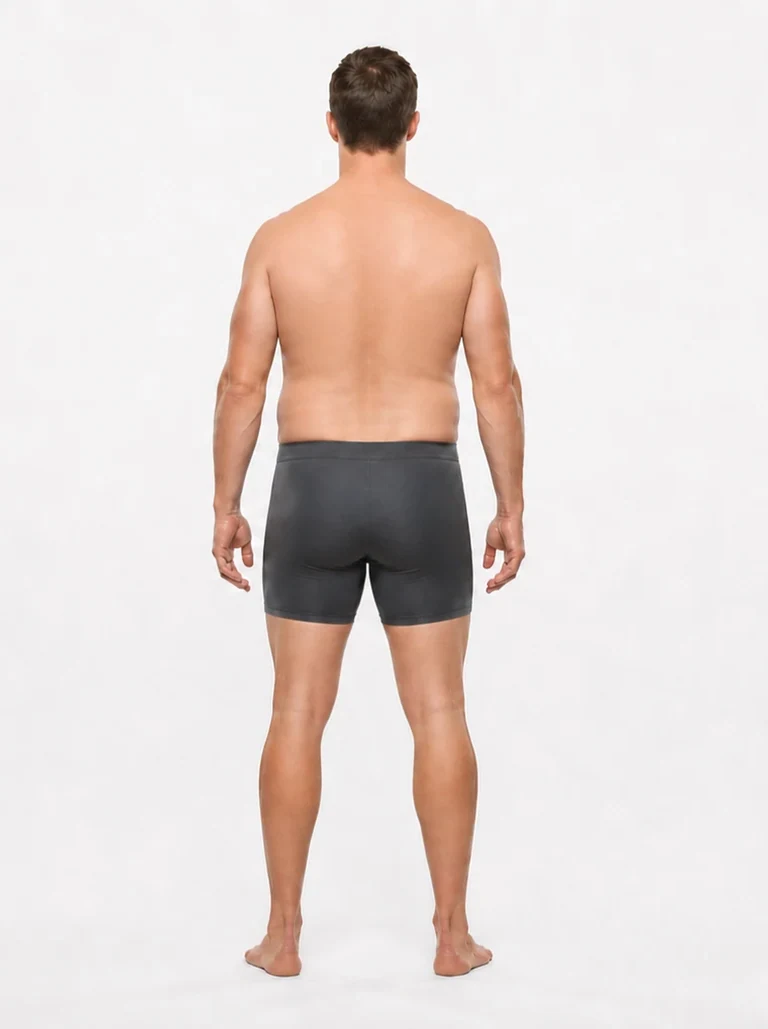
A fuller waist and smoother chest and back contours.
What does 27% body fat look like on a man?
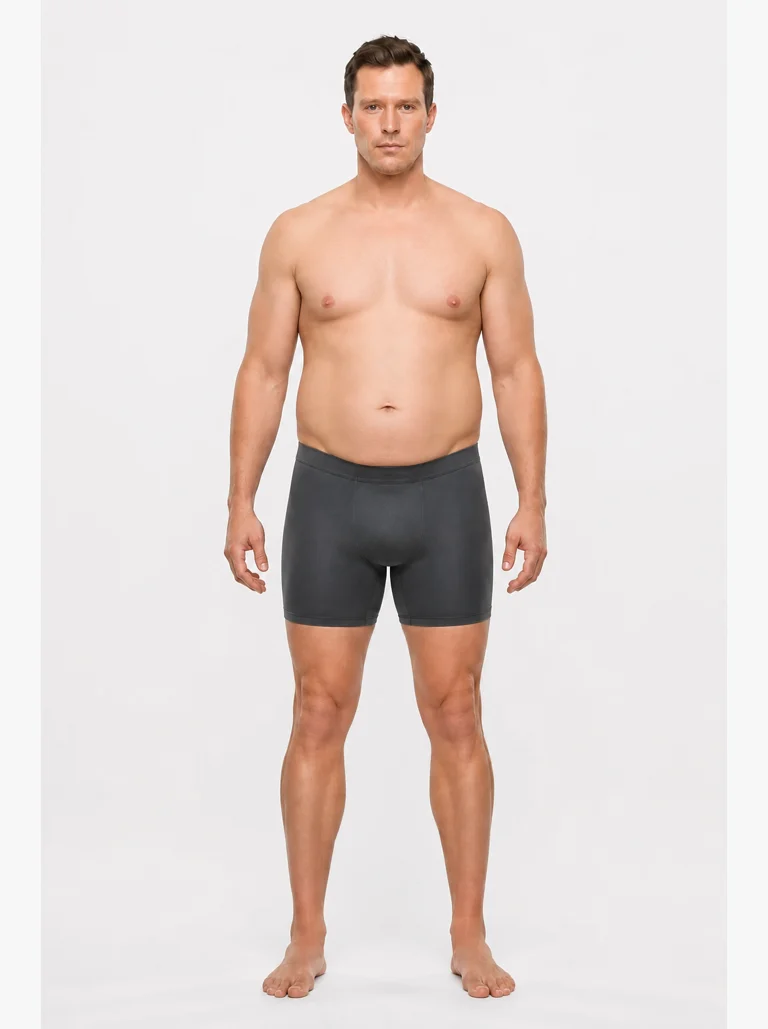
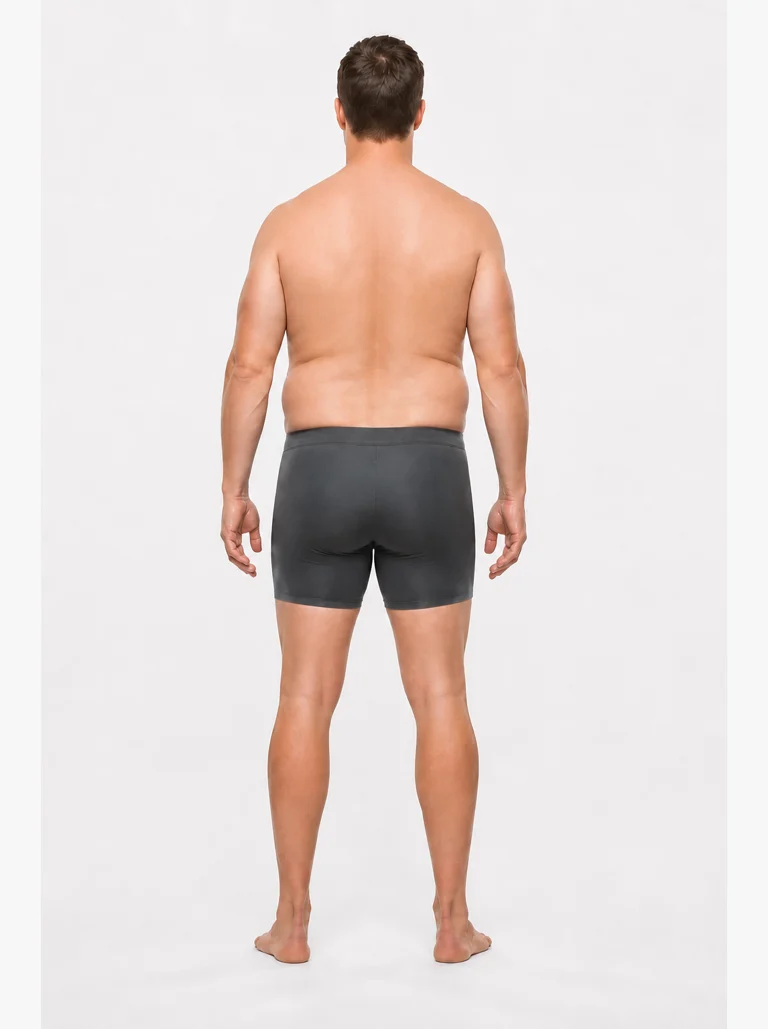
More pronounced abdominal and lower-back softness, giving a clear visual midpoint between the 25% and 30% references.
What does 30% body fat look like on a man?
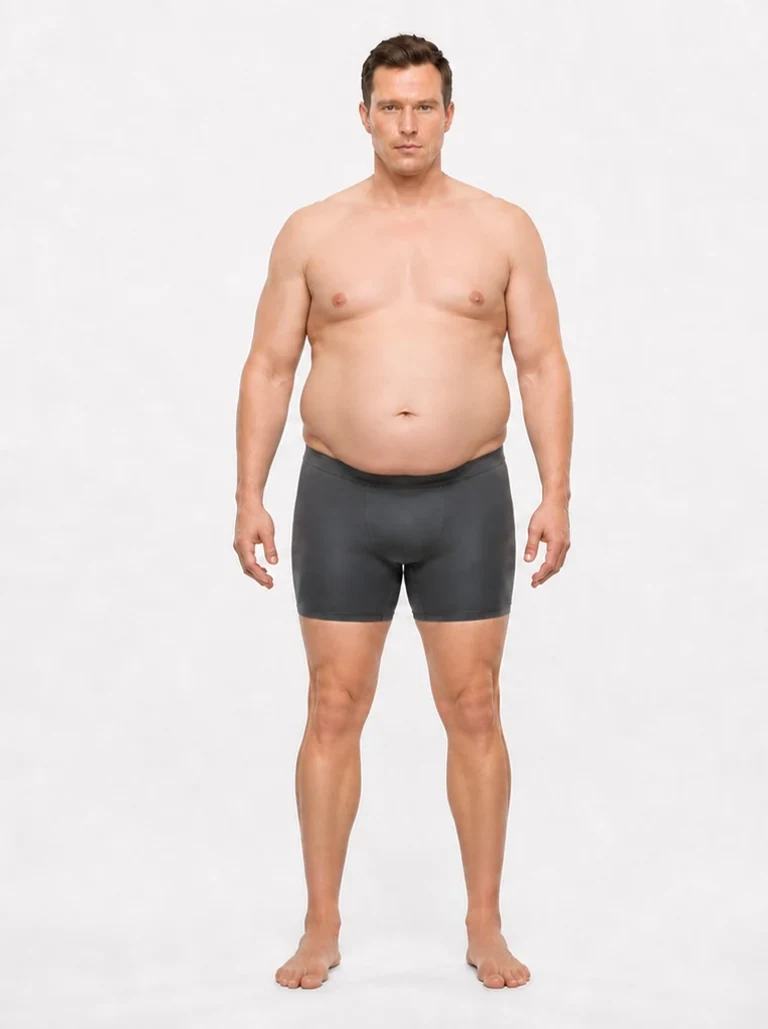
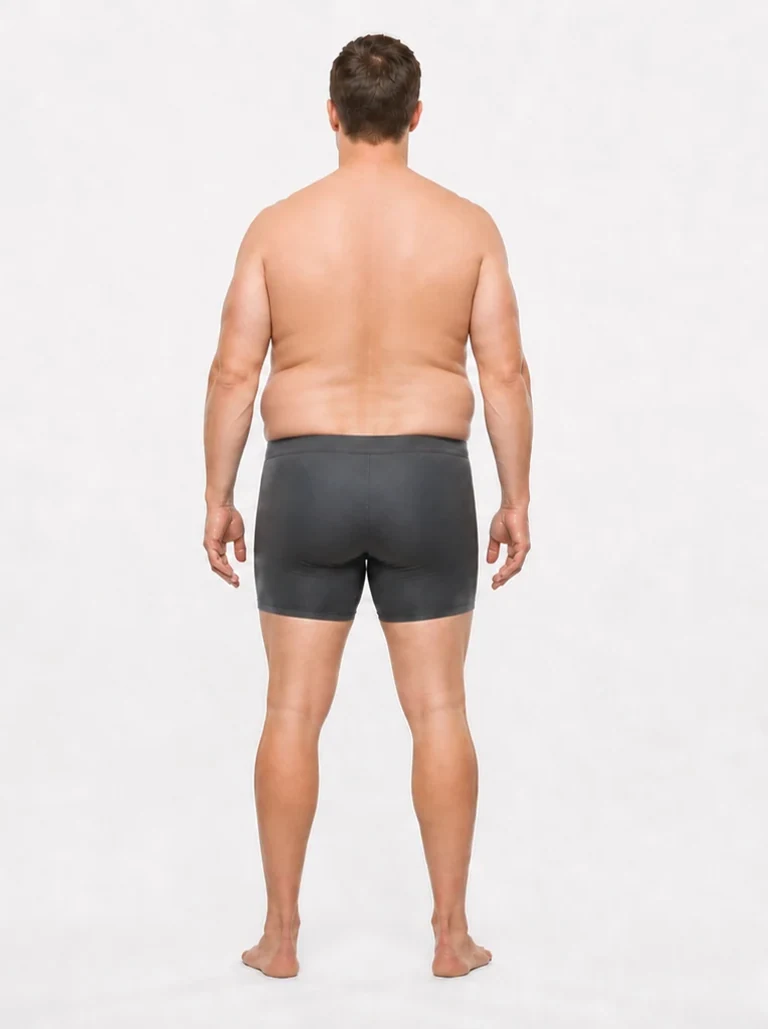
A fuller torso and waist outline than the lower-labeled male illustrations.
Each high-intent male level also has a dedicated reference page in the body fat picture gallery, including exact pages for 15% and 25% body fat.
What does each body fat percentage look like on women?
The female illustrations use a consistent reference build, stance, clothing and lighting. They show an illustrative sequence; individual fat distribution and muscle development vary.
What does 18% body fat look like on a woman?
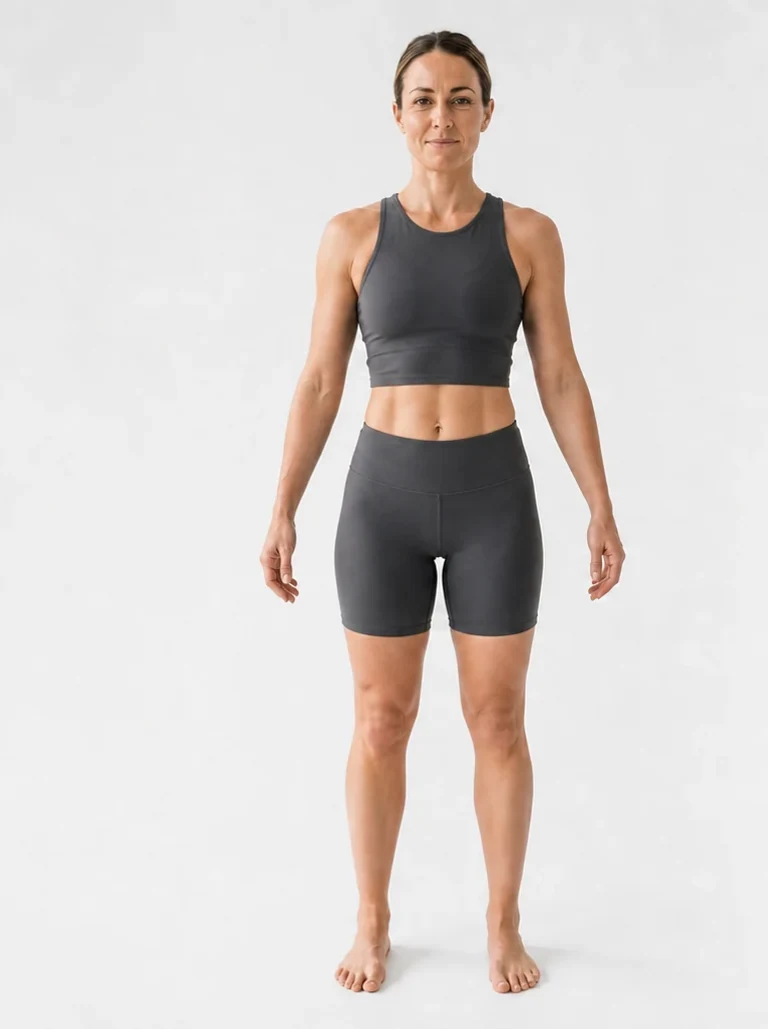
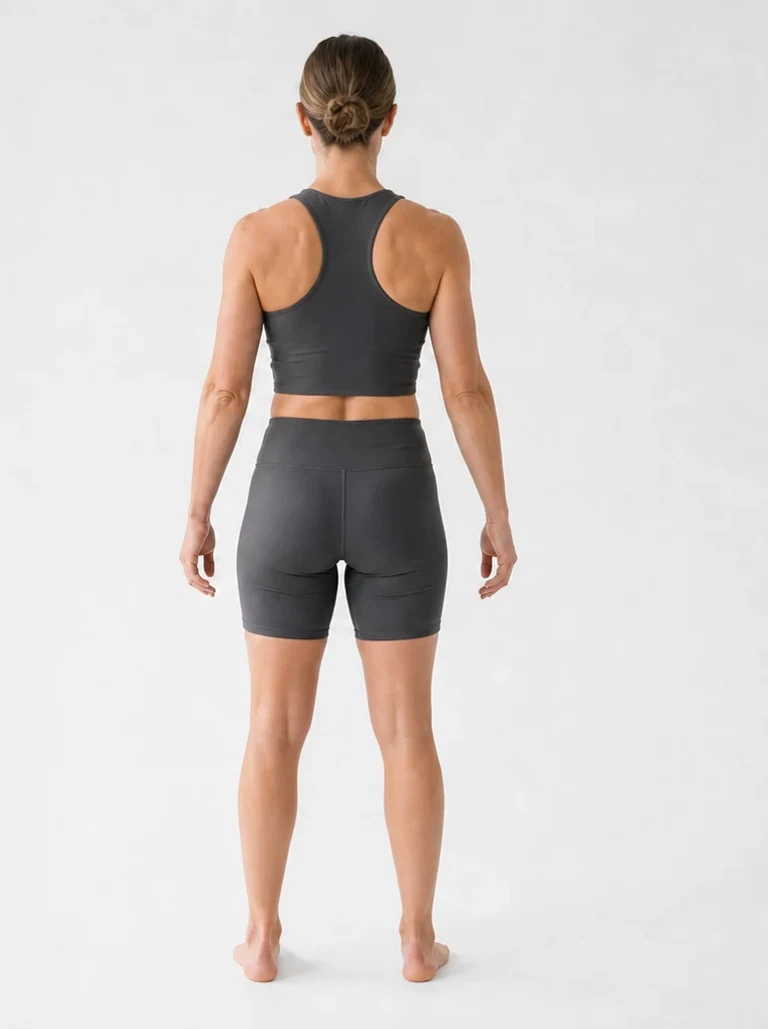
Pronounced torso and limb contours within the illustrated female sequence.
What does 19% body fat look like on a woman?
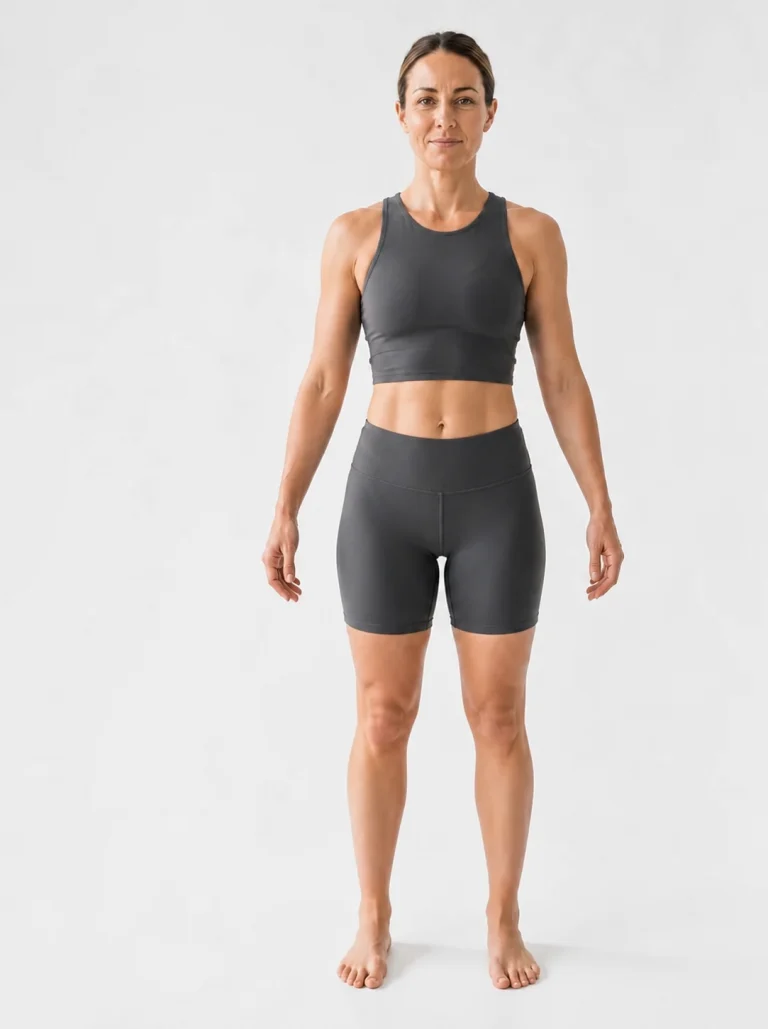
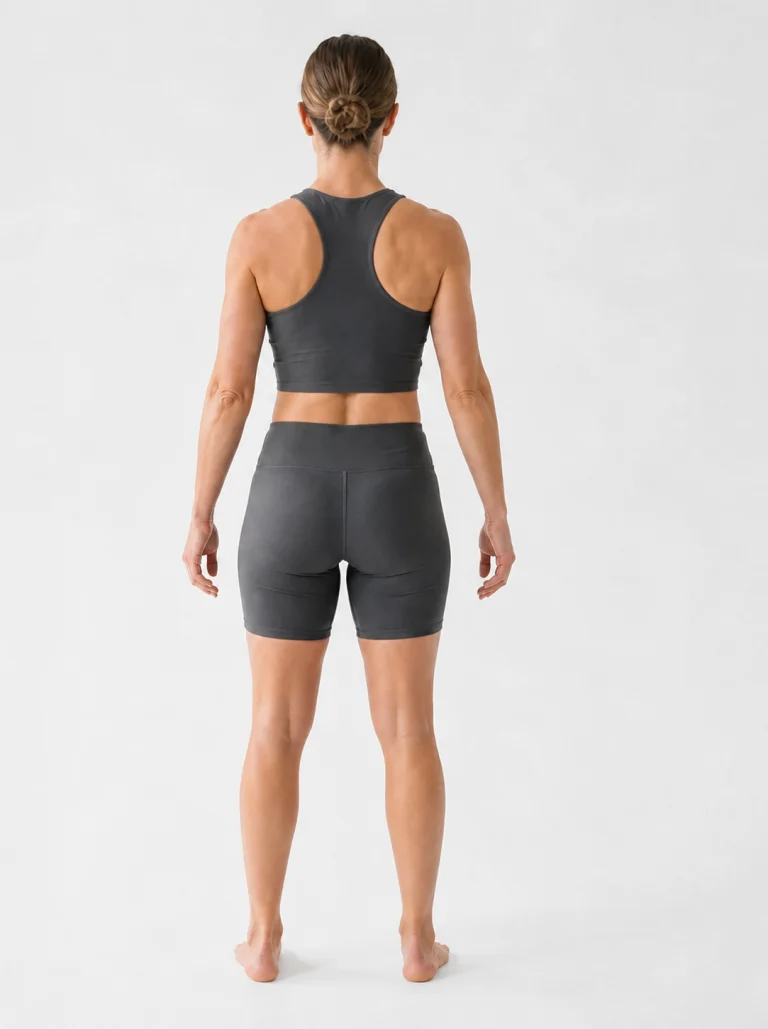
Visible muscle contours with slightly softer edges than the preceding illustration.
What does 20% body fat look like on a woman?
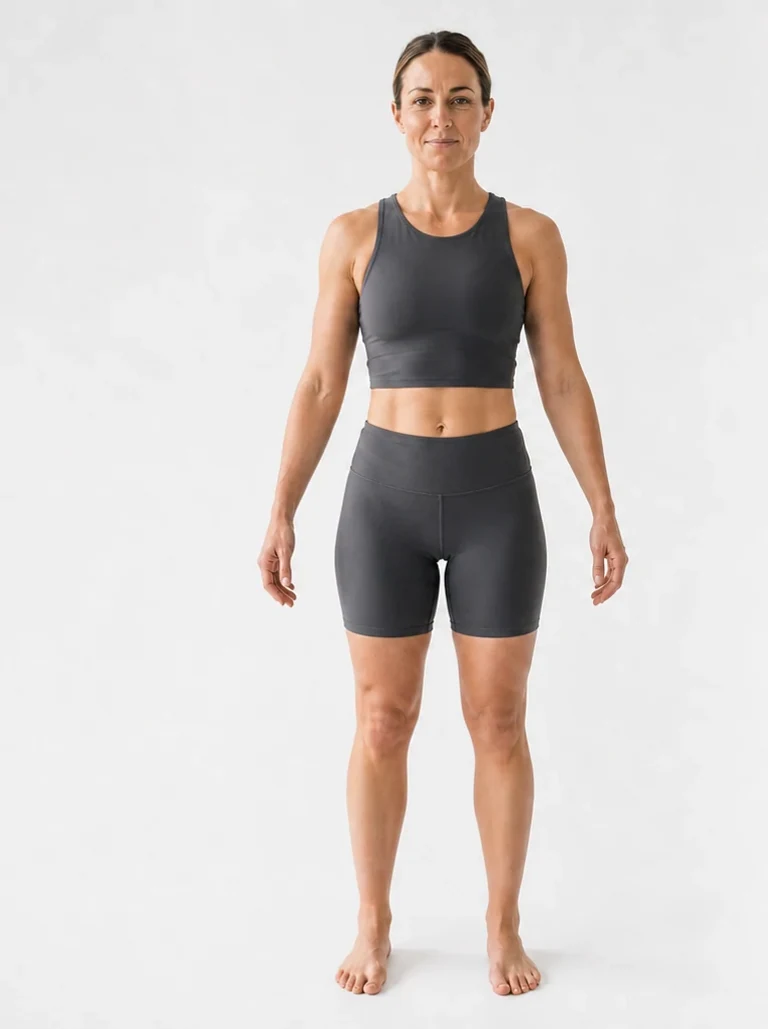
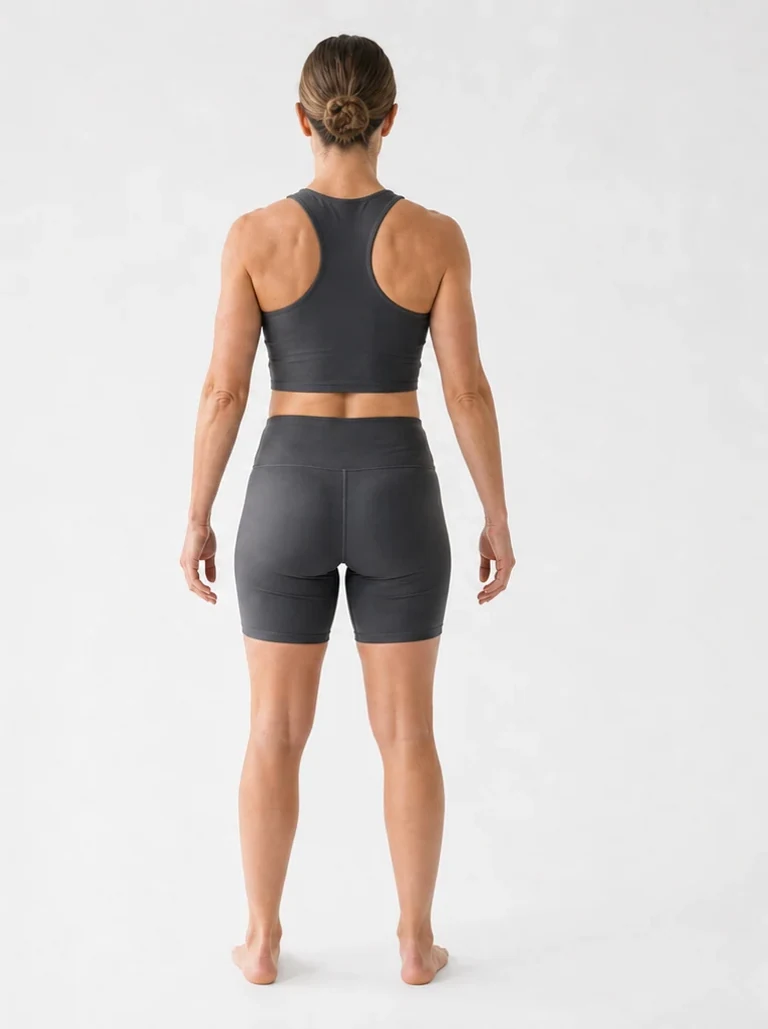
A defined torso with a relatively narrow waist.
What does 21% body fat look like on a woman?
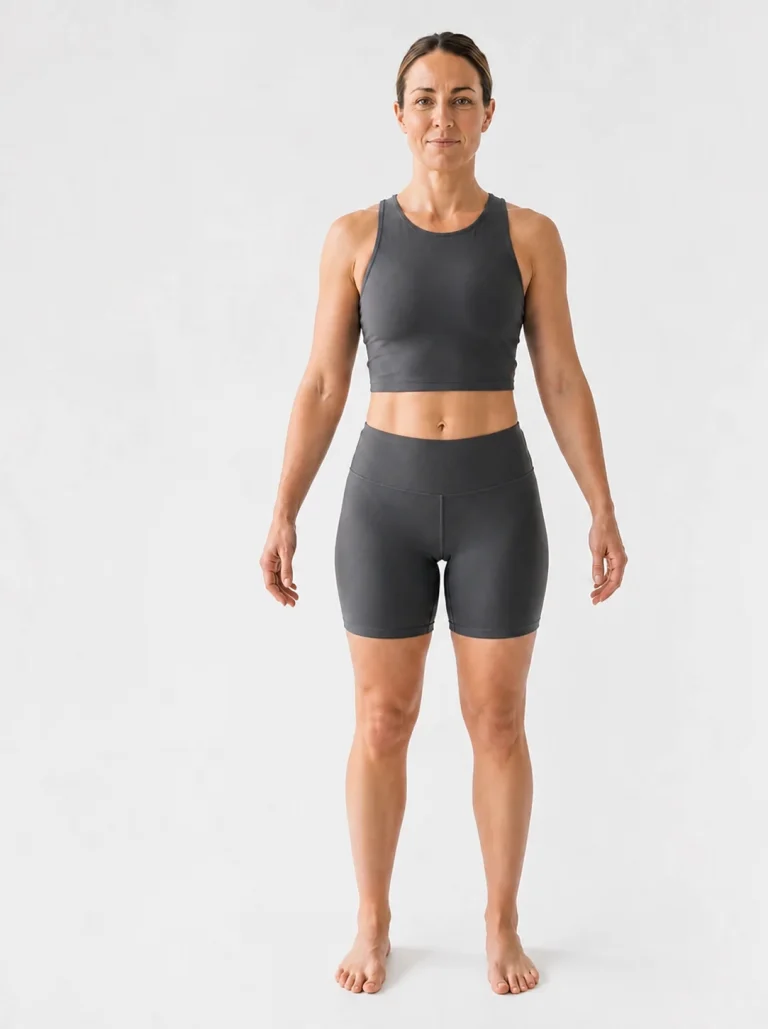
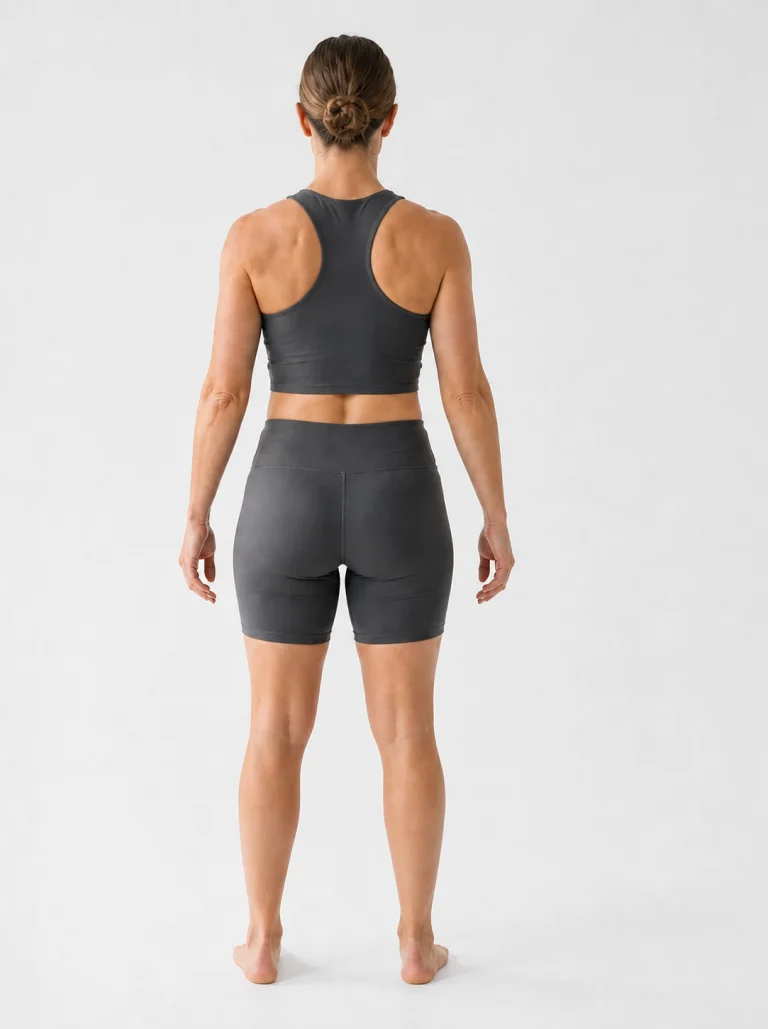
Visible body contours with some softness around the torso and hips.
What does 22% body fat look like on a woman?
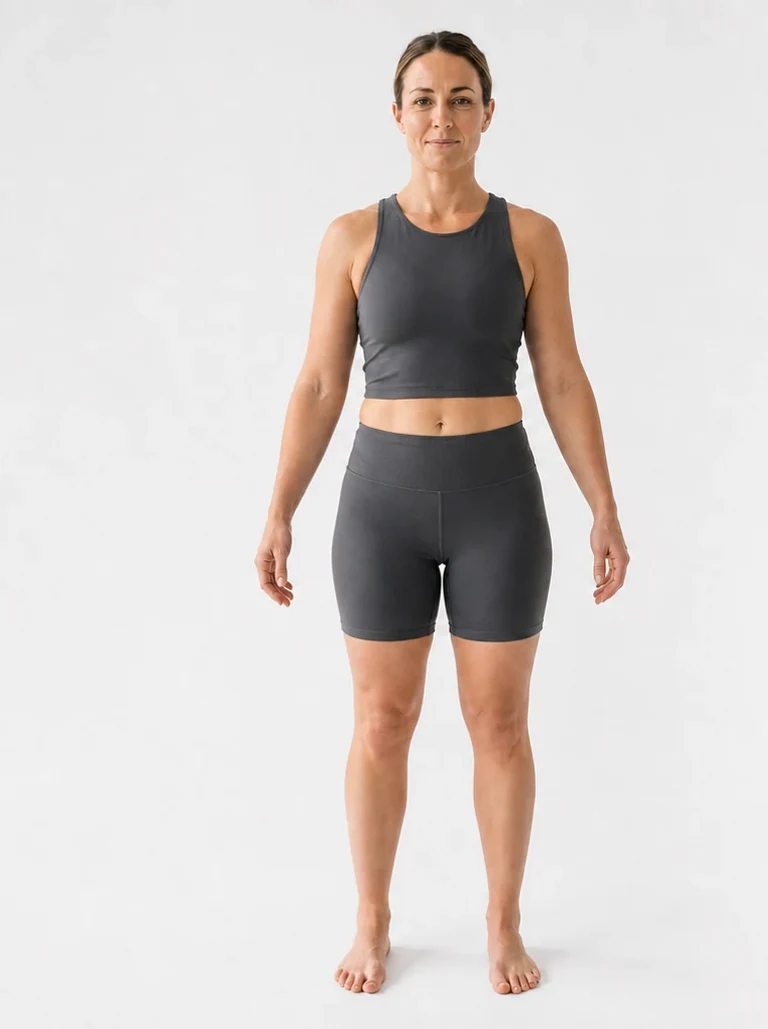
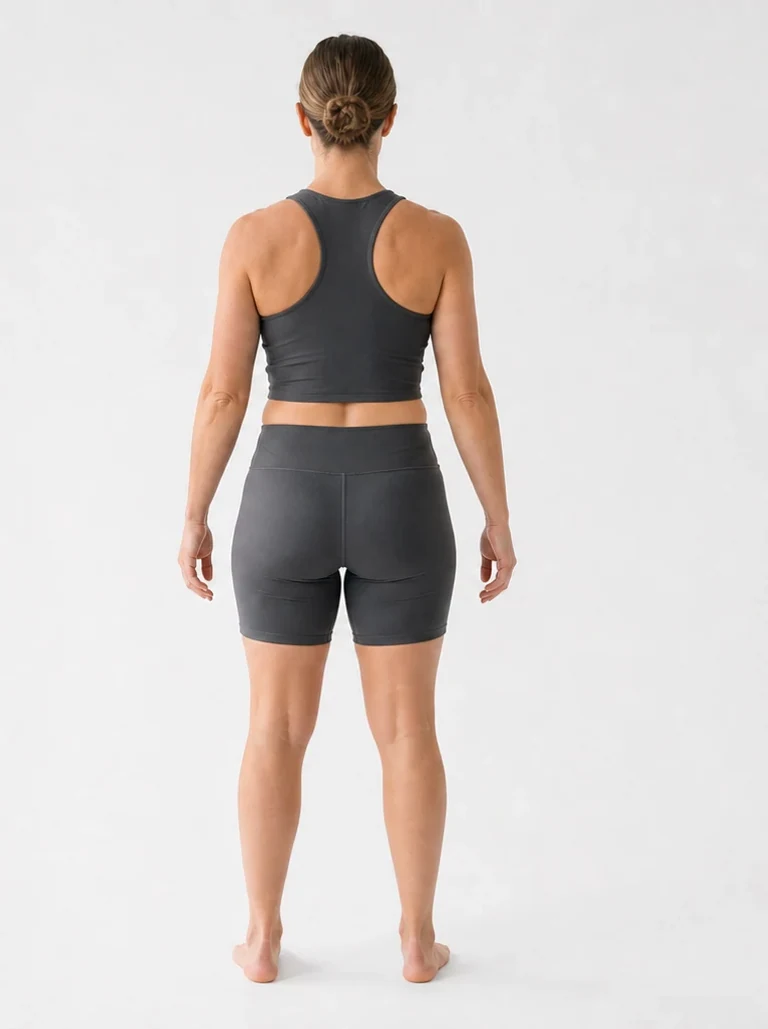
A defined overall shape with softer abdominal contours.
What does 23% body fat look like on a woman?
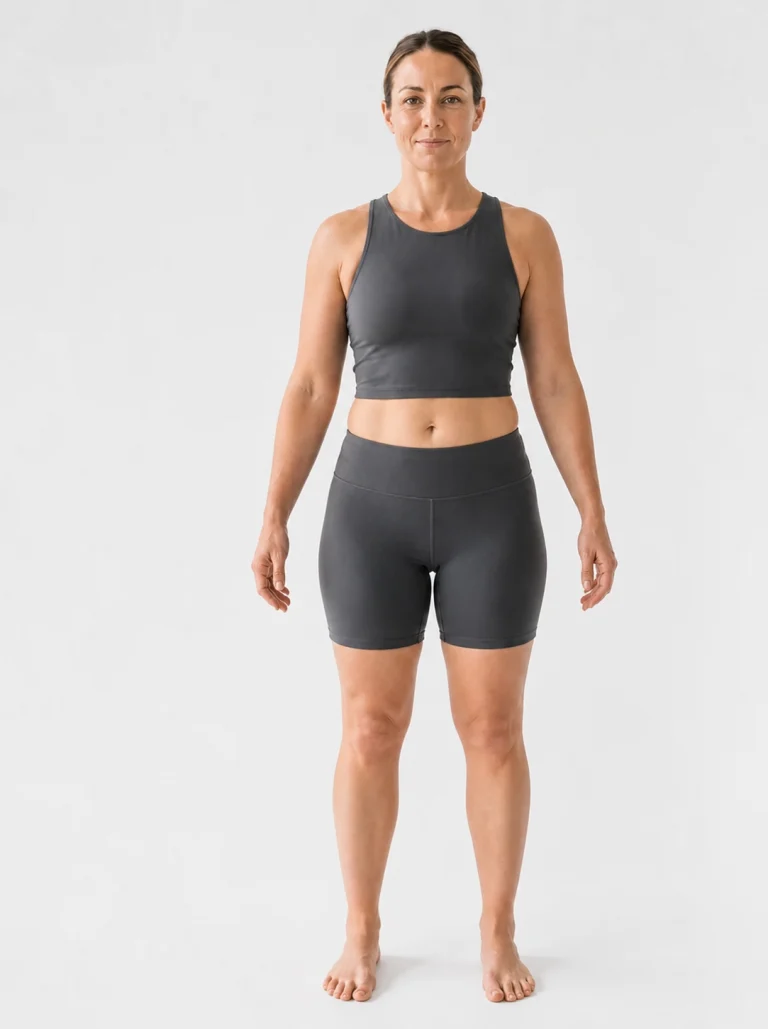
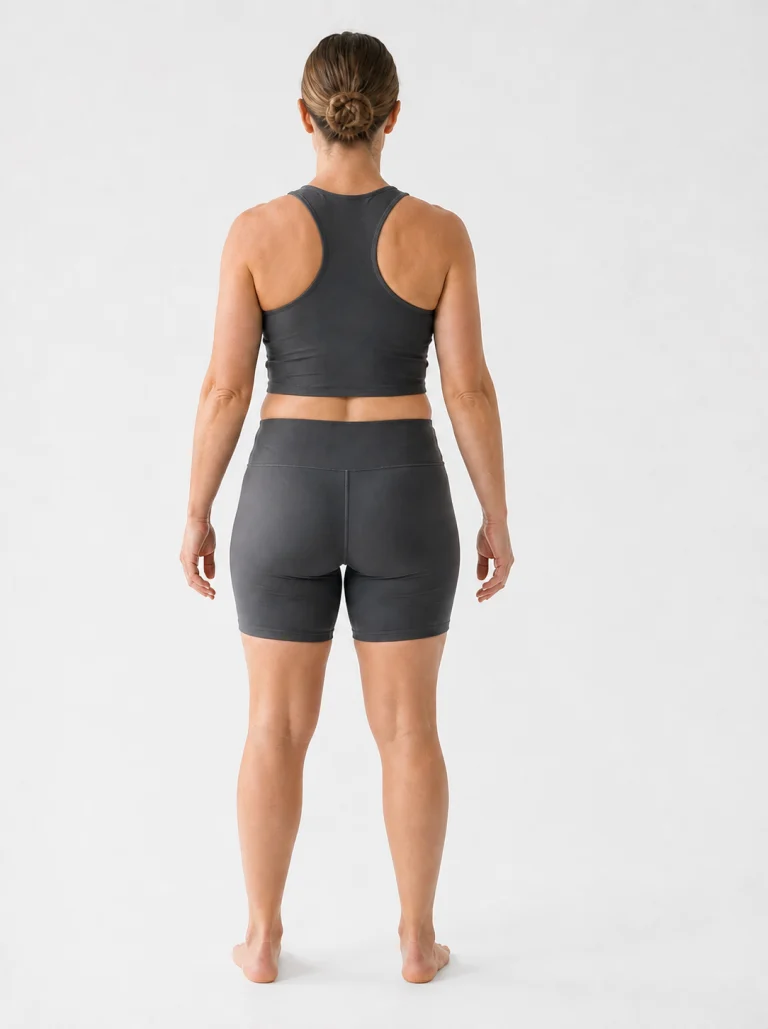
A softer torso outline while the waist remains clearly visible.
What does 25% body fat look like on a woman?
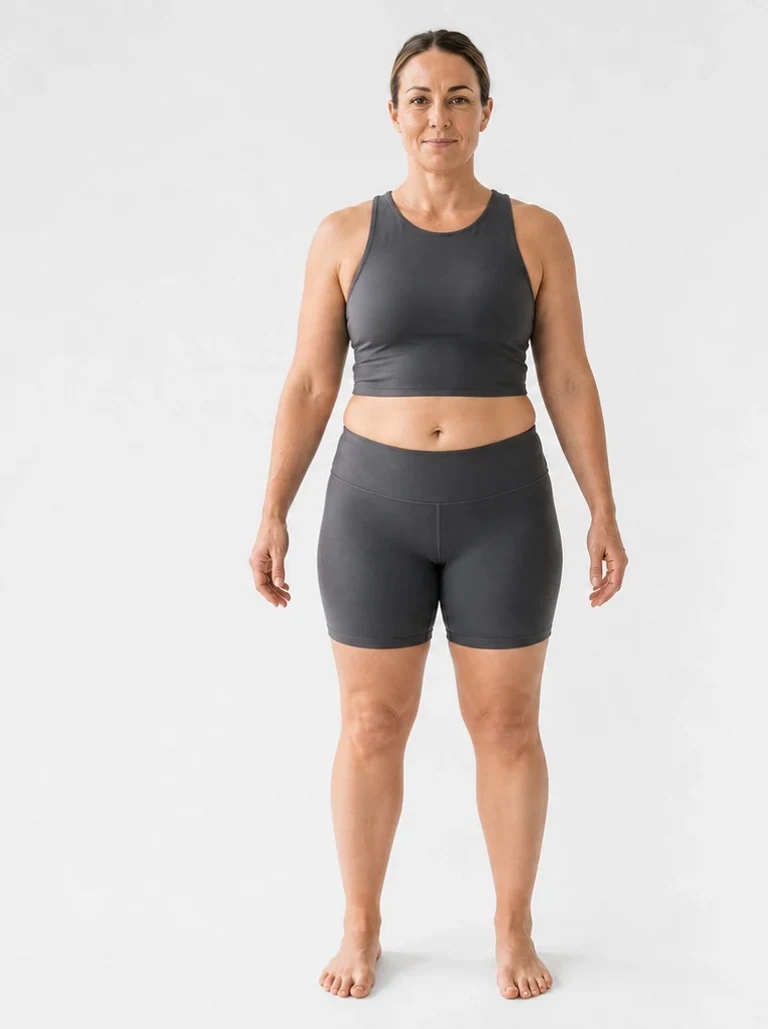
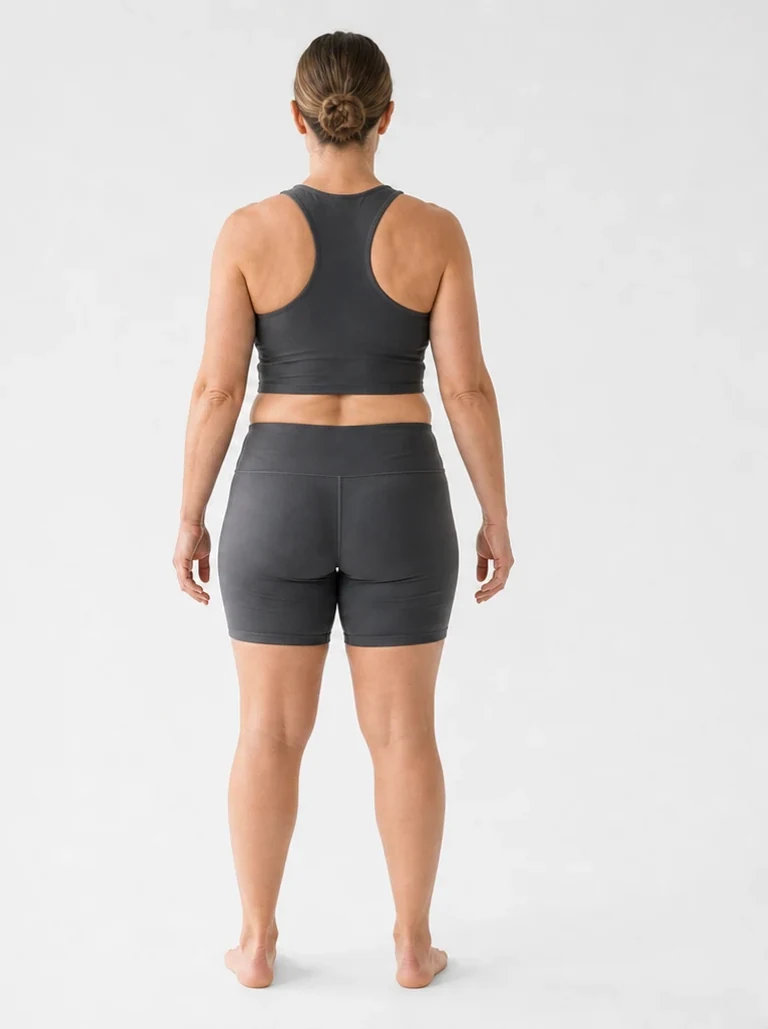
More softness around the midsection, hips and thighs within this sequence.
What does 27% body fat look like on a woman?
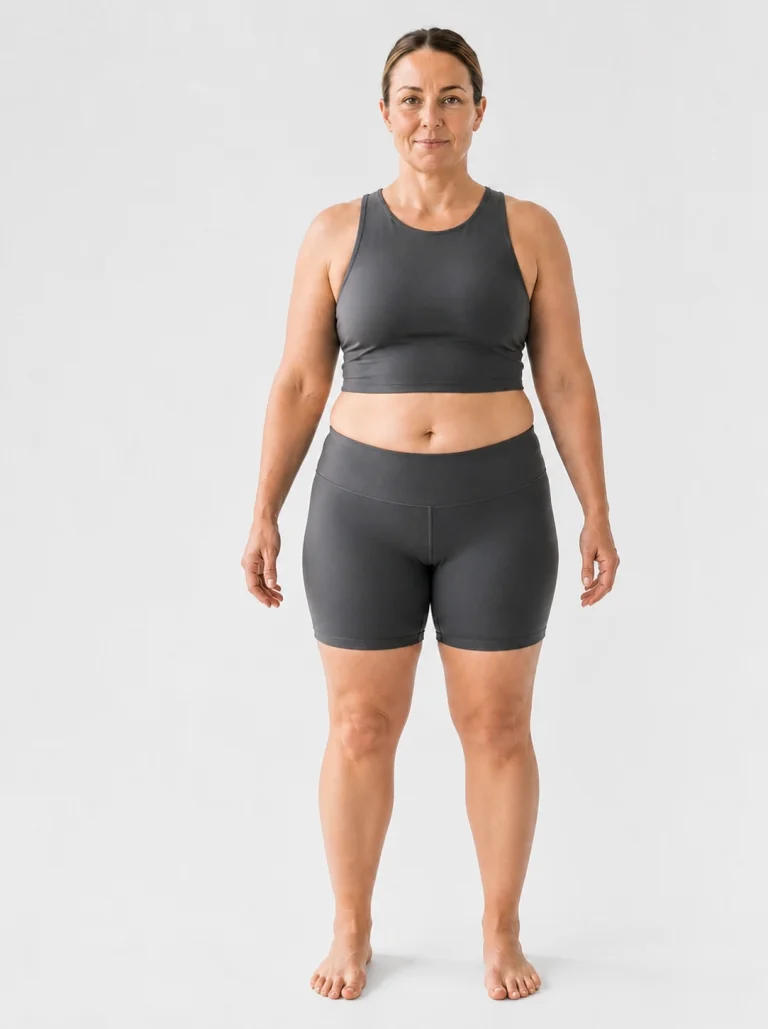
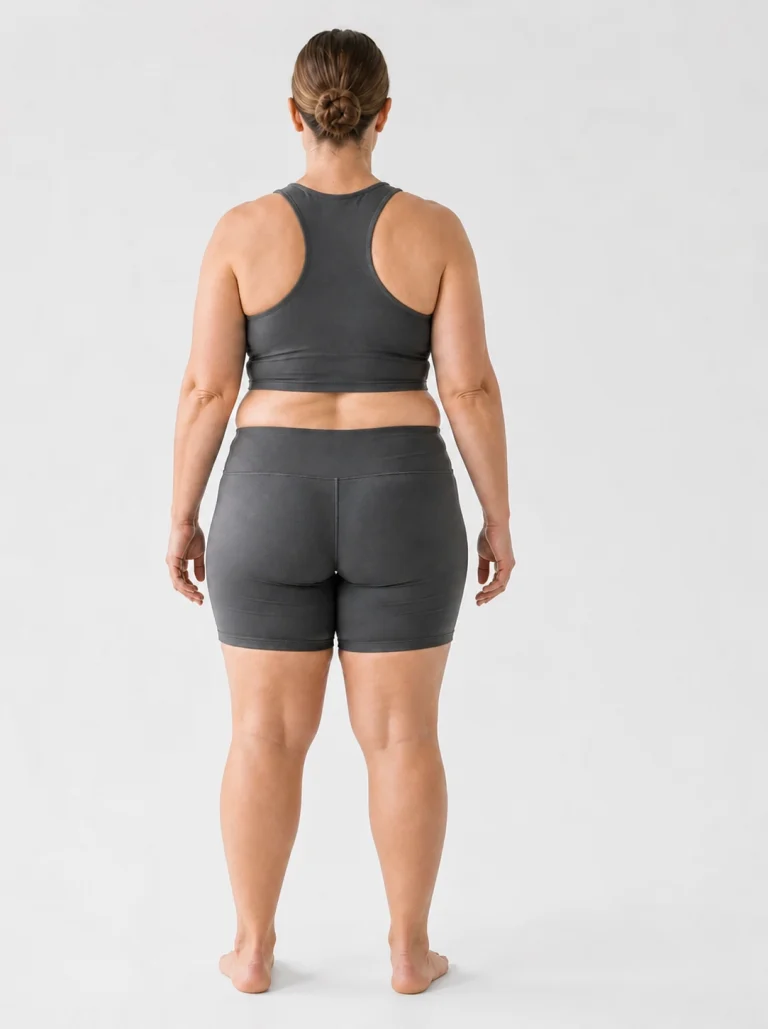
A smoother midsection and fuller hip outline.
What does 28% body fat look like on a woman?
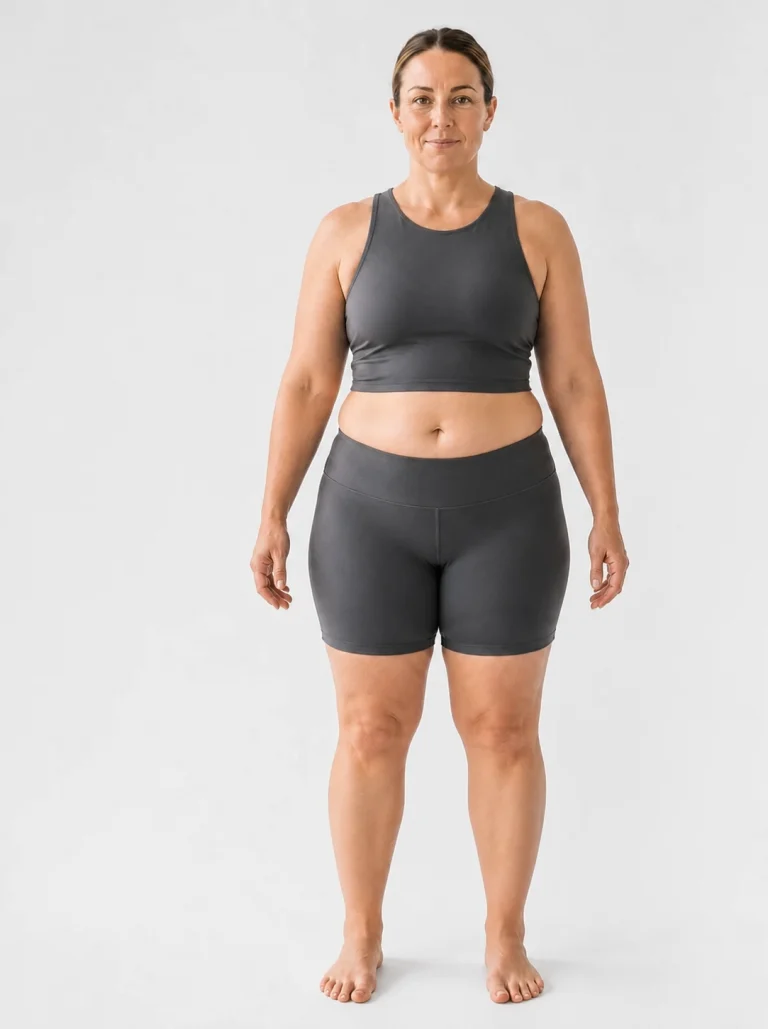
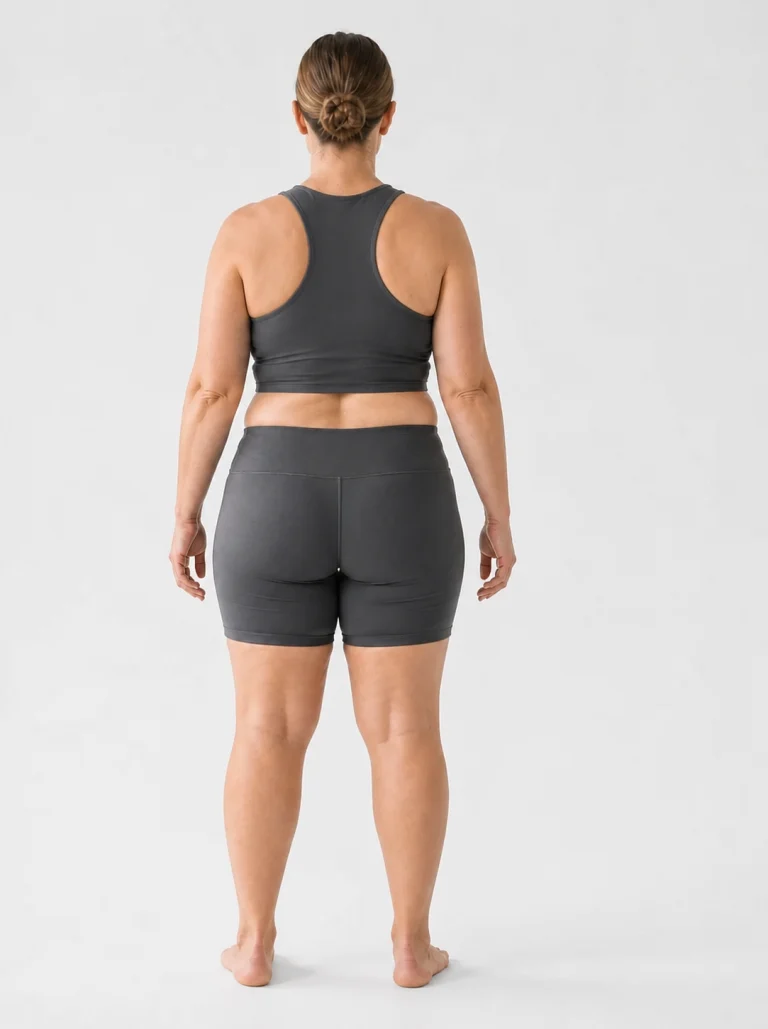
More fullness around the torso and hips than the lower-labeled examples.
What does 30% body fat look like on a woman?
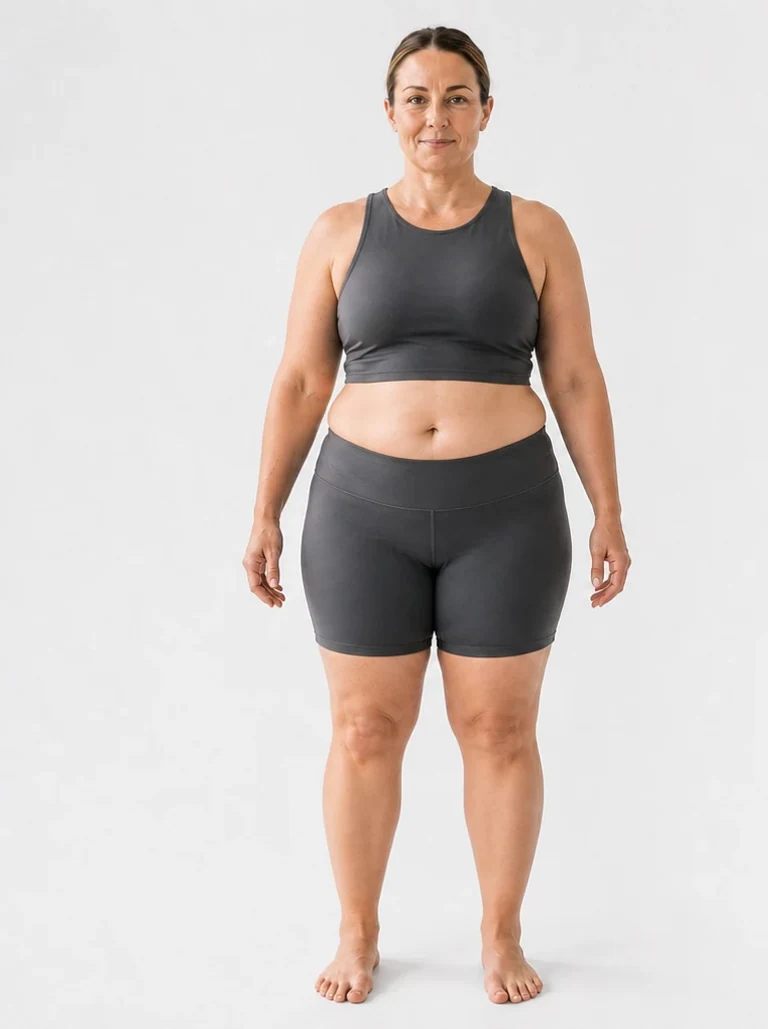
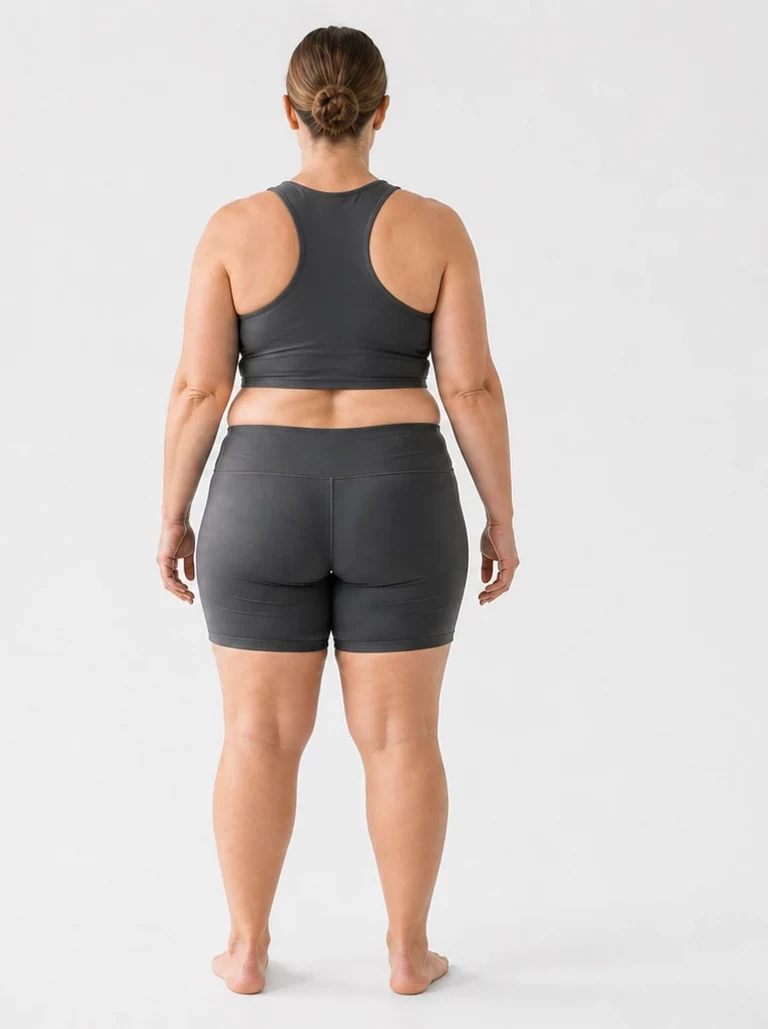
A softer outline around the torso and hips.
What does 32% body fat look like on a woman?
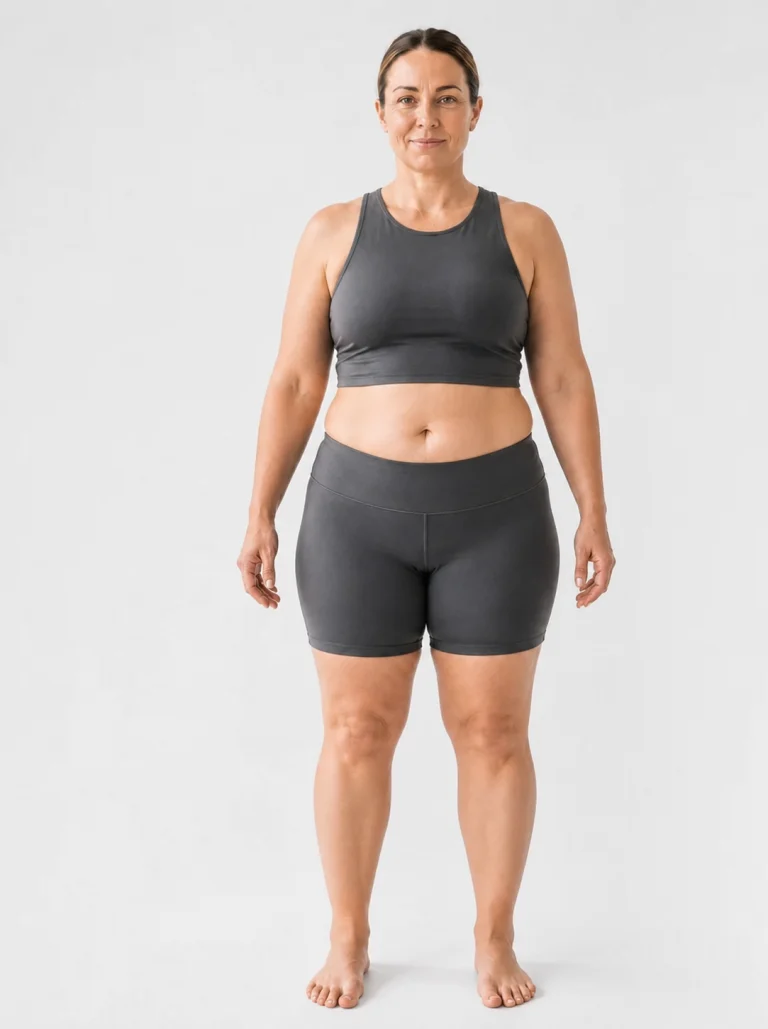
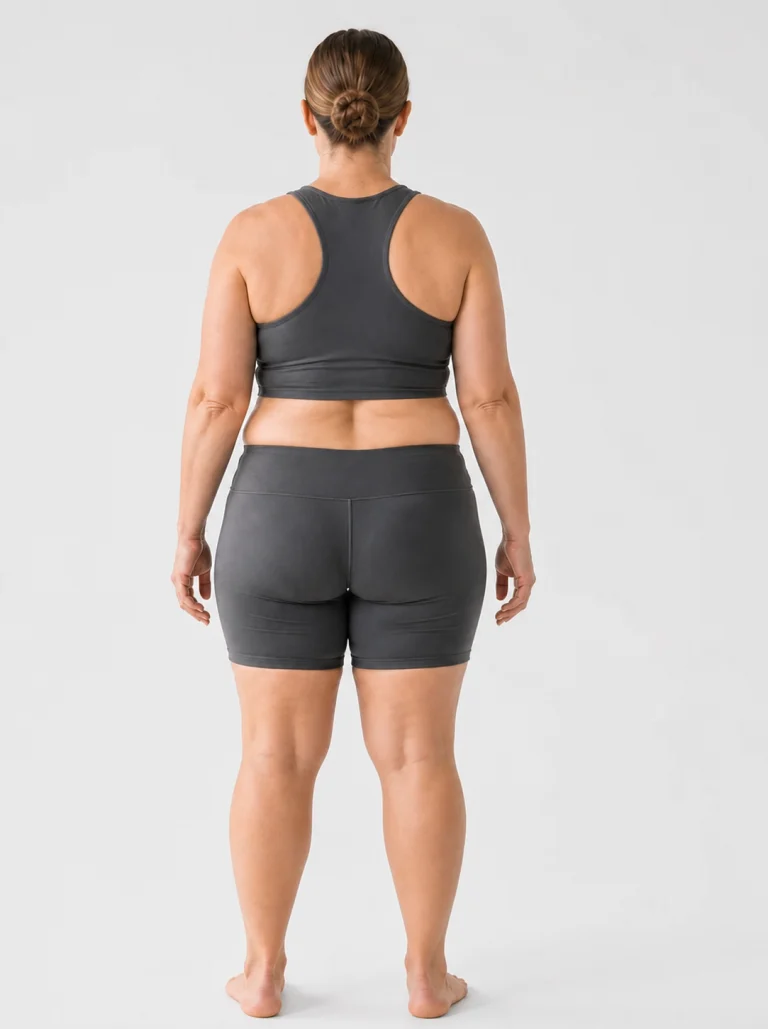
A fuller waist, hips and upper-arm outline within this illustrated set.
What does 35% body fat look like on a woman?
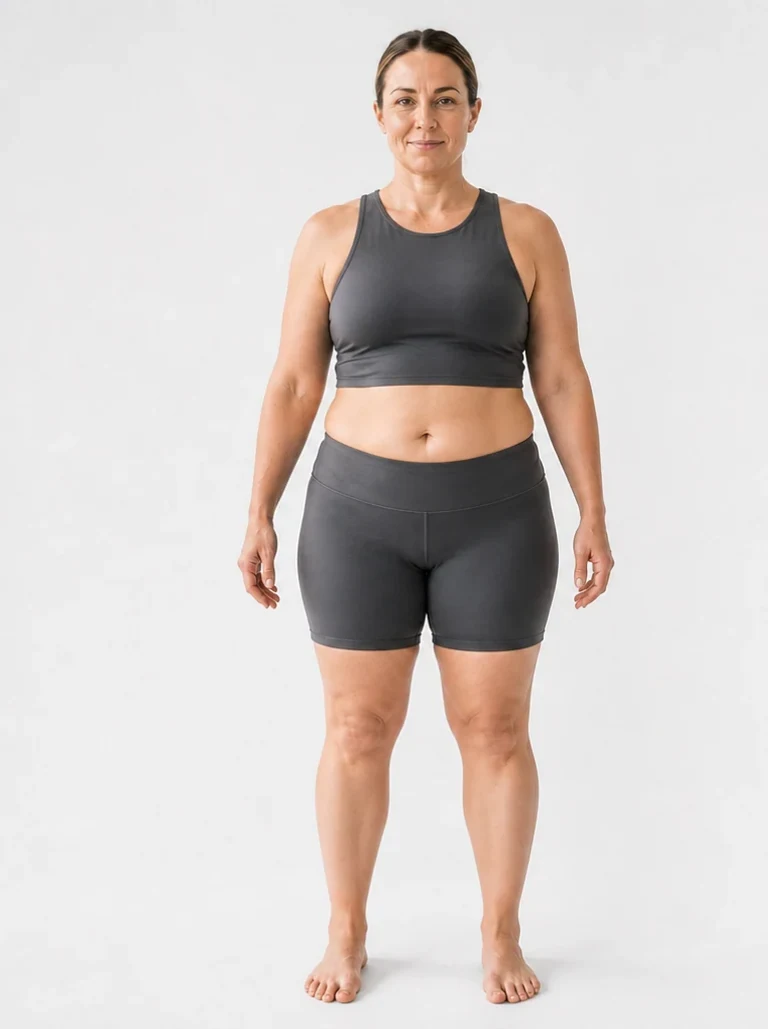
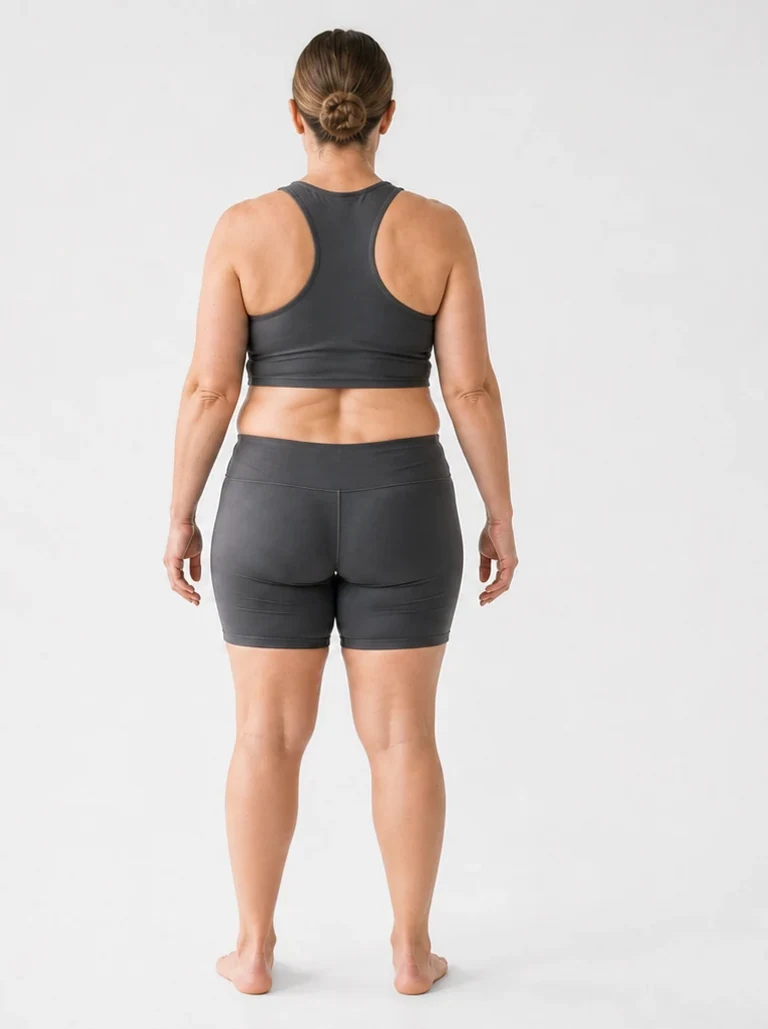
More fullness through the torso, hips and thighs.
What does 37% body fat look like on a woman?
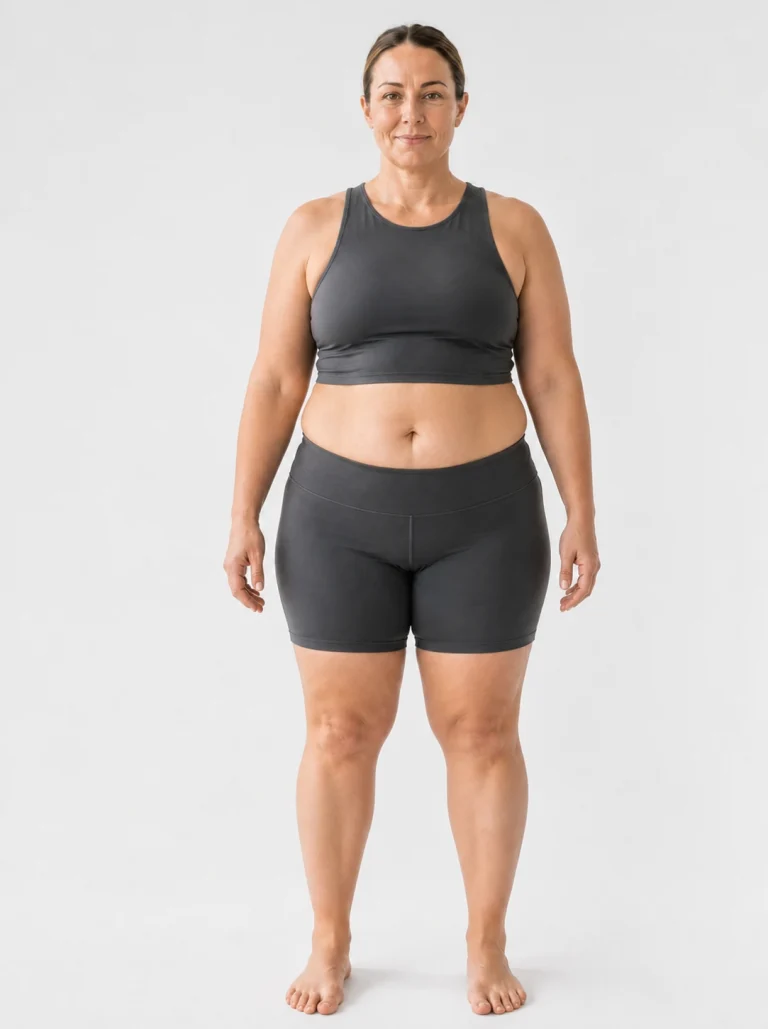
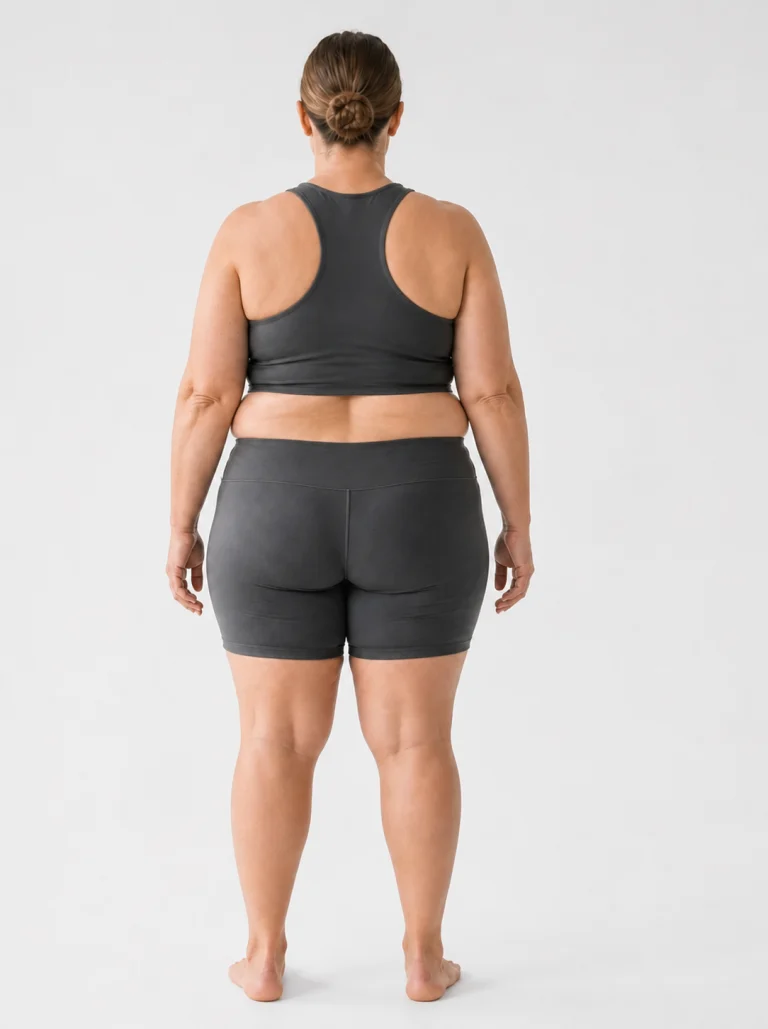
A broader, softer midsection and hip outline.
What does 40% body fat look like on a woman?
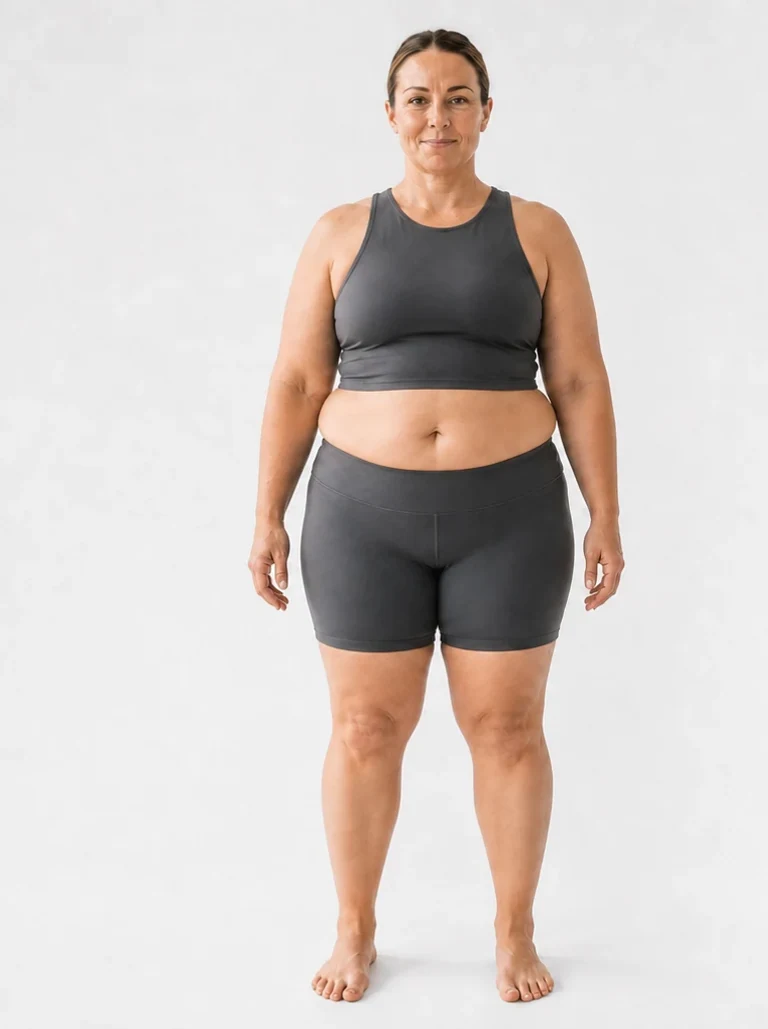
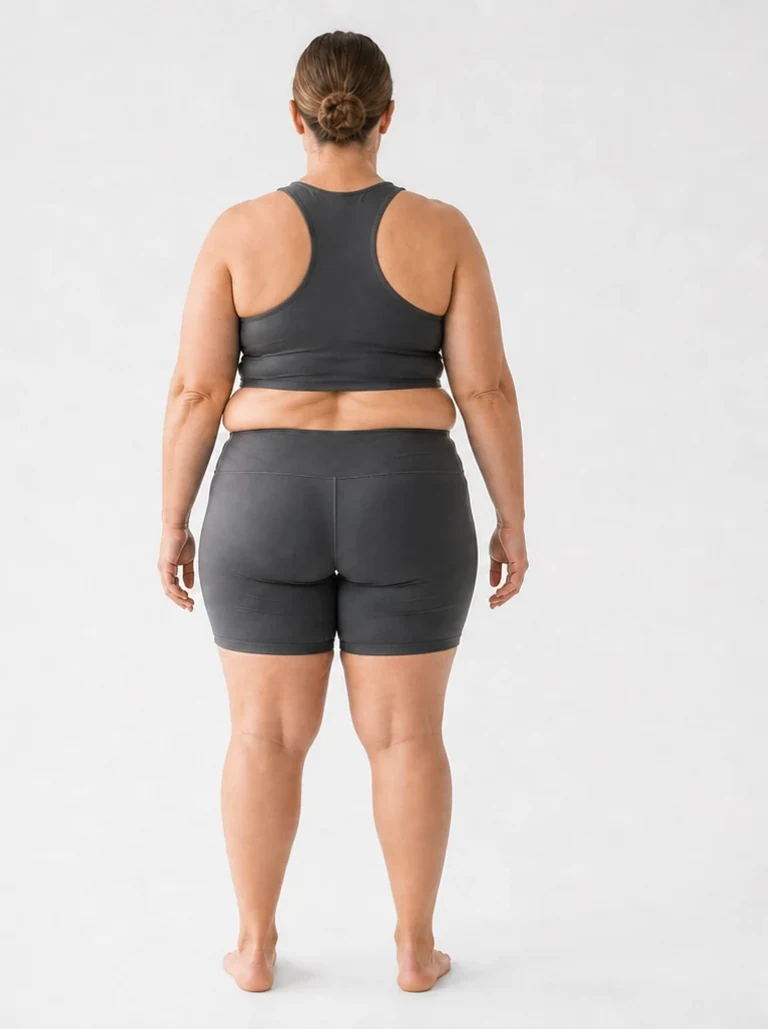
A fuller body outline than the lower-labeled female illustrations.
The gallery covers the women's scale too, including exact pages for 25% body fat on a woman and 35%, with the full set running 18 to 40 percent.
How do you measure your body fat percentage?
A visual match is an estimate. For a measurement decision, compare the specific method, device and protocol rather than assuming every tool has one universal error margin. Our DEXA-alternative guide explains the different outputs and tradeoffs.
| Method | What you get | What to keep consistent |
|---|---|---|
| DXA body-composition assessment | Tissue-compartment estimates and regional reporting | Facility, device and preparation protocol |
| BIA device or scale | An impedance-based estimate | Device and measurement conditions |
| Skinfolds or tape measurements | Site-specific thicknesses or circumferences | Assessor, landmarks and technique |
| Photos or photo AI | A visual record, optionally with model estimates | Camera, lighting, pose and interpretation |
How can you compare change over time?
Keep dates and measurement conditions with each record. Compare similar photos alongside training records, body-weight trends or repeatable circumference measurements when relevant to your goal. Agreement between several records can add context, but none makes an illustrative chart into a precise measurement.
GainFrame can organize photo check-ins and provide visual estimates. Treat those estimates as one source of information. If you need a clinical assessment, choose it with a qualified professional instead of inferring health from a photo label.
What else should you know about body-fat pictures?
Can a picture tell me my exact body-fat percentage?
No. Appearance varies with muscle size, fat distribution, posing and lighting, and this page uses generated illustrations rather than measured reference subjects. A visual comparison may suggest a broad pattern, but it cannot establish an exact percentage. Use a defined measurement method when you need more than an illustrative comparison.
Are these photos of people with measured body fat?
No. The images are standardized AI illustrations with nominal percentage labels. They were created to show a progression in appearance, not to document a laboratory measurement of a person. Keep that distinction in mind when comparing the front and back views or using the interactive visualizer.
What does 15% body fat look like on a man?
The illustration labeled 15% shows visible muscle contours with some softness around the torso. A real person with that measured percentage may look different because of muscle size, fat distribution and photo conditions. The illustration is a visual reference, not a diagnostic test or a promise of a particular appearance.
What does 30% body fat look like on a woman?
The illustration labeled 30% shows a softer outline around the torso and hips than lower-labeled examples in this atlas. That is an artistic comparison within the generated set. It does not establish the appearance or health status of every woman with a measured body-fat percentage of 30%.
What body-fat percentage should I aim for?
A suitable target depends on your circumstances, goals and health context. This illustrative chart does not prescribe one. Avoid choosing a target solely because you prefer a rendered image. If body composition affects a medical or sports-performance decision, discuss an appropriate assessment and goal with a qualified professional.